
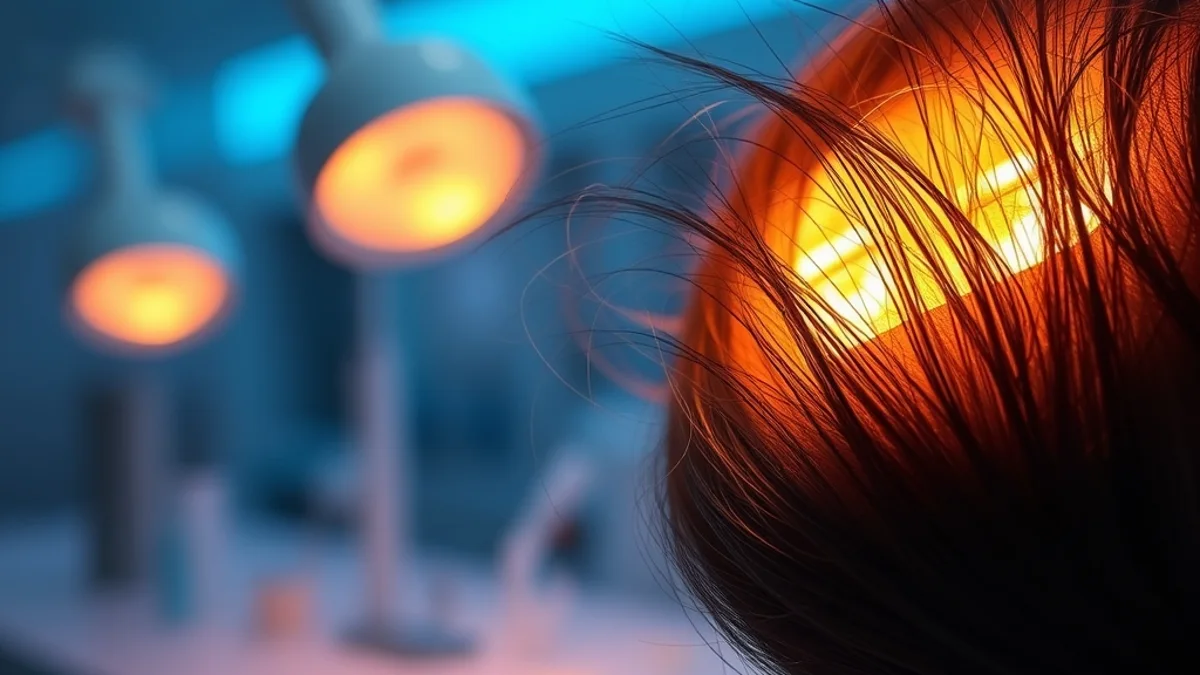
The increasing prevalence of poor air quality, marked by high Air Quality Index (AQI) levels, poses significant threats to skin and hair health. Pollutants such as particulate matter, heavy metals, and volatile organic compounds can lead to oxidative stress, inflammation, and cellular damage, resulting in compromised dermal and follicular integrity. Understanding these mechanisms is crucial for developing effective protective strategies.
## The Impact of Airborne Pollutants on Cutaneous and Follicular Health
Airborne pollutants, particularly particulate matter (PM), have been shown to penetrate the skin barrier, leading to various dermatological issues. Studies indicate that PM can induce inflammatory responses, activating pathways that result in the production of reactive oxygen species (ROS). This oxidative stress can damage cellular components, including lipids, proteins, and DNA, contributing to premature aging, dermatitis, and hair loss. Additionally, heavy metals such as lead and cadmium have been implicated in disrupting cellular signaling pathways, further exacerbating skin and hair conditions.
## Mechanisms of Oxidative Stress and Inflammation in Hair Follicles
The hair follicle is particularly susceptible to oxidative damage due to its high metabolic activity and the presence of stem cells. When exposed to pollutants, the follicular microenvironment becomes inflamed, leading to the activation of pro-inflammatory cytokines. This cascade can result in telogen effluvium, a condition characterized by increased shedding of hair. Furthermore, the disruption of the follicular stem cell niche can impair hair regeneration, leading to thinning and loss. Understanding these mechanisms underscores the importance of protective measures against pollution.
## Advanced Protective Strategies: Photobiomodulation and Bioactive Compounds
Emerging therapies such as photobiomodulation (PBM) have shown promise in mitigating the effects of oxidative stress on skin and hair. PBM utilizes specific wavelengths of light to stimulate mitochondrial activity, enhancing ATP production and promoting cellular repair. This non-invasive technique has been demonstrated to reduce inflammation and improve hair density in clinical settings. Additionally, bioactive compounds like antioxidants, peptides, and growth factors can be incorporated into topical formulations to bolster the skin and scalp’s defense against environmental aggressors. These innovations represent a significant leap in clinical trichology, offering patients cutting-edge solutions for maintaining hair and skin health.
## Patient-Centric Approaches: Tailoring Treatments for Optimal Outcomes
When considering protective strategies against pollution, patient selection is paramount. Factors such as skin type, hair density, and individual susceptibility to environmental stressors must be evaluated. A comprehensive assessment can guide the selection of appropriate interventions, whether they involve topical antioxidants, PBM therapy, or a combination of both. Furthermore, educating patients on lifestyle modifications—such as wearing protective headgear and implementing rigorous cleansing routines—can enhance the efficacy of clinical treatments.
## Comparative Analysis of Treatment Efficacy: Photobiomodulation vs. Topical Antioxidants
In a comparative analysis of treatment efficacy, studies have shown that PBM therapy may offer superior benefits over traditional topical antioxidants in terms of hair regrowth and scalp health. While topical antioxidants can provide localized protection, PBM’s systemic effects on cellular metabolism and inflammation present a more holistic approach to combating pollution-induced damage. Clinical trials indicate that patients receiving PBM therapy exhibit significant improvements in hair density and scalp condition compared to those relying solely on topical treatments. This evidence supports the integration of advanced therapies into standard trichological practice.
In conclusion, the adverse effects of pollution on skin and hair health are profound and multifaceted. As the field of trichology continues to evolve, embracing innovative treatments such as photobiomodulation and bioactive compounds will be essential in safeguarding patients against environmental damage.
To stay informed on modern bond repair chemistry, peptide innovations, and clinical trichological research, continue reading our Clinical Hair Science section below.