
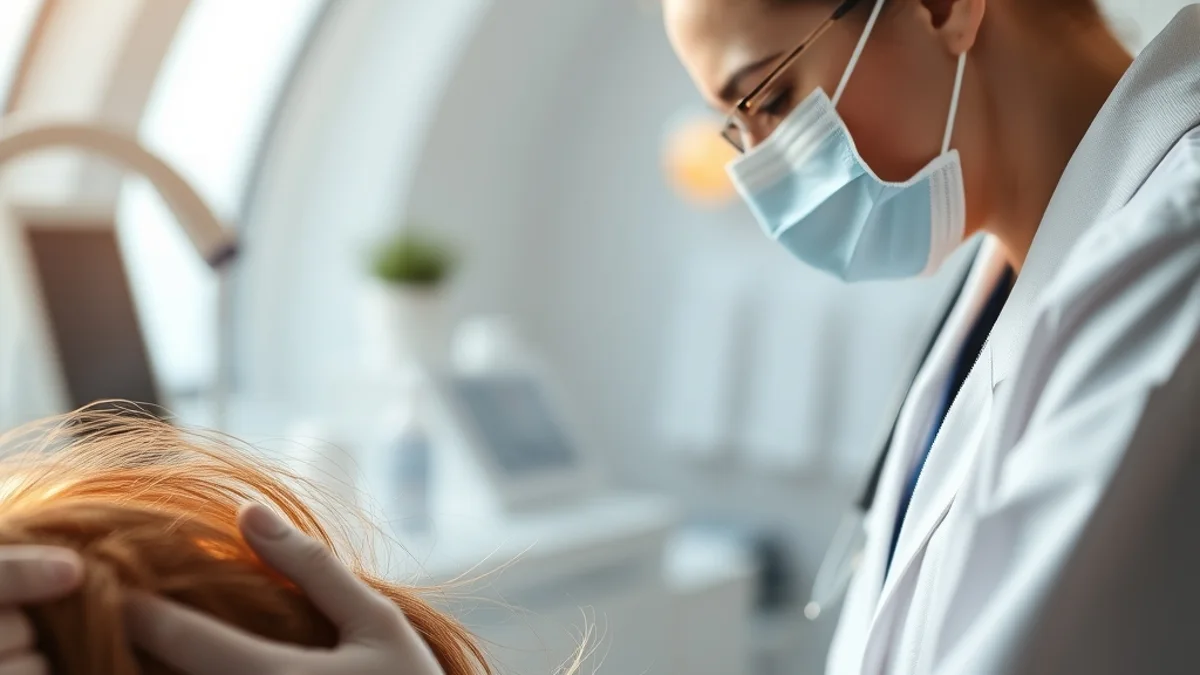
The relationship between creatine supplementation and hair loss has garnered significant attention, particularly among athletes and fitness enthusiasts concerned about the potential systemic effects of this popular ergogenic aid. While creatine is primarily recognized for its role in enhancing athletic performance, its potential influence on hair health, particularly through hormonal pathways, warrants a closer examination.
## The Hormonal Nexus: Dihydrotestosterone (DHT) and Hair Follicle Sensitivity
Creatine’s purported link to hair loss primarily revolves around its potential to influence dihydrotestosterone (DHT) levels. DHT, a potent androgen derived from testosterone, is known to play a critical role in androgenetic alopecia (AGA), the most common form of hair loss in both men and women. Research suggests that increased levels of DHT can exacerbate hair follicle miniaturization, leading to thinning hair and eventual loss.
While some studies indicate that creatine supplementation may elevate DHT levels, the evidence remains inconclusive. A pivotal study conducted on male rugby players demonstrated a significant increase in DHT following creatine loading; however, the long-term implications of this elevation on hair loss were not directly assessed. It is essential to recognize that individual responses to creatine can vary widely, influenced by genetic predisposition to AGA and baseline hormone levels. Therefore, while there is a theoretical basis for concern, the direct causative link between creatine and hair loss remains to be firmly established.
## Serum Ferritin Thresholds and Follicular Cycling
Ferritin, the primary storage form of iron in the body, plays a crucial role in maintaining healthy hair follicles. Low serum ferritin levels have been associated with telogen effluvium and AGA, as iron is vital for cellular metabolism and the proliferation of keratinocytes in hair follicles.
Creatine supplementation does not directly affect ferritin levels; however, athletes engaged in high-intensity training may experience fluctuations in iron status due to increased physical demands and dietary inadequacies. A comprehensive evaluation of iron levels, including serum ferritin, is essential for individuals experiencing hair thinning, especially if they are also using creatine. Maintaining optimal ferritin levels (typically above 70 ng/mL) can support healthy hair cycling and mitigate the risk of hair loss.
## Thyroid Hormones (T3/T4) and Anagen Phase Regulation
Thyroid hormones, particularly triiodothyronine (T3) and thyroxine (T4), are critical regulators of the hair growth cycle. These hormones influence the anagen (growth) phase of hair follicles, and imbalances can lead to hair thinning or loss.
While there is no direct evidence linking creatine supplementation to thyroid hormone levels, the stress of intense training and the potential for overtraining can disrupt the hypothalamic-pituitary-thyroid (HPT) axis, leading to suboptimal thyroid function. Individuals who engage in strenuous exercise and utilize creatine should monitor their thyroid function, as hypothyroidism can exacerbate hair loss. Regular screening for thyroid hormone levels can help identify any underlying issues that may contribute to hair thinning.
## Evidence-Based Supplementation vs. Biotin Myths
Biotin, a water-soluble B-vitamin, is often touted as a miracle supplement for hair growth. While biotin deficiency can lead to hair loss, the majority of individuals obtain sufficient biotin through a balanced diet. The misconception that high-dose biotin can universally enhance hair health persists, yet scientific evidence supporting this claim is limited.
In contrast, creatine’s role in hair health is less understood. While it does not directly contribute to hair follicle health, its ability to enhance physical performance may indirectly support overall well-being, including hair health. For individuals concerned about hair loss, focusing on evidence-based supplementation—such as omega-3 fatty acids, zinc, and vitamin D—may yield more significant benefits than relying solely on biotin or creatine.
## Dietary Protein Density and Keratin Synthesis
Dietary protein intake is fundamental for hair health, as keratin, the primary structural protein in hair, is synthesized from amino acids derived from dietary proteins. Creatine, being an amino acid derivative, may contribute to muscle protein synthesis, but its direct impact on keratin production is less clear.
Athletes and individuals engaging in regular resistance training often require higher protein intake to support muscle recovery and growth. Ensuring adequate protein density in the diet can promote optimal hair health by providing the necessary building blocks for keratin synthesis. A diet rich in high-quality proteins—such as lean meats, fish, eggs, legumes, and dairy—can support both muscle and hair health, potentially mitigating any concerns regarding creatine supplementation.
In conclusion, while the potential relationship between creatine supplementation and hair loss is a topic of interest, current evidence does not support a definitive causative link. Individual responses to creatine can vary based on genetic predisposition, hormonal status, and overall nutritional health. A holistic approach, focusing on hormonal balance, micronutrient optimization, and dietary adequacy, is essential for maintaining hair health.
For targeted nutritional plans, ferritin optimization, and hormone-related shedding insights, continue exploring our Hair Nutrition & Hormones section below.