
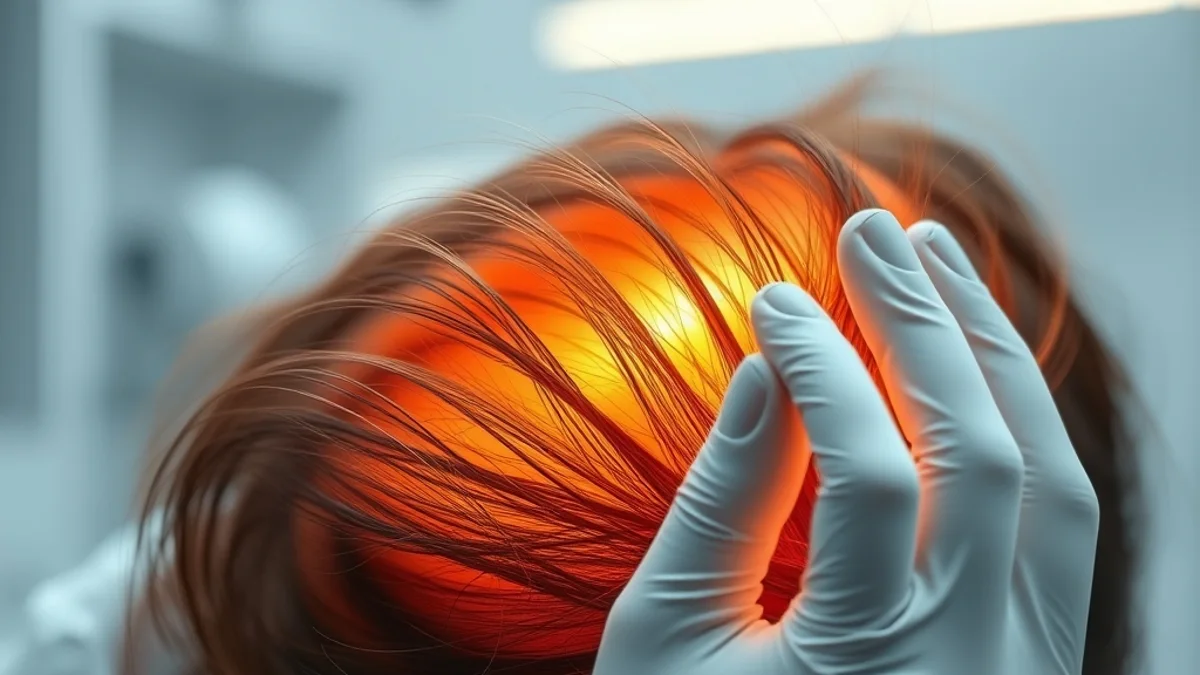
Thinning hair is a multifactorial condition often rooted in hormonal imbalances and nutritional deficiencies. Understanding the interplay between endocrine function and micronutrient status is crucial for addressing hair health effectively. Below, we explore ten essential vitamins and minerals that support hair growth and strength, emphasizing their biochemical roles and clinical evidence.
Serum Ferritin Thresholds and Follicular Cycling
Ferritin, the primary storage form of iron, plays a pivotal role in hair follicle cycling. Low serum ferritin levels are associated with telogen effluvium, a condition characterized by increased hair shedding. Clinical studies indicate that ferritin levels below 70 ng/mL may disrupt the anagen (growth) phase of hair follicles, leading to thinning. Iron is crucial for oxygen transport and cellular metabolism, both of which are vital for robust hair growth. Supplementation with iron, particularly in individuals with low ferritin levels, has shown promising results in restoring hair density and promoting follicular health. Regular monitoring of ferritin levels is essential for those experiencing hair thinning, as it provides insight into potential underlying deficiencies.
Thyroid Hormones (T3/T4) and Anagen Phase Regulation
The thyroid gland produces hormones that are integral to metabolic processes, including hair growth. Triiodothyronine (T3) and thyroxine (T4) are critical for maintaining the anagen phase of hair follicles. Hypothyroidism, characterized by insufficient levels of these hormones, can lead to hair thinning and loss. Evidence suggests that restoring thyroid hormone levels through appropriate medical intervention can significantly improve hair density. Additionally, monitoring thyroid-stimulating hormone (TSH) levels is crucial, as elevated TSH can indicate an underactive thyroid, further impacting hair health. Individuals experiencing hair thinning should consult with healthcare providers to evaluate thyroid function comprehensively.
Evidence-Based Supplementation vs. Biotin Myths
Biotin, a water-soluble B vitamin, is often touted as a miracle supplement for hair growth. However, clinical evidence supporting its efficacy in individuals without biotin deficiency is limited. While biotin is essential for keratin synthesis, its supplementation should be approached with caution, as excessive intake may not yield additional benefits. Instead, a balanced intake of B vitamins, including B6 and B12, is crucial for overall hair health. These vitamins support cellular metabolism and the production of red blood cells, which are vital for delivering nutrients to hair follicles. A comprehensive evaluation of micronutrient status, rather than reliance on a single supplement, is recommended for those seeking to enhance hair growth.
Dietary Protein Density and Keratin Synthesis
Keratin, the primary structural protein in hair, is synthesized from amino acids derived from dietary protein. Insufficient protein intake can lead to hair thinning, as the body prioritizes essential functions over hair growth. A diet rich in high-quality proteins, such as lean meats, fish, eggs, and legumes, is essential for providing the necessary building blocks for keratin production. Additionally, specific amino acids, such as cysteine and methionine, play critical roles in hair structure and strength. Clinical studies have demonstrated that increasing dietary protein intake can lead to improved hair density and reduced shedding. Therefore, individuals experiencing hair thinning should assess their dietary protein sources and consider incorporating a variety of protein-rich foods into their meals.
Zinc and Its Role in Hair Follicle Health
Zinc is a trace mineral that is vital for numerous biological processes, including hair follicle health. It plays a critical role in DNA synthesis, cellular division, and protein synthesis, all of which are essential for hair growth. Clinical evidence indicates that zinc deficiency can lead to hair loss and impaired follicular function. Supplementation with zinc, particularly in individuals with low serum zinc levels, has been shown to improve hair density and overall scalp health. Furthermore, zinc’s anti-inflammatory properties may help mitigate conditions such as seborrheic dermatitis, which can contribute to hair thinning. Regular assessment of zinc status is advisable for individuals experiencing hair loss, as it can provide insights into potential deficiencies affecting hair health.
Vitamin D and Its Influence on Hair Follicle Cycling
Vitamin D plays a multifaceted role in hair health, primarily through its influence on hair follicle cycling and immune function. Research has shown that vitamin D receptors are present in hair follicles, suggesting that this vitamin may directly affect hair growth. Deficiency in vitamin D has been linked to various forms of hair loss, including alopecia areata. Supplementation with vitamin D, particularly in individuals with low serum levels, has demonstrated potential in promoting hair regrowth and improving follicular health. Ensuring adequate sun exposure and dietary intake of vitamin D-rich foods, such as fatty fish, fortified dairy products, and egg yolks, is essential for maintaining optimal hair health.
For targeted nutritional plans, ferritin optimization, and hormone-related shedding insights, continue exploring our Hair Nutrition & Hormones section below.