
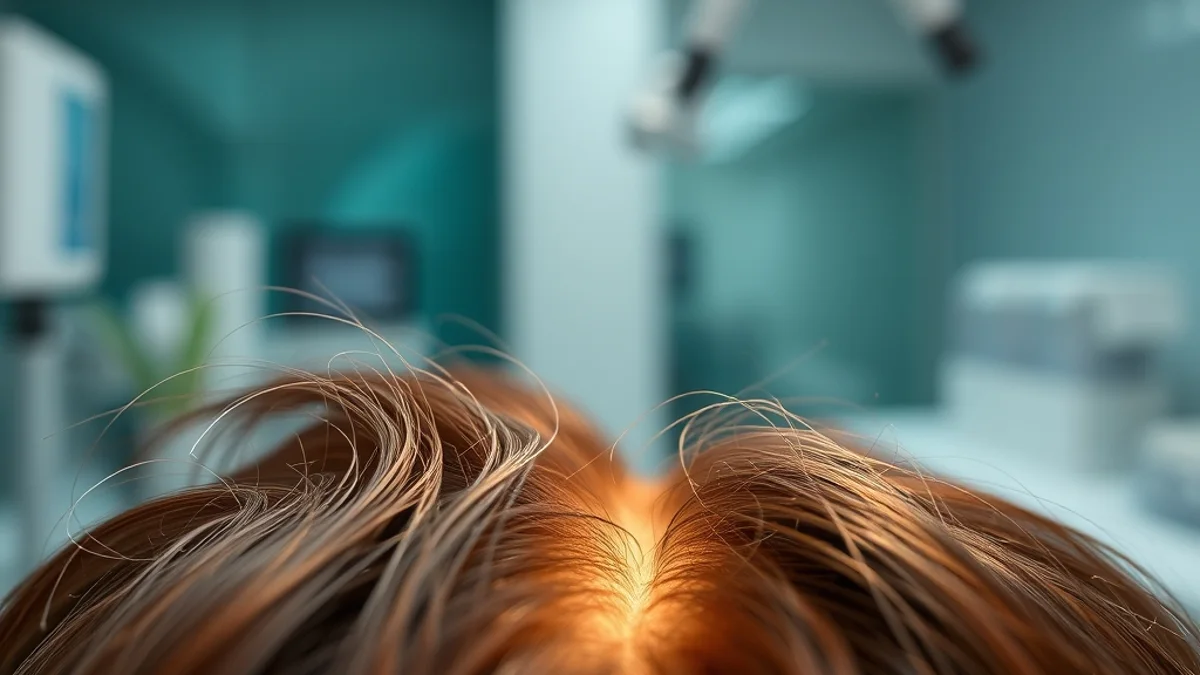
The relationship between creatine supplementation and hair loss has garnered significant attention, particularly among athletes and fitness enthusiasts. While some anecdotal reports suggest a link between creatine and hair thinning, the underlying mechanisms remain poorly understood. This editorial explores the hormonal and nutritional factors that may influence hair health in the context of creatine use, emphasizing the importance of a holistic approach to hair loss.
Androgenic Effects of Creatine: A Closer Look at Dihydrotestosterone (DHT)
Creatine is a naturally occurring compound found in muscle tissue, playing a crucial role in energy metabolism. However, its supplementation has been associated with increased levels of dihydrotestosterone (DHT), a potent androgen derived from testosterone. Elevated DHT levels are known to contribute to androgenetic alopecia, a common form of hair loss characterized by miniaturization of hair follicles.
Research indicates that creatine supplementation can lead to a significant increase in DHT levels, particularly in young men engaged in resistance training. A study published in the Clinical Journal of Sport Medicine demonstrated that participants who supplemented with creatine experienced a notable rise in DHT after a six-week regimen. This hormonal shift may predispose individuals to hair thinning, especially those with a genetic predisposition to androgenetic alopecia.
Thyroid Hormones (T3/T4) and Their Role in Hair Follicle Health
Thyroid hormones, specifically triiodothyronine (T3) and thyroxine (T4), are critical regulators of hair follicle cycling. Hypothyroidism can lead to hair loss due to a decrease in the anagen (growth) phase duration and an increase in the telogen (resting) phase. While creatine does not directly influence thyroid hormone levels, the stress of intense physical training can impact thyroid function, potentially exacerbating hair loss in susceptible individuals.
Maintaining optimal thyroid hormone levels is essential for hair health. Individuals experiencing hair thinning while using creatine should consider evaluating their thyroid function through comprehensive testing, including TSH, Free T3, and Free T4 levels. Addressing any thyroid imbalances may mitigate the risk of hair loss.
Serum Ferritin Thresholds and Follicular Cycling
Ferritin, a protein that stores iron in the body, is a critical micronutrient for hair follicle health. Low serum ferritin levels have been associated with telogen effluvium, a condition characterized by diffuse hair shedding. While creatine does not directly affect ferritin levels, the nutritional demands of high-intensity training can lead to iron depletion, particularly in individuals with inadequate dietary intake.
Optimal serum ferritin levels are generally considered to be above 70 ng/mL for hair health. Athletes and individuals engaging in rigorous training should monitor their ferritin levels regularly and consider iron supplementation if deficiencies are identified. Ensuring adequate iron stores can support healthy hair follicle cycling and potentially counteract any adverse effects of creatine on hair loss.
Evidence-Based Supplementation vs. Biotin Myths
Biotin, a B-vitamin often touted for its hair growth benefits, has gained popularity among those concerned about hair loss. However, the evidence supporting biotin supplementation for hair health is limited, particularly in individuals without a deficiency. Creatine supplementation may not directly affect biotin levels; however, the increased metabolic demands of exercise can lead to micronutrient deficiencies, including biotin.
Clinical studies suggest that biotin supplementation can improve hair health in individuals with underlying deficiencies, but it is not a panacea for hair loss. A comprehensive approach that includes assessing and optimizing micronutrient status, including biotin, is essential for individuals experiencing hair thinning while using creatine.
Dietary Protein Density and Keratin Synthesis
Keratin, the primary structural protein in hair, is synthesized from amino acids derived from dietary protein. Creatine supplementation, often accompanied by increased protein intake, can enhance muscle recovery and growth. However, the balance of amino acids is crucial for optimal keratin production. Insufficient protein intake, particularly of high-quality sources, can impair hair health and contribute to hair loss.
To support hair health, individuals should focus on a diet rich in complete proteins, including lean meats, fish, dairy, legumes, and nuts. Ensuring adequate protein density in the diet can provide the necessary building blocks for keratin synthesis, potentially counteracting any negative effects of creatine on hair loss.
In conclusion, while creatine supplementation may influence hormonal levels, particularly DHT, and nutritional status, it is essential to consider the broader context of hair health. Evaluating thyroid function, monitoring serum ferritin levels, and ensuring adequate dietary protein and micronutrient intake are critical steps in addressing hair thinning concerns. A holistic approach that integrates these factors will provide the best outcomes for individuals seeking to maintain healthy hair while using creatine.
For targeted nutritional plans, ferritin optimization, and hormone-related shedding insights, continue exploring our Hair Nutrition & Hormones section below.