
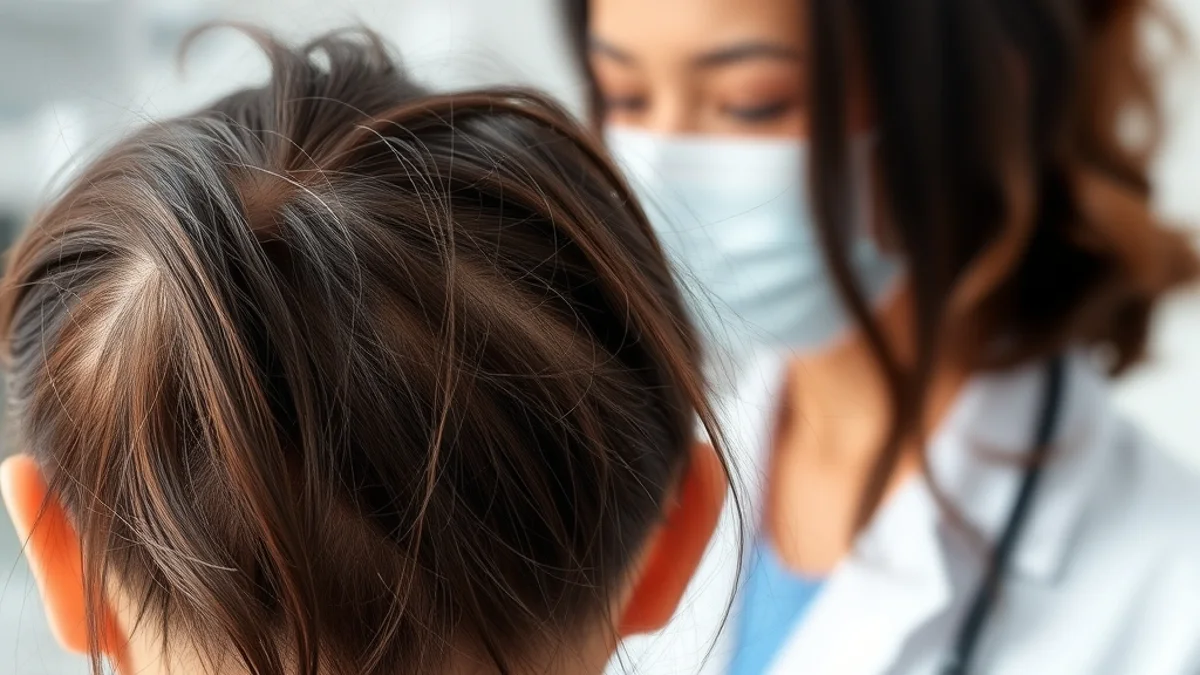
Thinning hair can often be traced back to underlying hormonal imbalances or micronutrient deficiencies. Understanding the intricate relationship between endocrine function and hair health is crucial for developing effective interventions. Here, we explore ten essential vitamins that can support hair growth and strength, particularly in the context of hormonal influences and nutritional adequacy.
Serum Ferritin Thresholds and Follicular Cycling
Ferritin, the primary storage form of iron, plays a pivotal role in hair follicle cycling. Research indicates that low serum ferritin levels correlate with telogen effluvium, a condition characterized by increased hair shedding. Optimal ferritin levels (generally above 70 ng/mL) are essential for maintaining the anagen phase, the active growth stage of hair follicles. Iron deficiency can disrupt oxygen transport and energy metabolism within hair follicles, leading to impaired keratinocyte proliferation and hair shaft production. Supplementation with iron, when indicated, should be approached cautiously, ideally under clinical supervision, to avoid potential overload and associated complications.
Thyroid Hormones (T3/T4) and Anagen Phase Regulation
The thyroid gland produces hormones that are integral to metabolic processes, including hair growth regulation. Triiodothyronine (T3) and thyroxine (T4) influence the duration of the anagen phase and overall hair density. Hypothyroidism can lead to hair thinning due to reduced metabolic activity and impaired follicular function. Clinical evaluation of thyroid function, including TSH, T3, and T4 levels, is essential for individuals experiencing hair loss. Thyroid hormone replacement therapy, when necessary, can restore normal hair growth patterns and improve hair quality.
Evidence-Based Supplementation vs. Biotin Myths
Biotin, often touted as a miracle vitamin for hair growth, lacks robust clinical evidence supporting its efficacy in individuals without a deficiency. While biotin deficiency is rare, supplementation may be beneficial in specific populations, such as those with genetic predispositions to hair loss. More compelling evidence supports the role of vitamins such as Vitamin D and B12 in hair health. Vitamin D receptors are present in hair follicles, and its deficiency has been linked to alopecia areata. Supplementing with Vitamin D, particularly in individuals with low serum levels, can promote hair follicle cycling and reduce hair loss. Similarly, Vitamin B12 is crucial for red blood cell formation and oxygen delivery to tissues, including the scalp.
Dietary Protein Density and Keratin Synthesis
Hair is primarily composed of keratin, a fibrous protein that requires adequate dietary protein intake for optimal synthesis. Insufficient protein consumption can lead to hair thinning and shedding, as the body prioritizes vital functions over non-essential processes like hair growth. The amino acids cysteine and methionine, found in high-protein foods such as eggs, fish, and legumes, are particularly important for keratin production. A balanced diet that meets individual protein needs is essential for supporting hair strength and resilience.
The Role of Zinc in Hair Follicle Health
Zinc is a trace mineral that plays a multifaceted role in hair health, including DNA synthesis, cell division, and protein synthesis. Deficiency in zinc can lead to hair loss, as it impairs the structural integrity of hair follicles and disrupts the hair growth cycle. Clinical studies have demonstrated that zinc supplementation can improve hair regrowth in individuals with alopecia areata and other forms of hair loss. The recommended dietary allowance (RDA) for zinc varies by age and gender, but ensuring adequate intake through dietary sources such as nuts, seeds, and whole grains is crucial for maintaining healthy hair follicles.
In conclusion, addressing thinning hair requires a comprehensive understanding of the interplay between hormonal health and micronutrient status. By focusing on key vitamins and minerals, individuals can take proactive steps toward enhancing hair growth and strength. Regular monitoring of serum levels and dietary intake, along with tailored supplementation strategies, can significantly impact hair health outcomes.
For targeted nutritional plans, ferritin optimization, and hormone-related shedding insights, continue exploring our Hair Nutrition & Hormones section below.