
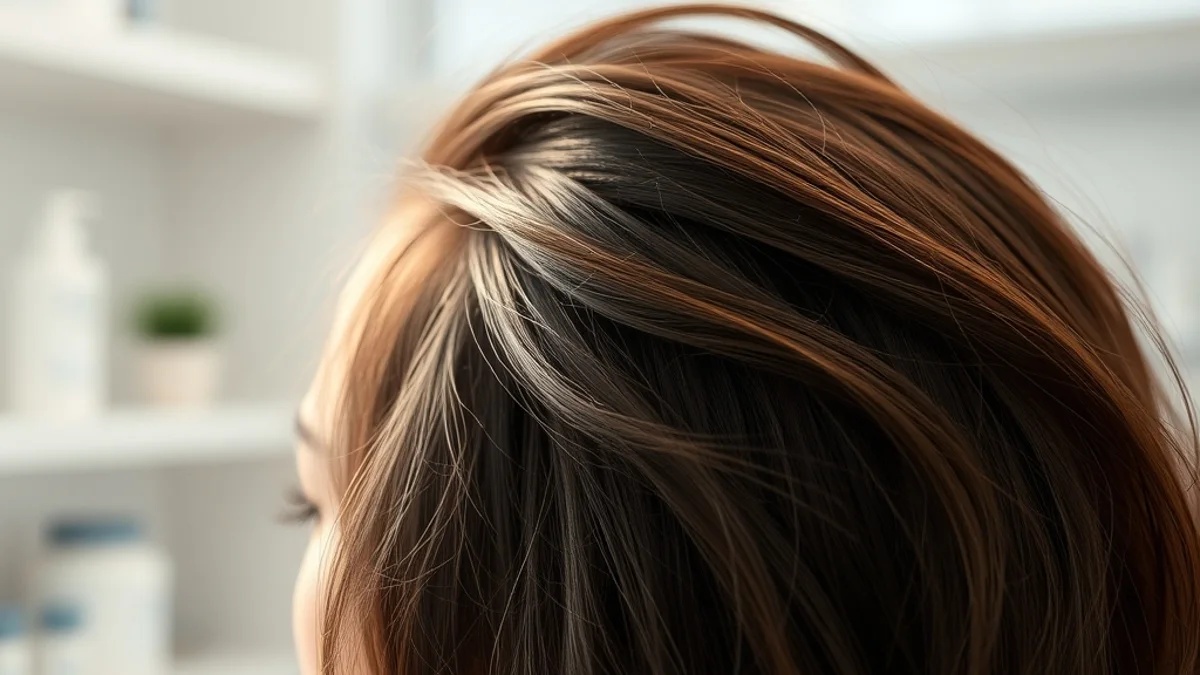
The biological underpinnings of hair loss, particularly in conditions such as androgenetic alopecia and telogen effluvium, involve complex interactions between genetic predisposition, hormonal fluctuations, and environmental factors. Recent advancements in laser technology have led to the development of laser hair growth devices, which aim to stimulate hair follicles and promote regrowth by enhancing cellular metabolism and blood circulation.
Follicular Miniaturization and DHT Receptors
Androgenetic alopecia, commonly referred to as male or female pattern baldness, is characterized by the progressive miniaturization of hair follicles, primarily driven by dihydrotestosterone (DHT). DHT, a potent androgen derived from testosterone, binds to androgen receptors in susceptible hair follicles, leading to a reduction in hair shaft diameter and an increased duration of the telogen phase. This results in thinner, weaker hair that is more prone to shedding. Understanding this mechanism is crucial for evaluating the efficacy of laser hair growth devices, as these devices are designed to counteract the effects of DHT by promoting healthier follicular activity.
Clinical Trial Outcomes and Regrowth Timelines
Recent clinical trials have demonstrated the efficacy of low-level laser therapy (LLLT) in promoting hair regrowth. A notable study published in the Journal of Investigative Dermatology found that participants using LLLT devices experienced a statistically significant increase in hair density after 24 weeks of treatment compared to a placebo group. The regrowth timeline varies among individuals, with some patients observing initial improvements within 8 to 12 weeks, while others may require up to 6 months to notice substantial changes. It is essential to consider these timelines when recommending laser devices, as patient expectations can significantly influence adherence to treatment protocols.
Therapeutic Synergy Between Topicals and Oral Agents
Combining laser therapy with topical agents such as minoxidil and oral medications like finasteride can enhance overall treatment efficacy. Minoxidil, a vasodilator, works by increasing blood flow to the hair follicles, while finasteride inhibits the conversion of testosterone to DHT, addressing the hormonal aspect of hair loss. Clinical studies suggest that patients who utilize LLLT in conjunction with these therapies may experience a synergistic effect, leading to improved hair density and thickness. This multifaceted approach not only targets the biological mechanisms of hair loss but also provides a comprehensive strategy for patients seeking effective solutions.
Long-Term Maintenance and Shedding Expectations
Long-term maintenance of hair regrowth achieved through laser therapy requires ongoing commitment. Patients should be informed that shedding may occur during the initial phases of treatment, often referred to as “shedding phase,” where weaker hairs are replaced by healthier strands. This phenomenon can be disconcerting; however, it is a normal part of the hair growth cycle. To maintain results, continuous use of laser devices, along with adherence to topical and oral treatments, is recommended. Regular follow-up consultations can help monitor progress and adjust treatment plans as necessary, ensuring optimal outcomes for patients.
Best Laser Hair Growth Devices in 2026: My Top Picks Reviewed
As we look toward 2026, several laser hair growth devices have emerged as frontrunners in clinical efficacy and patient satisfaction. Among these, the following devices stand out:
- Capillus272 Pro: This FDA-cleared cap utilizes 272 laser diodes to deliver effective LLLT. Clinical studies indicate significant improvements in hair density after consistent use.
- iRestore Laser Hair Growth System: Featuring a helmet design, this device combines laser and LED technology, providing a comprehensive approach to hair regrowth. User testimonials highlight noticeable improvements within 12 weeks.
- HairMax LaserBand 82: This device employs a unique band design for targeted treatment and boasts 82 medical-grade lasers. Clinical trials have shown promising results in hair count and thickness.
- Theradome PRO LH80: A cordless helmet device that offers hands-free treatment with 80 lasers, it has received positive feedback for its ease of use and effectiveness in promoting hair growth.
- NutraStim Laser Hair Growth Comb: This handheld device combines laser therapy with a comb design, allowing for targeted treatment of thinning areas. Its portability and user-friendly interface make it a popular choice among patients.
When selecting a laser hair growth device, it is crucial for patients to consider factors such as treatment duration, ease of use, and clinical evidence supporting each product’s efficacy. Consulting with a trichology specialist can further guide patients in making informed decisions tailored to their specific hair loss conditions.
For more evidence-based protocols on androgenetic alopecia, minoxidil strategies, and clinical hair restoration, explore our Hair Loss & Regrowth section below.