
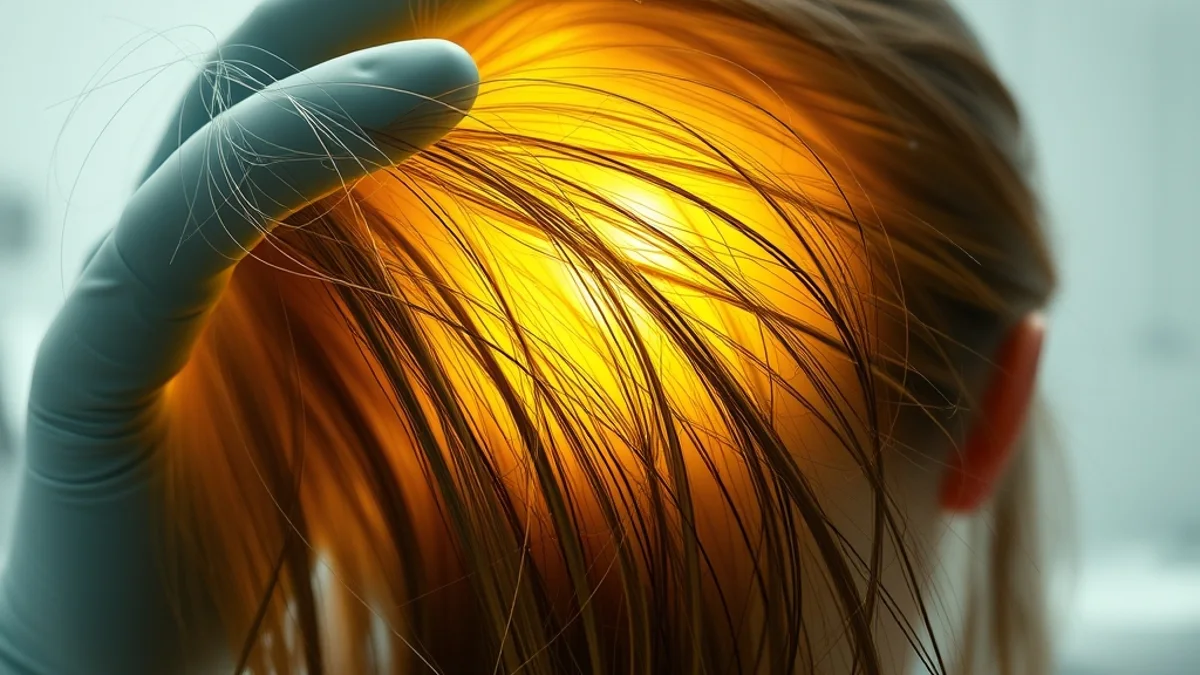
The quest for effective hair growth solutions has led to a surge in popularity for tools like dermarollers, red light therapy caps, and scalp massagers. Each of these methods claims to enhance hair growth through various mechanisms, but understanding their efficacy requires a closer examination of the scalp’s microbiome, sebum regulation, and the integrity of the follicular barrier.
Understanding the Scalp Microbiome: A Delicate Balance
The scalp microbiome is a complex ecosystem of microorganisms that play a critical role in maintaining scalp health. A balanced microbiome contributes to the prevention of inflammation, dandruff, and conditions like seborrheic dermatitis and psoriasis. Disruptions in this balance can lead to overgrowth of pathogenic organisms, such as Malassezia, which can exacerbate inflammatory conditions and hinder hair growth.
Research indicates that a healthy scalp microbiome supports the integrity of the follicular barrier, which is essential for optimal hair growth. When the microbiome is compromised, it can lead to increased sebum oxidation and inflammation, both of which can negatively impact hair follicles. Therefore, any hair growth tool or treatment must consider its effects on this delicate microbial balance.
Malassezia Colonization and Sebum Oxidation
One of the primary concerns in scalp health is the overgrowth of Malassezia, a yeast that thrives on scalp sebum. This organism can lead to inflammation and irritation, which are detrimental to hair follicles. Tools like dermarollers and scalp massagers can potentially exacerbate this condition if not used correctly.
Dermarolling, while promoting micro-injury and subsequent healing, can also increase sebum production if the scalp is not properly cleansed beforehand. This can create an environment conducive to Malassezia overgrowth. Conversely, red light therapy caps aim to stimulate cellular activity and enhance blood flow, potentially counteracting the negative effects of sebum oxidation. However, the effectiveness of these tools largely depends on the underlying scalp condition and the individual’s microbiome composition.
Active Surfactants, pH Balancing, and Clarifying Rhythms
Effective scalp care begins with proper cleansing, which involves the use of active surfactants that can remove excess sebum and debris without disrupting the scalp’s natural pH. A balanced pH, typically around 4.5 to 5.5, is crucial for maintaining the integrity of the scalp barrier and supporting a healthy microbiome.
Clarifying shampoos can be beneficial in removing product buildup and excess sebum, but they must be used judiciously to avoid stripping the scalp of its natural oils. Incorporating gentle, pH-balanced cleansers can help maintain scalp health while preparing the skin for treatments like dermarolling or red light therapy. This preparatory step is essential for optimizing the efficacy of these tools and minimizing the risk of inflammation.
Anti-Inflammatory Botanical and Peptide Formulations
Incorporating anti-inflammatory botanicals and peptides into scalp care routines can significantly enhance the effectiveness of hair growth tools. Ingredients such as niacinamide, saw palmetto, and various plant extracts have demonstrated anti-inflammatory properties that can soothe the scalp and promote a healthier environment for hair follicles.
Peptides, particularly those that stimulate collagen production, can also support the structural integrity of the follicular barrier. When used in conjunction with tools like dermarollers, these formulations can enhance the healing process and improve overall scalp health. It is important to select products that are free from harsh chemicals and irritants, as these can exacerbate existing scalp conditions.
Clinical Wash Protocols for Follicular Longevity
Establishing a clinical wash protocol is vital for maintaining follicular longevity and ensuring the effectiveness of hair growth interventions. This protocol should include regular cleansing with pH-balanced shampoos, targeted treatments for inflammation, and the strategic use of hair growth tools.
For individuals experiencing scalp conditions, it is advisable to incorporate a gentle exfoliation step to remove dead skin cells and promote healthy circulation. Following cleansing, the application of serums containing growth factors or peptides can further enhance follicular health. Consistency in this regimen, along with periodic assessments of scalp health, is crucial for achieving optimal results.
In conclusion, while tools like dermarollers, red light caps, and scalp massagers have gained viral attention for their potential to promote hair growth, their effectiveness is contingent upon a comprehensive understanding of the scalp’s microbiome and barrier integrity. By prioritizing scalp health through balanced cleansing, anti-inflammatory formulations, and clinical protocols, individuals can create an optimal environment for hair growth.
To discover advanced scalp microbiome therapies, anti-dandruff solutions, and follicular care guides, continue browsing our Scalp Care & Health section below.