
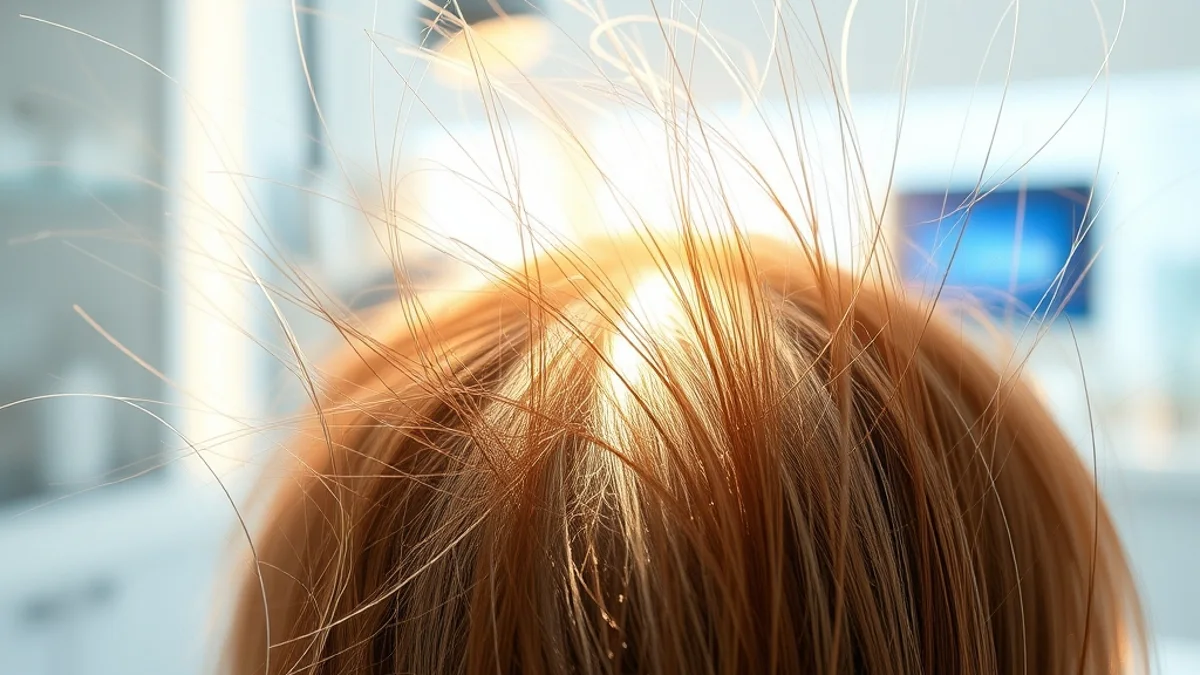
As the conversation around hair loss continues to evolve, a recent $17 shampoo has garnered significant attention online, with users claiming it has reversed their hair thinning. To understand the underlying mechanisms, we consulted dermatologists to explore the interplay of hormonal factors and micronutrient deficiencies that contribute to hair health.
Serum Ferritin Thresholds and Follicular Cycling
Ferritin, the primary storage form of iron in the body, plays a crucial role in hair follicle cycling. Clinical studies have established a correlation between low serum ferritin levels and telogen effluvium, a condition characterized by increased hair shedding. Optimal ferritin levels are generally considered to be above 70 ng/mL for supporting hair growth. When ferritin levels drop below this threshold, hair follicles may prematurely enter the telogen phase, leading to noticeable thinning. Regular monitoring of ferritin levels can be instrumental in diagnosing and managing hair loss, especially in individuals with dietary restrictions or absorption issues.
Thyroid Hormones (T3/T4) and Anagen Phase Regulation
The thyroid gland produces hormones that are vital for metabolic processes, including hair growth. Triiodothyronine (T3) and thyroxine (T4) have been shown to influence the anagen (growth) phase of hair follicles. Hypothyroidism, characterized by insufficient production of these hormones, can lead to hair thinning and loss. Conversely, hyperthyroidism may also disrupt hair growth cycles, causing hair to become brittle and fall out. Clinicians often evaluate thyroid function through serum TSH, T3, and T4 levels when assessing patients with unexplained hair loss, emphasizing the need for a comprehensive hormonal assessment.
Evidence-Based Supplementation vs. Biotin Myths
Biotin, often touted as a miracle supplement for hair growth, lacks robust clinical evidence supporting its efficacy in individuals without a biotin deficiency. While biotin is essential for keratin production, its role in hair loss treatment is frequently overstated. Instead, evidence suggests that micronutrients such as zinc, vitamin D, and omega-3 fatty acids may play more significant roles in hair health. Zinc deficiency, for example, has been linked to alopecia areata, while vitamin D is crucial for the hair follicle cycle. A balanced approach to supplementation, focusing on a spectrum of nutrients rather than a single vitamin, is recommended for optimal hair health.
Dietary Protein Density and Keratin Synthesis
Keratin, the structural protein that forms the basis of hair, requires adequate protein intake for synthesis. Diets low in protein can lead to a decrease in hair density and strength. The amino acids cysteine and methionine are particularly important for keratin production, and their deficiency can compromise hair integrity. Clinical nutritionists advocate for a protein-rich diet, including sources such as lean meats, fish, legumes, and nuts, to support hair health. Furthermore, the timing and quality of protein intake can influence hair growth, underscoring the need for a tailored dietary approach.
Hormonal Fluctuations: Estrogen and Androgen Dynamics
Hormonal imbalances, particularly involving androgens and estrogens, are significant contributors to hair loss. Conditions such as polycystic ovary syndrome (PCOS) can lead to elevated androgen levels, which may trigger androgenetic alopecia in genetically predisposed individuals. Conversely, estrogen has a protective effect on hair follicles, and fluctuations during menopause can exacerbate hair thinning. Understanding the hormonal landscape is essential for developing targeted treatment strategies, including potential pharmacological interventions that modulate these hormonal effects.
In conclusion, while the $17 shampoo may hold appeal for its affordability and anecdotal success stories, a deeper understanding of the biochemical and nutritional factors influencing hair health is essential. The interplay of serum ferritin, thyroid hormones, micronutrient status, dietary protein, and hormonal dynamics must be considered when addressing hair loss. For targeted nutritional plans, ferritin optimization, and hormone-related shedding insights, continue exploring our Hair Nutrition & Hormones section below.