
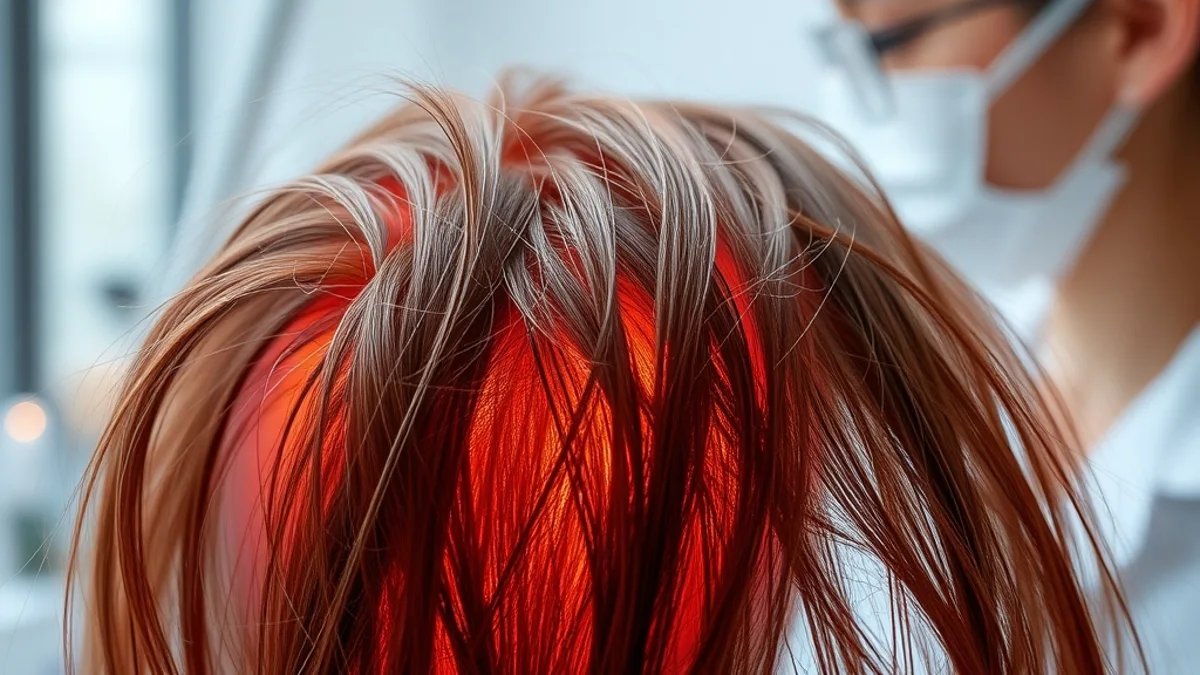
The recent buzz surrounding a $17 shampoo purported to reverse hair loss has captured the attention of many, but what does the science say? Understanding the intricate relationship between hormonal imbalances, micronutrient deficiencies, and hair health is essential for anyone grappling with hair thinning. This editorial delves into the biochemical underpinnings that could elucidate the claims surrounding this product.
## Serum Ferritin Thresholds and Follicular Cycling
Ferritin, the primary storage form of iron in the body, plays a critical role in hair follicle cycling. Research indicates that low serum ferritin levels can lead to telogen effluvium, a condition characterized by excessive shedding. The threshold for ferritin levels associated with hair loss is often cited as below 70 ng/mL, though some studies suggest that maintaining levels above 100 ng/mL may be more beneficial for hair health.
Iron is vital for the synthesis of hemoglobin and myoglobin, which transport oxygen to tissues, including hair follicles. Insufficient oxygenation can impair follicular function, leading to a shortened anagen (growth) phase. Moreover, ferritin’s role in regulating oxidative stress is crucial; low levels can increase oxidative damage, further exacerbating hair loss. Therefore, assessing serum ferritin should be a priority in individuals experiencing hair thinning, as optimizing ferritin levels may support healthier hair growth.
## Thyroid Hormones (T3/T4) and Anagen Phase Regulation
Thyroid hormones, particularly triiodothyronine (T3) and thyroxine (T4), are integral to the regulation of the hair growth cycle. A deficiency in these hormones can lead to a range of hair issues, including thinning and loss. Hypothyroidism, characterized by low levels of T3 and T4, can result in a prolonged telogen phase, effectively stalling hair growth.
Conversely, hyperthyroidism can also lead to hair loss, albeit through different mechanisms. The dysregulation of thyroid hormones impacts the hair follicle’s ability to transition from the telogen to anagen phase, which is essential for robust hair growth. Clinicians often recommend comprehensive thyroid panels, including TSH, Free T3, and Free T4, to evaluate thyroid function in patients with unexplained hair loss. Addressing thyroid imbalances through appropriate medical interventions can significantly improve hair density and quality.
## Evidence-Based Supplementation vs. Biotin Myths
Biotin, or vitamin B7, has gained popularity as a go-to supplement for hair health, yet its efficacy is often overstated. While biotin deficiency can lead to hair loss, it is relatively rare in the general population. Most individuals obtain sufficient biotin through a balanced diet, which includes foods like eggs, nuts, and whole grains.
Emerging evidence suggests that other micronutrients, such as zinc and vitamin D, may have a more substantial impact on hair health. Zinc plays a crucial role in protein synthesis and cell division, both of which are vital for hair follicle health. A deficiency in zinc can lead to alopecia and impaired wound healing. Similarly, vitamin D is essential for the hair follicle cycle, and low levels have been associated with various forms of hair loss, including androgenetic alopecia. Therefore, while biotin may have its place, a more comprehensive approach to supplementation, focusing on a range of micronutrients, is warranted for optimal hair health.
## Dietary Protein Density and Keratin Synthesis
The structural integrity of hair is primarily composed of keratin, a fibrous protein. Therefore, adequate dietary protein intake is essential for maintaining hair health. Insufficient protein consumption can lead to hair thinning and loss, as the body prioritizes protein use for vital functions over non-essential tissues like hair.
Research indicates that a diet rich in high-quality proteins, such as lean meats, fish, dairy, legumes, and nuts, can support keratin synthesis and promote hair growth. Furthermore, amino acids, particularly cysteine and methionine, are critical for keratin production. Individuals experiencing hair loss should evaluate their protein intake and consider incorporating a variety of protein sources to ensure they are meeting their nutritional needs.
## The Role of Cortisol and Stress in Hair Health
Chronic stress and elevated cortisol levels have been implicated in hair loss, particularly in conditions such as telogen effluvium and alopecia areata. Cortisol, the body’s primary stress hormone, can disrupt the hair growth cycle by pushing hair follicles prematurely into the telogen phase. This shift can result in noticeable shedding and thinning.
Managing stress through lifestyle changes, mindfulness practices, and, when necessary, professional intervention can be beneficial for those experiencing stress-related hair loss. Additionally, monitoring cortisol levels can provide insights into the physiological stress response and its impact on hair health. Addressing the underlying causes of stress may not only improve overall well-being but also support healthier hair growth.
In conclusion, while the allure of a $17 shampoo may be tempting, understanding the complex interplay of hormones and micronutrients is crucial for addressing hair loss effectively. A comprehensive approach that considers serum ferritin levels, thyroid function, micronutrient status, dietary protein intake, and stress management can provide a more robust framework for promoting hair health.
For targeted nutritional plans, ferritin optimization, and hormone-related shedding insights, continue exploring our Hair Nutrition & Hormones section below.