
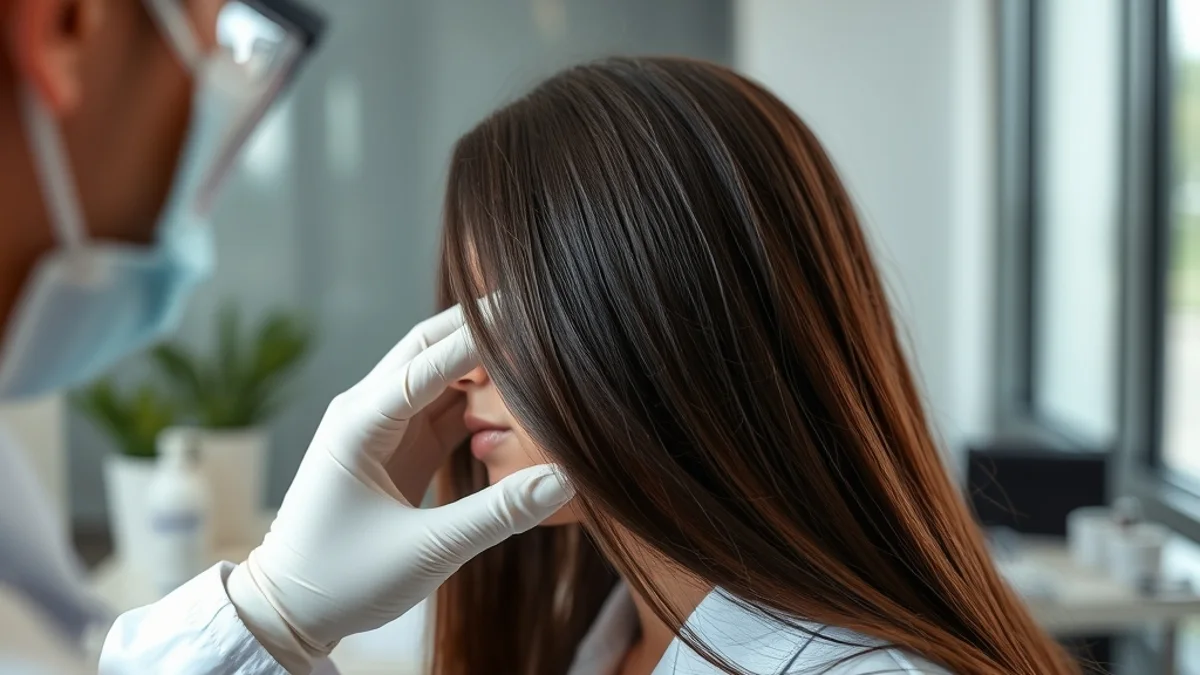
In the evolving landscape of hair restoration, the allure of natural oils remains steadfast, particularly for those grappling with thinning hair. While advanced clinical therapies such as low-level light therapy (LLLT) and exosomal treatments have gained traction, the multifaceted benefits of botanical oils continue to provide a compelling adjunct to these innovations, offering both symptomatic relief and potential biological enhancement of hair health.
Botanical Oils: A Historical Perspective on Hair Restoration
Historically, oils derived from plants have been utilized in various cultures for their nourishing properties. Oils such as argan, coconut, and jojoba have been revered not only for their moisturizing capabilities but also for their rich profiles of fatty acids, vitamins, and antioxidants. These natural substances can penetrate the hair shaft and scalp, providing essential nutrients that support hair follicle health. Recent studies have begun to elucidate the mechanisms by which these oils may promote hair growth, including anti-inflammatory effects and the modulation of sebum production, which can create a healthier scalp environment conducive to hair growth.
Mechanisms of Action: How Oils Influence Hair Follicle Biology
The biological activity of hair follicles is influenced by a myriad of factors, including the local microenvironment and the presence of specific bioactive compounds. Oils such as rosemary and peppermint have been shown to enhance blood circulation to the scalp, potentially increasing the delivery of vital nutrients and oxygen to hair follicles. Furthermore, certain oils possess anti-androgenic properties, which can mitigate the effects of dihydrotestosterone (DHT)—a key player in androgenetic alopecia. For instance, rosemary oil has demonstrated efficacy comparable to minoxidil in clinical trials, highlighting its potential as a natural alternative for promoting hair density.
Integrating Oils with Advanced Clinical Therapies
As patients explore advanced clinical treatments, the integration of botanical oils with cutting-edge technologies can yield synergistic benefits. For example, combining oils with low-level light therapy may enhance the therapeutic effects of photobiomodulation by providing essential nutrients that support cellular metabolism and mitochondrial function. The application of oils post-therapy can also aid in soothing the scalp and reducing inflammation, thereby enhancing patient comfort and treatment outcomes. This integrative approach underscores the importance of a holistic treatment plan that addresses both the biological and symptomatic aspects of hair thinning.
Patient-Centric Considerations: Customizing Oil Regimens
When considering the use of oils for thinning hair, patient selection is crucial. Factors such as hair type, scalp condition, and individual sensitivities must be assessed to tailor an effective regimen. For patients with oily scalps, lighter oils like grapeseed or argan may be more appropriate, while those with dry scalps might benefit from heavier oils like castor or avocado. Additionally, the method of application—whether through scalp massages or as part of a leave-in treatment—can influence the efficacy of the oils. Educating patients on these nuances can empower them to make informed decisions about their hair care routines.
Comparative Efficacy: Oils Versus Advanced Therapeutic Modalities
In the quest for effective hair restoration, it is essential to compare the efficacy of botanical oils against established clinical treatments. While oils offer a natural approach with fewer side effects, advanced therapies such as exosome treatments and growth factor applications provide targeted biological interventions that can yield rapid results. Clinical studies have shown that while oils may take longer to exhibit noticeable effects, their long-term benefits in maintaining hair health and preventing further loss can be significant. A comprehensive analysis of patient outcomes suggests that a combination of both approaches may provide the most favorable results, particularly in patients with early-stage hair thinning.
In conclusion, while the allure of advanced clinical innovations in hair restoration is undeniable, the enduring efficacy of botanical oils should not be overlooked. Their rich historical context, coupled with emerging scientific evidence, positions them as a valuable component of a multifaceted approach to managing thinning hair. By integrating these natural solutions with cutting-edge therapies, we can offer patients a holistic strategy for achieving optimal hair health.
To stay informed on modern bond repair chemistry, peptide innovations, and clinical trichological research, continue reading our Clinical Hair Science section below.