
The recent surge of interest in a $17 shampoo claiming to reverse hair loss has captured the attention of both consumers and dermatologists alike. This phenomenon raises critical questions about the efficacy of such products in the context of established clinical treatments. To clarify the science behind these claims, we consulted leading dermatologists to explore the mechanisms at play and the potential implications for patients seeking effective hair restoration solutions.
## Mechanisms of Action: How Ingredients Influence Follicular Health
The formulation of the shampoo in question likely includes a combination of active ingredients designed to target various pathways involved in hair loss. Commonly cited components such as ketoconazole, saw palmetto, and caffeine have been shown to possess anti-androgenic properties, potentially inhibiting dihydrotestosterone (DHT) – a key hormone implicated in androgenetic alopecia. Ketoconazole, for instance, not only combats fungal infections but also exhibits anti-inflammatory effects that may promote a healthier scalp environment conducive to hair growth.
Furthermore, the role of botanical extracts, such as ginseng and green tea, cannot be overlooked. These ingredients are rich in antioxidants and may enhance microcirculation, thereby improving nutrient delivery to hair follicles. However, while these mechanisms are promising, the concentration and bioavailability of these ingredients in a shampoo format may limit their effectiveness compared to more concentrated topical or systemic therapies.
## The Role of Low-Level Light Therapy in Hair Restoration
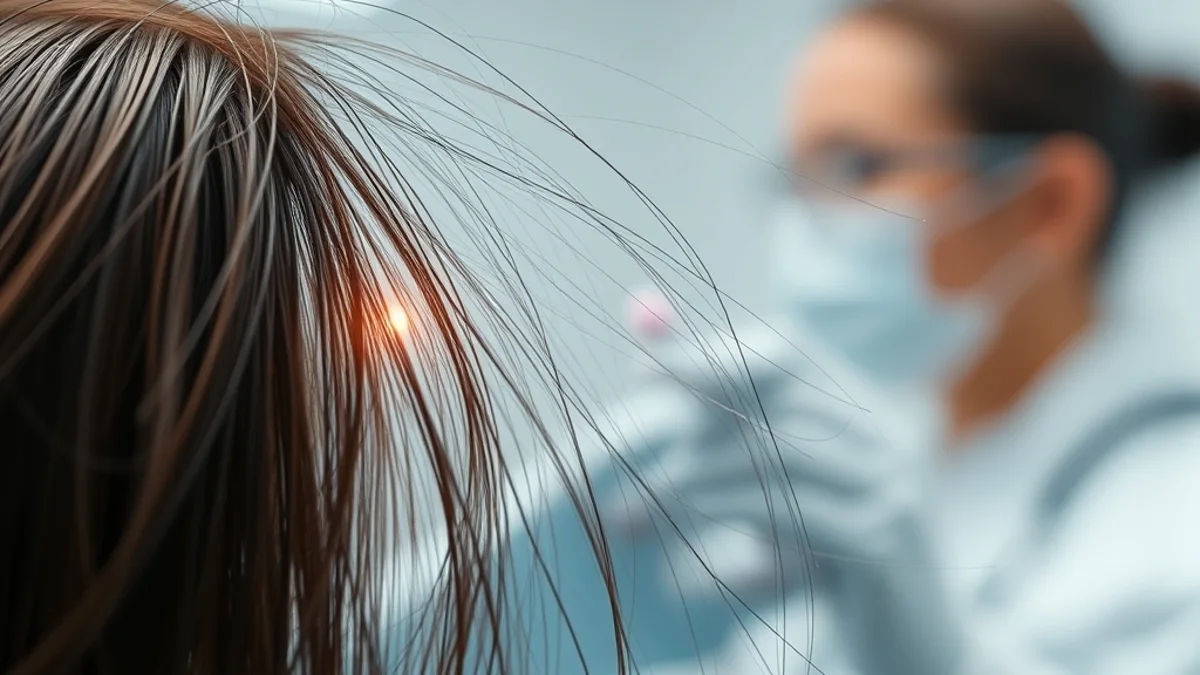
Low-level light therapy (LLLT) has emerged as a non-invasive treatment modality that complements topical agents. This technique utilizes specific wavelengths of light to stimulate cellular activity within hair follicles. Research indicates that LLLT can enhance mitochondrial function, leading to increased adenosine triphosphate (ATP) production, which is crucial for cellular metabolism and hair growth.
Clinical studies have demonstrated that LLLT can lead to significant increases in hair density and thickness, particularly in patients with androgenetic alopecia. The synergy between LLLT and topical agents, such as those found in the aforementioned shampoo, may enhance overall treatment outcomes by addressing multiple facets of hair loss simultaneously. However, it is essential to consider that results can vary widely based on individual patient factors, including the stage of hair loss and underlying health conditions.
## Exosomal Therapy: A Frontier in Hair Restoration
Exosomal therapy represents a cutting-edge advancement in the field of trichology, leveraging the regenerative potential of exosomes derived from stem cells. These nanovesicles are rich in growth factors, cytokines, and microRNAs, which can facilitate cellular communication and promote follicular regeneration. Preliminary studies suggest that exosomal treatments may significantly enhance hair growth by activating dormant hair follicles and prolonging the anagen phase of the hair cycle.
While the integration of exosomes into hair restoration protocols shows promise, it is crucial to approach such treatments with caution. The regulatory landscape surrounding exosomal therapies is still evolving, and rigorous clinical trials are necessary to establish standardized protocols and ensure patient safety. As such, patients should consult with qualified dermatologists to evaluate the appropriateness of exosomal therapy in conjunction with more traditional approaches.
## Patient-Centric Considerations: Selection Criteria and Contraindications
When evaluating the efficacy of any hair restoration treatment, patient selection is paramount. Factors such as the type and extent of hair loss, age, hormonal status, and overall health must be considered. For instance, patients with significant scarring alopecia may not respond to topical agents or light therapy, necessitating a more aggressive intervention like hair transplantation.
Contraindications also play a vital role in determining the suitability of treatments. For example, individuals with certain scalp conditions, such as psoriasis or dermatitis, may experience exacerbated symptoms with topical applications. Therefore, a thorough clinical assessment and personalized treatment plan are essential to optimize outcomes and minimize adverse effects.
## Comparative Efficacy: Analyzing the Landscape of Hair Restoration Options
In the rapidly evolving field of hair restoration, it is imperative to compare the efficacy of emerging treatments with established therapies. Minoxidil and finasteride remain the gold standards for medical management of androgenetic alopecia, with robust clinical evidence supporting their use. However, the appeal of lower-cost alternatives, such as the $17 shampoo, lies in their accessibility and perceived safety.
Recent meta-analyses indicate that while topical agents may yield modest improvements, the combination of treatments—such as minoxidil with LLLT or exosomal therapy—may offer superior results. Patients should be encouraged to adopt a multi-faceted approach, integrating various modalities to enhance hair restoration outcomes. This comprehensive strategy not only addresses the immediate concerns of hair loss but also promotes long-term scalp health.
In conclusion, while the allure of a budget-friendly shampoo claiming to reverse hair loss is compelling, it is essential to approach such claims with a critical eye. Understanding the underlying mechanisms, exploring advanced treatments, and considering individual patient factors are crucial steps in navigating the complex landscape of hair restoration.
To stay informed on modern bond repair chemistry, peptide innovations, and clinical trichological research, continue reading our Clinical Hair Science section below.