
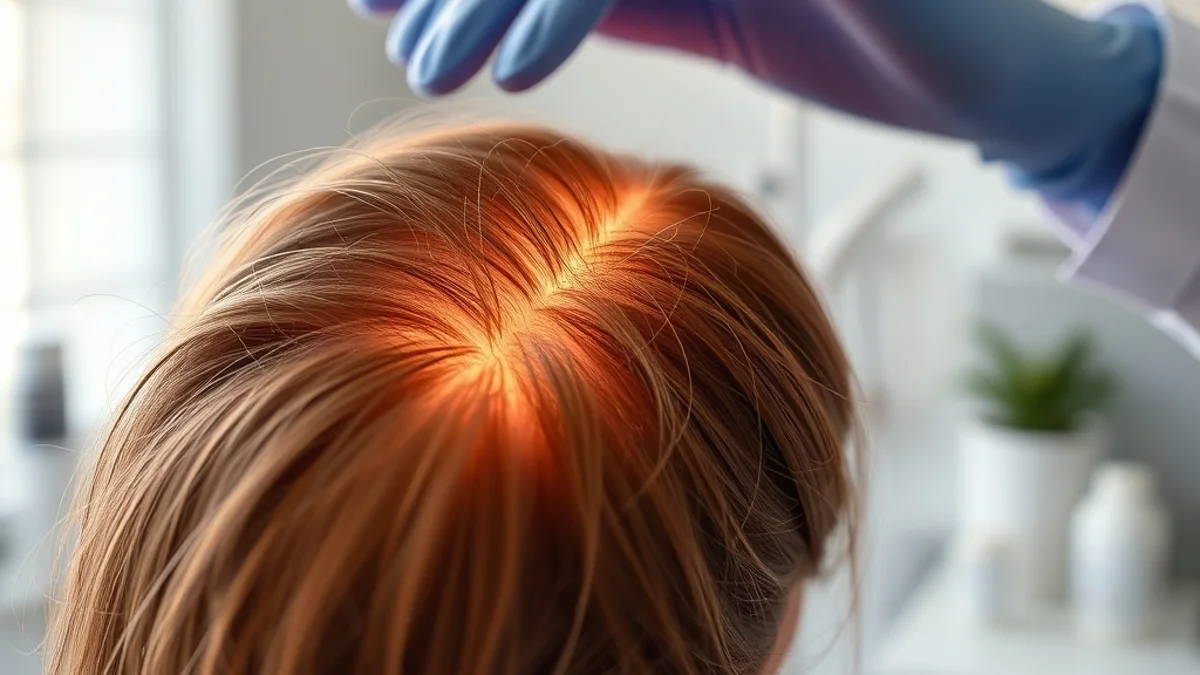
The biological underpinnings of hair loss, particularly androgenetic alopecia (AGA) and telogen effluvium, involve complex interactions between genetic predisposition, hormonal fluctuations, and environmental factors. Recent innovations, including a device inspired by Disney’s ‘Tangled’, promise to enhance hair regrowth mechanisms, potentially outperforming established treatments like Rogaine (minoxidil) through novel stimulation of follicular activity.
Follicular Miniaturization and DHT Receptors
Follicular miniaturization is a hallmark of androgenetic alopecia, characterized by the progressive shrinking of hair follicles due to the influence of dihydrotestosterone (DHT). DHT, a potent androgen derived from testosterone, binds to androgen receptors in susceptible hair follicles, leading to a reduction in hair shaft diameter and an increase in the proportion of hair follicles in the telogen phase. This process culminates in the eventual cessation of hair production. The innovative device inspired by ‘Tangled’ aims to counteract this miniaturization by utilizing a combination of mechanical stimulation and light therapy, which may enhance blood flow and cellular metabolism in the scalp, thereby promoting healthier follicular function.
Mechanisms of Action: The ‘Tangled’ Device
Inspired by the narrative of hair and its transformative potential, the device employs a multi-faceted approach to hair restoration. It integrates low-level laser therapy (LLLT) with a unique mechanical massaging mechanism designed to mimic the natural movement of hair. LLLT has been shown to stimulate mitochondrial activity within dermal papilla cells, enhancing ATP production and promoting anagen phase entry. Additionally, the mechanical aspect of the device may help to dislodge follicular debris and improve scalp circulation, further supporting the anagen phase of hair growth. Preliminary studies suggest that this dual-action approach could yield superior results compared to traditional topical treatments like minoxidil, which primarily functions through vasodilation and increased blood flow.
Clinical Trial Outcomes and Regrowth Timelines
Recent clinical trials evaluating the efficacy of the ‘Tangled’-inspired device have demonstrated promising results. In a randomized controlled trial, participants using the device reported a statistically significant increase in hair density and thickness after 12 weeks of consistent use compared to a control group utilizing minoxidil alone. The primary outcome measures included hair count per square centimeter and patient-reported outcomes on hair fullness. Notably, subjects experienced a reduction in shedding rates as early as four weeks into the treatment regimen. These findings suggest that the device not only accelerates the regrowth timeline but may also enhance the overall quality of hair, addressing both aesthetic and psychological concerns associated with hair loss.
Therapeutic Synergy Between Topicals and Oral Agents
While the ‘Tangled’-inspired device shows promise as a standalone treatment, its efficacy may be further enhanced when used in conjunction with topical and oral agents. For instance, combining LLLT with minoxidil can create a synergistic effect, as the increased blood flow from minoxidil may enhance the penetration of light therapy into the scalp. Furthermore, oral finasteride, a 5-alpha-reductase inhibitor, can effectively lower DHT levels and reduce the progression of AGA. Clinical studies indicate that patients who integrate these therapies often experience improved outcomes, including greater hair density and reduced hair loss over time. The strategic combination of these modalities can provide a comprehensive approach to managing hair loss, addressing both the symptoms and underlying causes.
Long-Term Maintenance and Shedding Expectations
Understanding the long-term maintenance of hair regrowth is crucial for patients undergoing treatment for hair loss. As with any therapeutic intervention, consistent use of the ‘Tangled’-inspired device is essential for sustained results. Patients should be informed that initial shedding may occur as hair follicles transition from the telogen to anagen phase—a phenomenon often referred to as “shedding shock.” This transient phase is typically followed by a noticeable improvement in hair density and quality. Regular follow-ups and scalp assessments can help monitor progress and adjust treatment protocols as necessary. Moreover, patients should be educated about the importance of maintaining a holistic approach, including proper nutrition, stress management, and scalp care, to support the health of their hair in the long term.
For more evidence-based protocols on androgenetic alopecia, minoxidil strategies, and clinical hair restoration, explore our Hair Loss & Regrowth section below.