
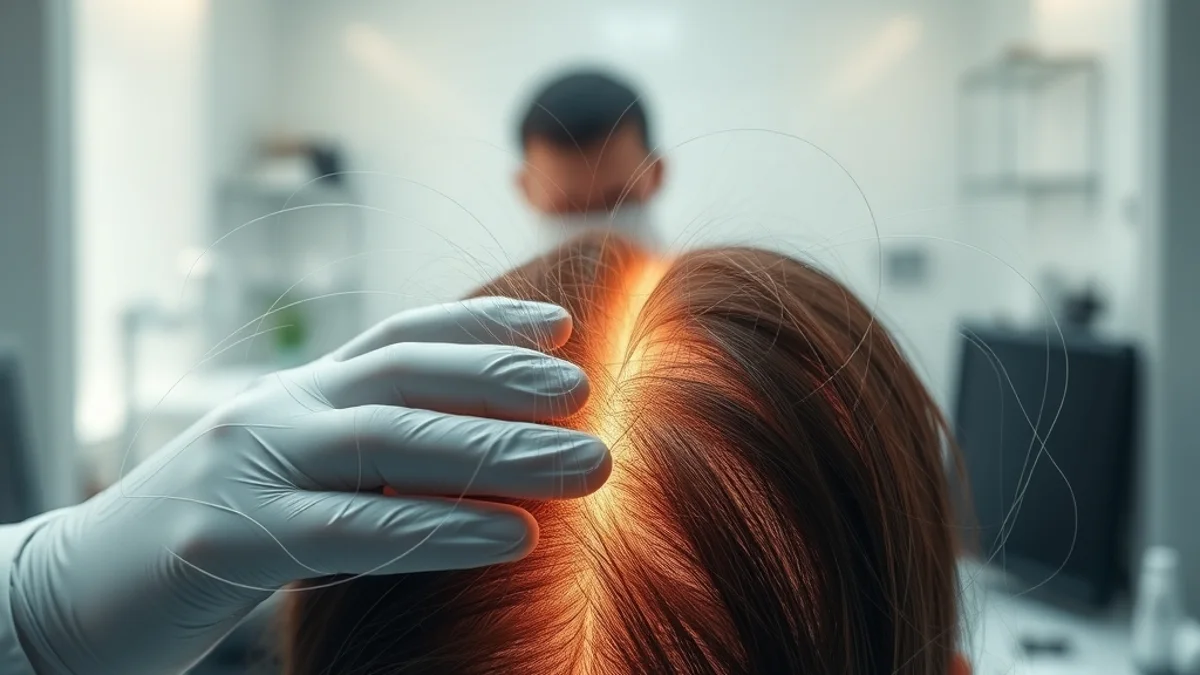
Collagen, a vital structural protein, has gained attention for its potential role in hair growth and health. While its direct impact on hair follicles is still under investigation, understanding the biochemical interplay between collagen, hormones, and micronutrients can illuminate its significance in addressing hair thinning and loss.
Serum Ferritin Thresholds and Follicular Cycling
Ferritin, the primary protein for iron storage, plays a crucial role in hair follicle cycling. Research indicates that low serum ferritin levels, often below 30 ng/mL, are associated with telogen effluvium and other forms of hair loss. Iron is integral to the synthesis of hemoglobin, which transports oxygen to hair follicles, thus supporting the anagen (growth) phase of the hair cycle. Collagen synthesis itself is dependent on adequate iron levels, as iron is a co-factor for prolyl hydroxylase, an enzyme critical for collagen maturation. Therefore, optimizing ferritin levels not only supports overall hair health but may also enhance collagen’s structural role in hair integrity.
Thyroid Hormones (T3/T4) and Anagen Phase Regulation
Thyroid hormones, particularly triiodothyronine (T3) and thyroxine (T4), are pivotal in regulating hair follicle cycling and growth. These hormones promote the transition of hair follicles into the anagen phase, stimulating proliferation and differentiation of keratinocytes. Collagen’s role in this process is indirect; it provides the necessary extracellular matrix that supports follicle structure and function. Hypothyroidism, characterized by low T3 and T4 levels, can lead to hair thinning due to reduced anagen duration. Thus, maintaining optimal thyroid function is essential for maximizing the benefits of collagen and ensuring robust hair growth.
Evidence-Based Supplementation vs. Biotin Myths
While biotin (vitamin B7) is often touted as a miracle supplement for hair growth, clinical evidence supporting its efficacy in individuals without a deficiency is limited. In contrast, collagen supplementation has shown promise in enhancing hair thickness and strength, likely due to its amino acid profile, which includes glycine and proline, essential for keratin production. A study published in the journal Skin Pharmacology and Physiology demonstrated that oral collagen peptides improved hair density and thickness in women with thinning hair. However, it is essential to approach supplementation holistically, considering the synergistic effects of other micronutrients such as zinc and vitamin D, which also play critical roles in hair follicle health.
Dietary Protein Density and Keratin Synthesis
The relationship between dietary protein intake and hair health is well-established. Hair is primarily composed of keratin, a fibrous protein that requires adequate amino acids for synthesis. Collagen, while not a direct component of hair, contributes to the overall protein pool available for keratin production. A diet rich in high-quality proteins—such as lean meats, fish, eggs, and legumes—ensures a sufficient supply of essential amino acids, including those found in collagen. Furthermore, the presence of micronutrients like zinc and vitamin C, which aid in collagen synthesis and absorption, further underscores the importance of a balanced diet in promoting hair growth.
Integrative Approaches: Hormonal Balance and Nutritional Synergy
Understanding the interplay between hormones and nutrition is crucial for addressing hair thinning effectively. Hormonal imbalances, such as elevated cortisol levels due to chronic stress or shifts in estrogen and androgen levels, can adversely affect hair health. Integrative approaches that focus on restoring hormonal balance through lifestyle modifications, stress management, and targeted nutritional interventions can enhance the efficacy of collagen supplementation. For instance, incorporating adaptogenic herbs may help modulate cortisol levels, while a diet rich in antioxidants can combat oxidative stress, further supporting hair follicle health.
In conclusion, while collagen may not be a standalone solution for hair growth, its role in the broader context of hormonal balance and nutritional support is undeniable. By addressing systemic deficiencies and hormonal imbalances, individuals can create an optimal environment for hair health, allowing collagen’s benefits to manifest effectively.
For targeted nutritional plans, ferritin optimization, and hormone-related shedding insights, continue exploring our Hair Nutrition & Hormones section below.