
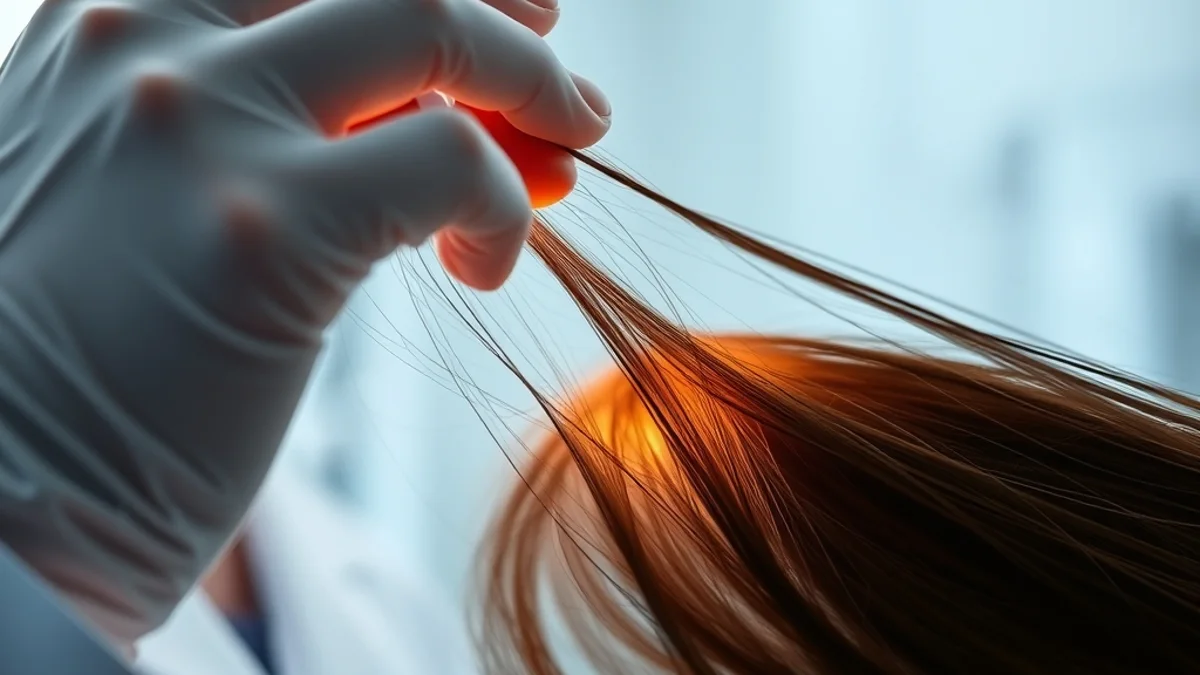
In the context of hair loss, insomnia may serve as a significant underlying factor, particularly in women experiencing telogen effluvium. This condition, characterized by diffuse hair shedding, can be exacerbated by prolonged stress and sleep disturbances, leading to a cascade of biological changes that affect hair follicle health and growth cycles.
Understanding Telogen Effluvium: The Role of Sleep Disturbances
Telogen effluvium (TE) is a common form of hair loss that typically arises in response to stressors, including physical trauma, hormonal fluctuations, and psychological strain. In the case of our 35-year-old patient from Ho Chi Minh City, chronic insomnia may have triggered a premature shift of hair follicles into the telogen phase, resulting in increased shedding. This condition is often reversible, but understanding the underlying mechanisms is crucial for effective management.
During periods of stress or sleep deprivation, the body experiences elevated levels of cortisol, a hormone known to disrupt the hair growth cycle. Elevated cortisol can lead to an imbalance in the hair follicle’s microenvironment, ultimately resulting in follicular miniaturization and impaired hair regrowth. Clinicians must assess the duration and severity of insomnia, as prolonged episodes can lead to more pronounced hair thinning.
Follicular Miniaturization and the Impact of Hormonal Changes
Follicular miniaturization is a central phenomenon in various forms of hair loss, including androgenetic alopecia and telogen effluvium. This process involves the gradual shrinking of hair follicles, leading to thinner, shorter hairs and, eventually, a cessation of growth. In women, hormonal fluctuations, particularly those related to estrogen and androgens, can significantly influence this process.
In our patient’s case, if insomnia is accompanied by hormonal imbalances—such as those occurring during perimenopause or as a result of thyroid dysfunction—this could further exacerbate hair loss. Clinicians should conduct a thorough hormonal assessment, including serum levels of estrogen, progesterone, and androgens, to identify any contributing factors. Addressing these hormonal imbalances may be essential in restoring normal hair growth cycles.
Clinical Trial Outcomes and Regrowth Timelines
Recent clinical trials have provided valuable insights into the efficacy of various treatment modalities for hair loss associated with telogen effluvium. Minoxidil, a topical agent approved for androgenetic alopecia, has shown promise in promoting hair regrowth in patients with TE as well. Studies indicate that consistent application of minoxidil can lead to visible improvements in hair density within 12 weeks, although complete results may take up to six months.
In addition to minoxidil, oral agents such as finasteride have been investigated for their potential benefits in women, particularly those with underlying androgenetic patterns. However, the use of finasteride in females remains controversial and should be approached with caution, particularly in premenopausal women due to potential teratogenic effects. Clinicians should tailor treatment plans based on individual patient profiles, considering both the psychological and physiological aspects of hair loss.
Therapeutic Synergy Between Topicals and Oral Agents
Combining topical and oral treatments may enhance therapeutic outcomes for patients experiencing hair loss. For instance, the concurrent use of minoxidil and low-dose spironolactone has been explored as a synergistic approach, particularly in women with signs of androgenetic alopecia. Spironolactone, an anti-androgen, can help mitigate the effects of elevated androgens on hair follicles, while minoxidil promotes vascularization and nutrient delivery to the scalp.
Moreover, the incorporation of nutraceuticals, such as biotin and saw palmetto, may provide additional support in hair restoration protocols. While evidence regarding the efficacy of these supplements is still evolving, many patients report subjective improvements in hair quality and density when combined with established treatments. A comprehensive approach that addresses both the biological and psychological dimensions of hair loss is paramount for optimal outcomes.
Long-Term Maintenance and Shedding Expectations
Understanding the long-term expectations for hair regrowth and maintenance is essential for patients experiencing telogen effluvium. Although many individuals may notice a gradual reduction in shedding and improvement in hair density after initiating treatment, it is important to set realistic timelines. Hair regrowth is a slow process, often taking several months to manifest visibly. Patients should be educated about the potential for initial shedding, known as “shedding phase,” which can occur as hair follicles transition from a dormant state to active growth.
Long-term maintenance strategies should include regular follow-ups to monitor progress and adjust treatment protocols as necessary. Patients should also be counseled on lifestyle factors, including sleep hygiene, stress management, and nutritional support, which can significantly impact hair health. A multidisciplinary approach that encompasses dermatological care, psychological support, and lifestyle modifications will yield the best results for patients navigating hair loss.
In conclusion, the case of a 35-year-old woman in Ho Chi Minh City experiencing significant hair loss after months of insomnia underscores the intricate relationship between sleep disturbances, hormonal balance, and hair follicle health. Clinicians must adopt a holistic approach to diagnosis and treatment, ensuring that patients receive comprehensive care tailored to their unique circumstances.
For more evidence-based protocols on androgenetic alopecia, minoxidil strategies, and clinical hair restoration, explore our Hair Loss & Regrowth section below.