
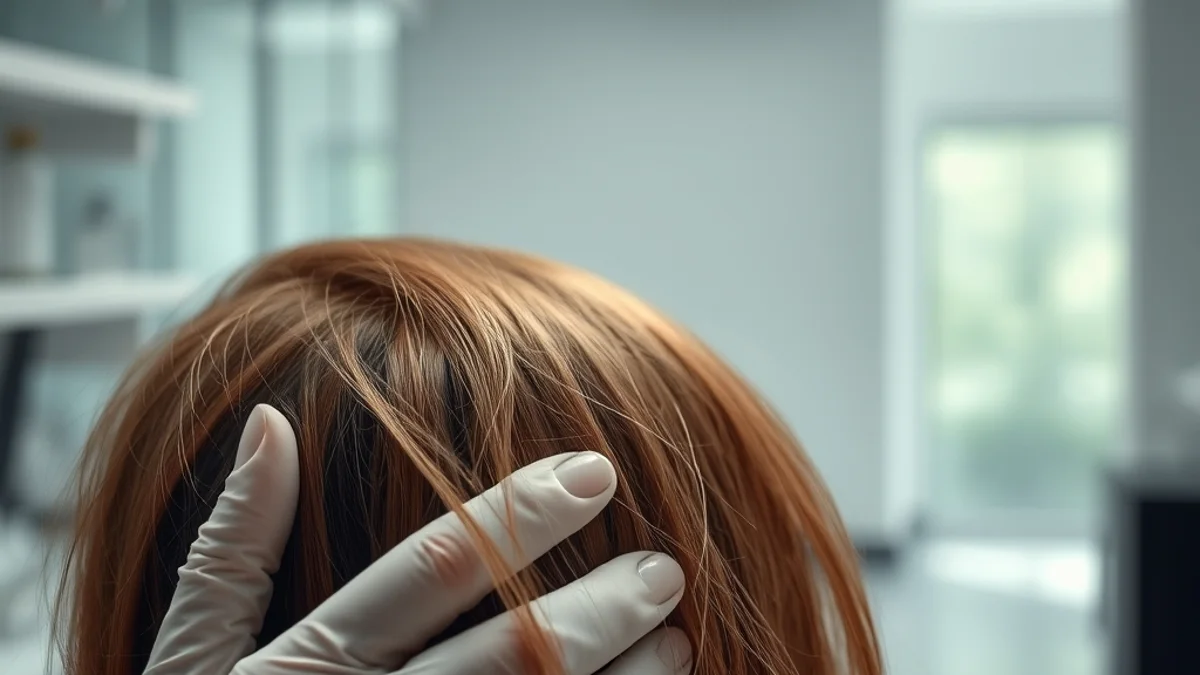
As we age, hair thinning becomes a common concern, particularly after 50. Understanding the interplay between the scalp microbiome, sebum regulation, and follicular barrier integrity is crucial for maintaining hair health. This guide delves into expert insights and practical strategies to support scalp health and combat hair thinning during this pivotal life stage.
Understanding the Scalp Microbiome and Its Role in Hair Health
The scalp microbiome comprises a diverse array of microorganisms, including bacteria, fungi, and viruses, that coexist in a delicate balance. This ecosystem plays a pivotal role in maintaining scalp health and, by extension, hair vitality. Disruptions to this balance can lead to conditions such as inflammation, dandruff, or seborrheic dermatitis, which can exacerbate hair thinning. A healthy microbiome supports the scalp’s barrier function, regulates sebum production, and protects against pathogenic organisms.
Research indicates that the presence of beneficial bacteria, such as Staphylococcus epidermidis, can inhibit the growth of harmful fungi like Malassezia, which is often implicated in scalp disorders. Therefore, maintaining a balanced microbiome is essential for promoting a healthy environment for hair follicles. Probiotic treatments, including topical formulations, can help restore this balance, ultimately supporting hair growth and reducing thinning.
Related: How Air Pollution Affects Your Hair and Skin: Dermatologists Weigh
Malassezia Colonization and Sebum Oxidation
One of the primary culprits in scalp inflammation and hair thinning is the overgrowth of Malassezia, a yeast that thrives on scalp sebum. As we age, sebum production can become imbalanced, leading to increased oxidation and inflammation. This not only affects the scalp’s health but also compromises the integrity of hair follicles, contributing to thinning hair.
To combat this, it is essential to incorporate products that target sebum regulation and reduce oxidative stress. Ingredients such as salicylic acid and zinc pyrithione have been shown to effectively manage Malassezia levels while promoting a healthier scalp environment. Regular cleansing with pH-balanced shampoos can also help maintain optimal sebum levels, preventing the buildup that leads to follicular blockage and hair loss.
Active Surfactants, pH Balancing, and Clarifying Rhythms
The choice of surfactants in hair care formulations significantly impacts scalp health. Traditional sulfates can strip the scalp of its natural oils, disrupting the microbiome and leading to irritation. Instead, consider using milder, sulfate-free surfactants that maintain the scalp’s natural pH balance. Maintaining a pH between 4.5 and 5.5 is crucial for supporting the skin barrier and preventing inflammation.
Implementing a clarifying rhythm—periodically using a clarifying shampoo—can help remove product buildup and excess sebum without compromising the scalp’s natural defenses. This approach not only enhances the efficacy of subsequent treatments but also fosters a healthier environment for hair growth. A well-structured washing protocol can be instrumental in promoting scalp health and mitigating hair thinning.
Anti-Inflammatory Botanical and Peptide Formulations
Incorporating anti-inflammatory botanicals and peptides into scalp care can provide significant benefits for those experiencing hair thinning. Ingredients such as green tea extract, chamomile, and aloe vera possess anti-inflammatory properties that soothe the scalp and reduce irritation. These botanicals can help restore the scalp’s natural balance, promoting a healthier environment for hair follicles.
Peptides, particularly those derived from keratin and other proteins, can enhance follicular strength and resilience. They work by stimulating cellular repair and promoting the production of essential proteins within the hair structure. Formulations that combine these botanicals and peptides can offer a synergistic effect, addressing inflammation while simultaneously supporting hair growth.
Clinical Wash Protocols for Follicular Longevity
Establishing a clinical wash protocol tailored to individual scalp needs can significantly impact hair health. A well-structured routine should include a combination of cleansing, exfoliating, and conditioning treatments. Begin with a gentle exfoliating scrub to remove dead skin cells and excess sebum, followed by a targeted shampoo that addresses specific scalp concerns.
After cleansing, applying a nourishing conditioner that contains peptides and botanical extracts can help fortify hair follicles and enhance moisture retention. Additionally, incorporating scalp massages during washing can stimulate blood circulation, promoting nutrient delivery to hair follicles. This comprehensive approach not only supports scalp health but also encourages hair growth and reduces thinning.
| Ingredient | Function | Recommended Use |
|---|---|---|
| Salicylic Acid | Exfoliates and reduces Malassezia | In shampoos, 1-2 times a week |
| Zinc Pyrithione | Antifungal and anti-inflammatory | In shampoos, as needed |
| Peptides | Strengthens hair and promotes growth | In conditioners and serums, daily |
| Botanical Extracts | Soothes inflammation and nourishes | In scalp treatments, as needed |
What should I look for in a scalp treatment for thinning hair?
When selecting a scalp treatment, prioritize formulations that include anti-inflammatory ingredients, peptides, and mild surfactants. Look for products that specifically mention balancing the scalp microbiome and promoting follicular health.
How often should I wash my hair if I have a sensitive scalp?
For sensitive scalps, washing 2-3 times a week with gentle, pH-balanced products is often sufficient. Adjust frequency based on individual scalp oiliness and product buildup.
Can dietary changes impact scalp health and hair thinning?
Yes, a balanced diet rich in vitamins, minerals, and healthy fats can support scalp health. Nutrients like omega-3 fatty acids, biotin, and zinc are particularly beneficial for hair growth and overall scalp wellness.
To discover advanced scalp microbiome therapies, anti-dandruff solutions, and follicular care guides, continue browsing our Scalp Care & Health section below.