
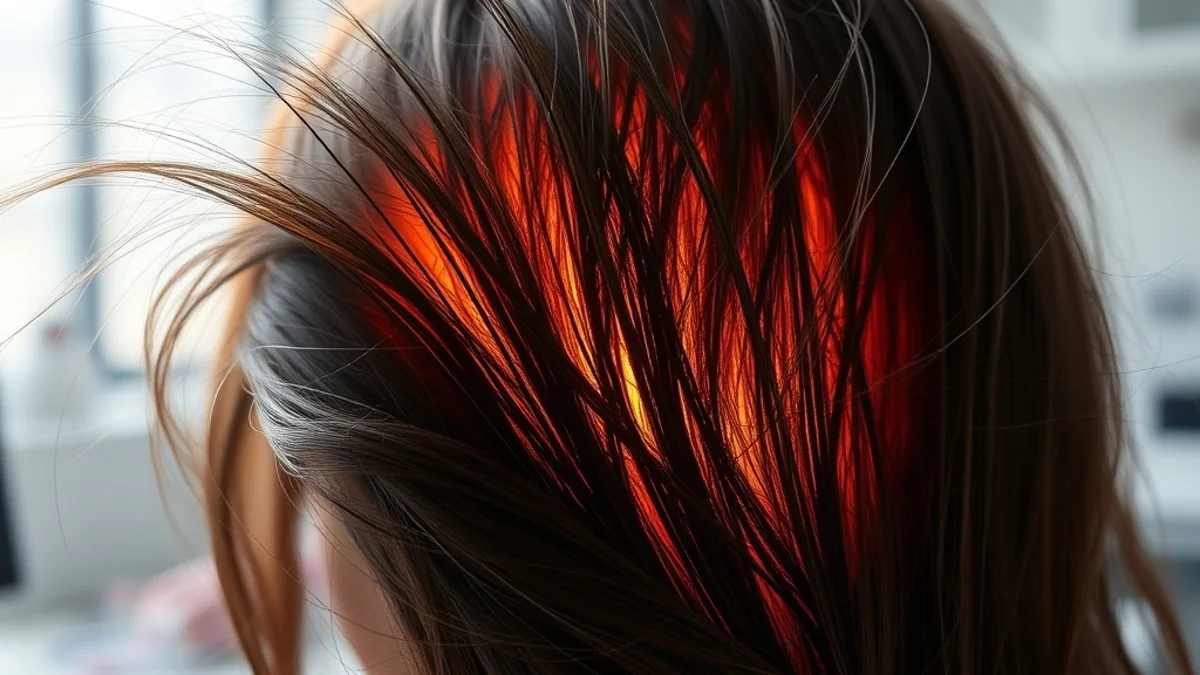
The landscape of hair restoration has evolved dramatically, with innovative serums emerging as pivotal players in the quest for effective hair growth solutions. This editorial guide delves into the mechanisms, efficacy, and clinical applications of the most promising hair growth serums, providing insights into their scientific foundations and therapeutic potential.
Mechanisms of Action: Understanding Growth Factors and Their Role in Hair Follicle Regeneration
Growth factors are proteins that play a crucial role in cellular communication and tissue regeneration. In the context of hair growth, these molecules stimulate various biological processes, including cell proliferation, angiogenesis, and the modulation of inflammatory responses. Key growth factors such as Vascular Endothelial Growth Factor (VEGF), Platelet-Derived Growth Factor (PDGF), and Fibroblast Growth Factor (FGF) have been identified as critical players in hair follicle development and cycling. By promoting the transition of hair follicles from the telogen (resting) phase to the anagen (growth) phase, these factors can significantly enhance hair density and thickness.
Recent advancements in biotechnology have enabled the formulation of serums that deliver these growth factors directly to the scalp. For instance, serums enriched with exosomes—extracellular vesicles that facilitate intercellular communication—have shown promise in enhancing the efficacy of traditional growth factor therapies. The precise delivery of these bioactive molecules ensures targeted action, maximizing the potential for hair restoration.
Photobiomodulation: The Science Behind Low-Level Light Therapy for Hair Growth
Low-level light therapy (LLLT) has gained traction as a non-invasive treatment modality for hair loss. This technique utilizes specific wavelengths of light to stimulate cellular activity within the hair follicles. The underlying mechanism involves the absorption of photons by mitochondrial chromophores, leading to increased adenosine triphosphate (ATP) production. Enhanced ATP levels promote cellular metabolism and proliferation, thereby supporting hair follicle health.
Clinical studies have demonstrated that LLLT can significantly improve hair density and thickness in both men and women experiencing androgenetic alopecia. The application of LLLT in conjunction with topical serums may yield synergistic effects, amplifying the overall therapeutic outcome. As researchers continue to explore optimal wavelengths and treatment protocols, LLLT stands at the forefront of innovative hair restoration strategies.
Exosomal Therapy: Harnessing Cellular Communication for Enhanced Hair Regeneration
Exosomes, nanoscale extracellular vesicles secreted by various cell types, are emerging as a revolutionary approach in regenerative medicine. In the realm of trichology, exosomal therapy leverages the natural signaling properties of these vesicles to promote hair follicle regeneration. By facilitating the transfer of proteins, lipids, and genetic material, exosomes can modulate the behavior of target cells, including dermal papilla cells and keratinocytes.
Recent studies have highlighted the potential of exosome-enriched serums to enhance hair growth by activating follicular stem cells and promoting angiogenesis. The ability of exosomes to deliver a complex cargo of bioactive molecules positions them as a powerful adjunct to traditional hair growth treatments. As clinical trials continue to validate their efficacy, exosomal therapy may redefine the standards of care in hair restoration.
Patient Selection and Contraindications: Tailoring Treatments for Optimal Outcomes
Effective hair restoration requires a thorough understanding of patient-specific factors that influence treatment outcomes. Comprehensive assessments should include a detailed medical history, scalp evaluation, and an analysis of hair loss patterns. Patients with androgenetic alopecia, alopecia areata, or telogen effluvium may benefit from different therapeutic approaches, necessitating tailored treatment plans.
Contraindications for certain hair growth serums may include active scalp infections, autoimmune disorders, or hypersensitivity to specific ingredients. Additionally, patients undergoing certain medications or therapies that affect hair growth should be carefully evaluated. By considering these factors, clinicians can optimize treatment efficacy while minimizing the risk of adverse effects.
Comparative Efficacy: Analyzing Clinical Outcomes of Leading Hair Growth Serums
A comparative analysis of the clinical efficacy of various hair growth serums reveals significant differences in outcomes based on active ingredients and delivery mechanisms. For instance, serums containing minoxidil have long been the gold standard for androgenetic alopecia, demonstrating robust clinical efficacy in promoting hair regrowth. However, emerging formulations that incorporate growth factors and exosomes are showing comparable, if not superior, results.
Clinical trials assessing the longevity of results indicate that while traditional treatments may require ongoing application to maintain results, innovative serums with exosomal and growth factor components may offer prolonged effects with less frequent application. As the field of trichology continues to evolve, it is imperative for clinicians to stay abreast of these developments to provide patients with the most effective and scientifically validated treatment options.
In conclusion, the integration of advanced therapeutic modalities such as growth factors, low-level light therapy, and exosomal treatments represents a paradigm shift in the management of hair loss. As research progresses, the potential for personalized, effective hair restoration therapies will only expand, offering hope to those seeking to reclaim their hair and confidence.
To stay informed on modern bond repair chemistry, peptide innovations, and clinical trichological research, continue reading our Clinical Hair Science section below.