
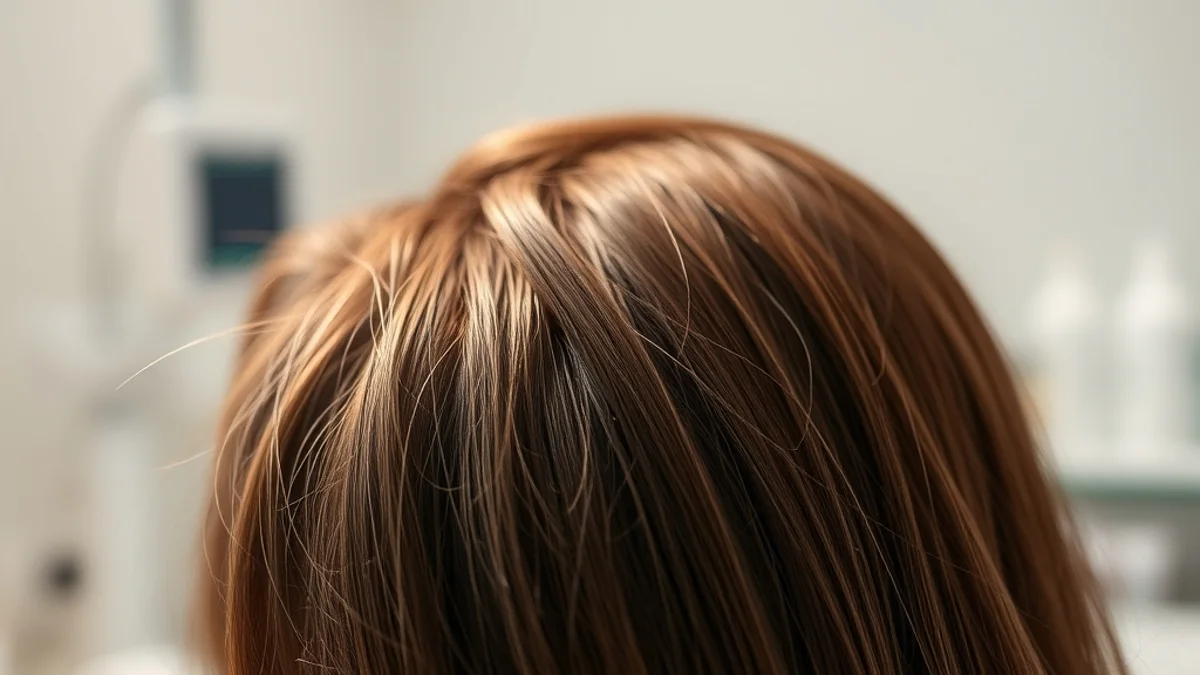
In the realm of hair restoration, understanding the delicate balance of the scalp microbiome and its impact on hair health is paramount. Dr. Sharon A. Keene, M.D., sheds light on non-surgical hair restoration options that focus on optimizing scalp conditions, particularly for individuals grappling with scalp inflammation, dandruff, seborrheic dermatitis, or psoriasis. This editorial guide delves into the intricate relationship between scalp health and hair restoration, emphasizing practical strategies for maintaining a balanced scalp microbiome and robust follicular barrier integrity.
Understanding Malassezia Colonization and Sebum Oxidation
The scalp is home to a diverse microbiome, with Malassezia yeast being a predominant organism. This fungus thrives on sebum, the oily substance produced by sebaceous glands, which can lead to an overgrowth in individuals with oily scalps. Malassezia colonization is often implicated in conditions like dandruff and seborrheic dermatitis, where inflammation and irritation manifest as flaking and redness. The oxidation of sebum, particularly when exposed to environmental stressors, can exacerbate these conditions, leading to a compromised scalp barrier. Effective management strategies involve using antifungal agents and formulations that inhibit Malassezia growth while promoting a balanced scalp environment.
Active Surfactants, pH Balancing, and Clarifying Rhythms
The choice of surfactants in hair care formulations plays a crucial role in maintaining scalp health. Gentle, sulfate-free surfactants can help cleanse the scalp without stripping essential oils, thus preserving the integrity of the scalp barrier. pH balance is equally important; a scalp pH of 4.5 to 5.5 is optimal for maintaining microbial balance and preventing pathogenic overgrowth. Incorporating clarifying shampoos periodically can remove product buildup and excess sebum, but these should be used judiciously to avoid disrupting the scalp’s natural barrier. Establishing a clarifying rhythm—such as once every two weeks—can help maintain scalp health without compromising the microbiome.
Incorporating Anti-Inflammatory Botanicals and Peptide Formulations
Botanical extracts and peptides have gained traction in scalp care due to their anti-inflammatory properties. Ingredients such as chamomile, aloe vera, and green tea are known for their soothing effects on irritated scalps. These botanicals can help mitigate inflammation associated with seborrheic dermatitis and psoriasis, promoting a healthier scalp environment conducive to hair growth. Additionally, peptides such as copper tripeptide-1 have shown promise in enhancing follicular health by stimulating cellular repair and promoting collagen synthesis. Formulations that combine these ingredients can provide a multifaceted approach to scalp care, addressing both inflammation and microbiome balance.
Implementing Clinical Wash Protocols for Follicular Longevity
Establishing a clinical wash protocol is essential for individuals seeking to enhance follicular longevity and overall scalp health. This protocol should include a tailored regimen that considers the individual’s scalp condition, hair type, and lifestyle. For instance, those with oily scalps may benefit from more frequent washes using targeted antifungal shampoos, while individuals with dry scalps might require moisturizing formulations that prevent further irritation. Incorporating scalp massages during washing can enhance circulation, promoting nutrient delivery to hair follicles. Furthermore, integrating leave-on treatments that contain probiotics or prebiotics can help restore and maintain a healthy scalp microbiome post-wash.
Exploring the Future of Scalp Microbiome Therapies
The future of hair restoration lies in the continued exploration of scalp microbiome therapies. As research advances, we are beginning to understand the complex interactions between scalp health and hair growth. Emerging treatments that focus on restoring microbial balance, such as topical probiotics, show promise in mitigating scalp disorders and enhancing hair restoration outcomes. Personalized approaches that consider individual microbiome profiles may soon become the standard in trichological practice, allowing for more effective and tailored interventions. As we move forward, the integration of scientific research into clinical practice will be vital for achieving optimal scalp health and hair restoration results.
To discover advanced scalp microbiome therapies, anti-dandruff solutions, and follicular care guides, continue browsing our Scalp Care & Health section below.