
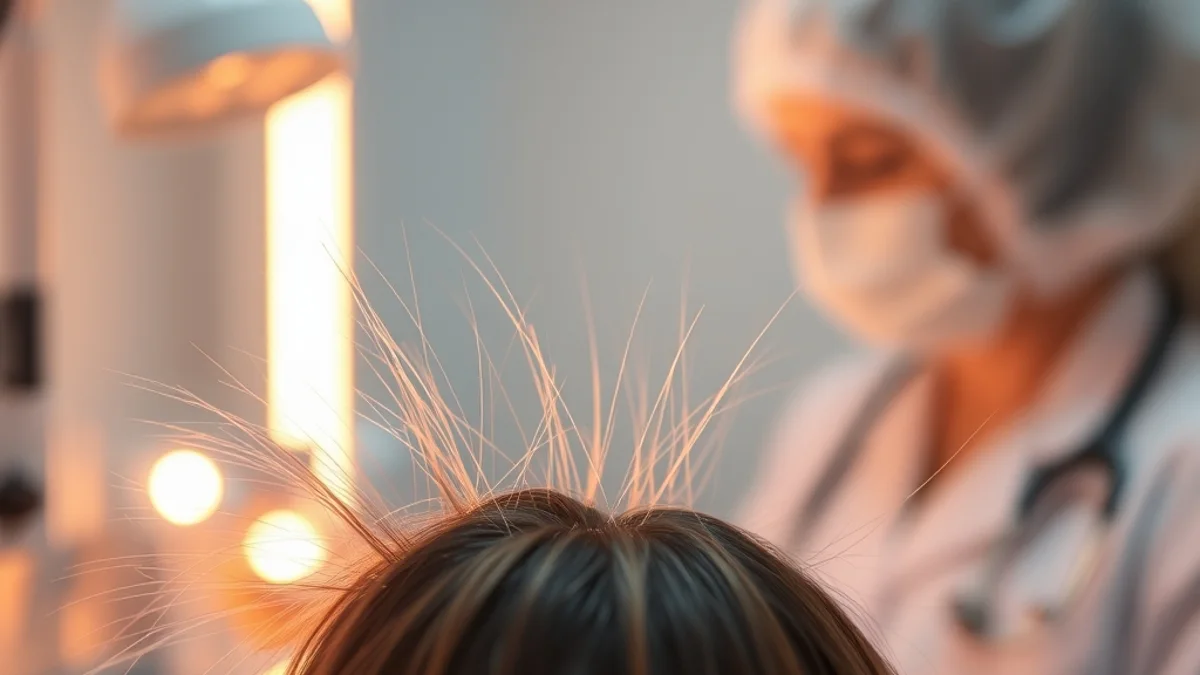
The experimental electric comb, designed to deliver low-level laser therapy (LLLT), targets the biological mechanisms underlying hair loss, particularly androgenetic alopecia and telogen effluvium. By stimulating hair follicles and increasing blood circulation, this innovative device may offer a non-invasive alternative to traditional treatments, potentially mitigating follicular miniaturization and promoting regrowth.
Follicular Miniaturization and DHT Receptors
Androgenetic alopecia (AGA) is characterized by the progressive miniaturization of hair follicles, primarily influenced by dihydrotestosterone (DHT). This potent androgen binds to androgen receptors in susceptible hair follicles, leading to a shortening of the anagen phase and a lengthening of the telogen phase. Consequently, hair strands become thinner and shorter, ultimately resulting in hair loss. The electric comb’s mechanism may counteract this process by enhancing cellular metabolism and promoting follicular health through targeted stimulation.
Research indicates that LLLT can modulate the expression of genes involved in follicular development and hair cycling. Specifically, it may upregulate vascular endothelial growth factor (VEGF) and fibroblast growth factor (FGF), both critical for angiogenesis and follicular regeneration. By utilizing the electric comb, patients may experience a reduction in DHT’s detrimental effects, allowing for a healthier hair growth cycle.
Clinical Trial Outcomes and Regrowth Timelines
Recent clinical trials assessing the efficacy of LLLT devices, including the electric comb, have shown promising results. In a randomized, double-blind study involving participants with AGA, those using the electric comb reported a significant increase in hair density and thickness compared to the placebo group. The treatment duration varied, but noticeable improvements were typically observed within 12 to 24 weeks of consistent use.
Participants noted not only a subjective improvement in hair fullness but also objective measurements of hair count, with some studies reporting an increase of up to 30% in hair density. These findings suggest that the electric comb may serve as a valuable adjunct to existing therapies, particularly for patients seeking non-invasive options. However, individual responses can vary, and adherence to the treatment regimen is crucial for optimal outcomes.
Therapeutic Synergy Between Topicals and Oral Agents
The integration of the electric comb into a comprehensive hair restoration protocol may enhance the efficacy of topical and oral treatments. For instance, combining LLLT with minoxidil, a well-established topical agent, could yield synergistic effects. Minoxidil acts by prolonging the anagen phase and increasing follicular size, while the electric comb may improve scalp circulation and nutrient delivery, thereby maximizing the therapeutic benefits.
Moreover, oral finasteride, which inhibits the conversion of testosterone to DHT, can be effectively paired with LLLT. This combination addresses multiple pathways involved in hair loss, potentially leading to superior clinical outcomes. Patients should consult with their healthcare providers to develop a personalized regimen that considers their specific hair loss pattern and treatment goals.
Long-Term Maintenance and Shedding Expectations
Understanding the long-term maintenance of hair regrowth achieved through the electric comb is essential for patient satisfaction and adherence. While initial results may be encouraging, sustained use is often necessary to maintain hair density and prevent regression. Patients should be informed that shedding may occur during the initial stages of treatment, a phenomenon often referred to as “shedding phase.” This transient loss can be attributed to the hair follicles transitioning from a resting state to an active growth phase.
To optimize long-term results, patients are advised to continue using the electric comb as part of their daily routine, alongside any prescribed topical or oral treatments. Regular follow-up appointments with a trichologist can help monitor progress, adjust treatment protocols, and address any concerns regarding shedding or hair density. Education on realistic expectations and the importance of consistency can empower patients in their hair restoration journey.
In conclusion, the experimental electric comb represents a promising advancement in the field of trichology, offering a novel approach to combat hair loss. By understanding the underlying mechanisms of follicular miniaturization and the potential for synergistic treatment strategies, patients can make informed decisions about their hair restoration options. As research continues to evolve, the integration of innovative technologies like the electric comb may redefine the landscape of hair loss management.
For more evidence-based protocols on androgenetic alopecia, minoxidil strategies, and clinical hair restoration, explore our Hair Loss & Regrowth section below.