
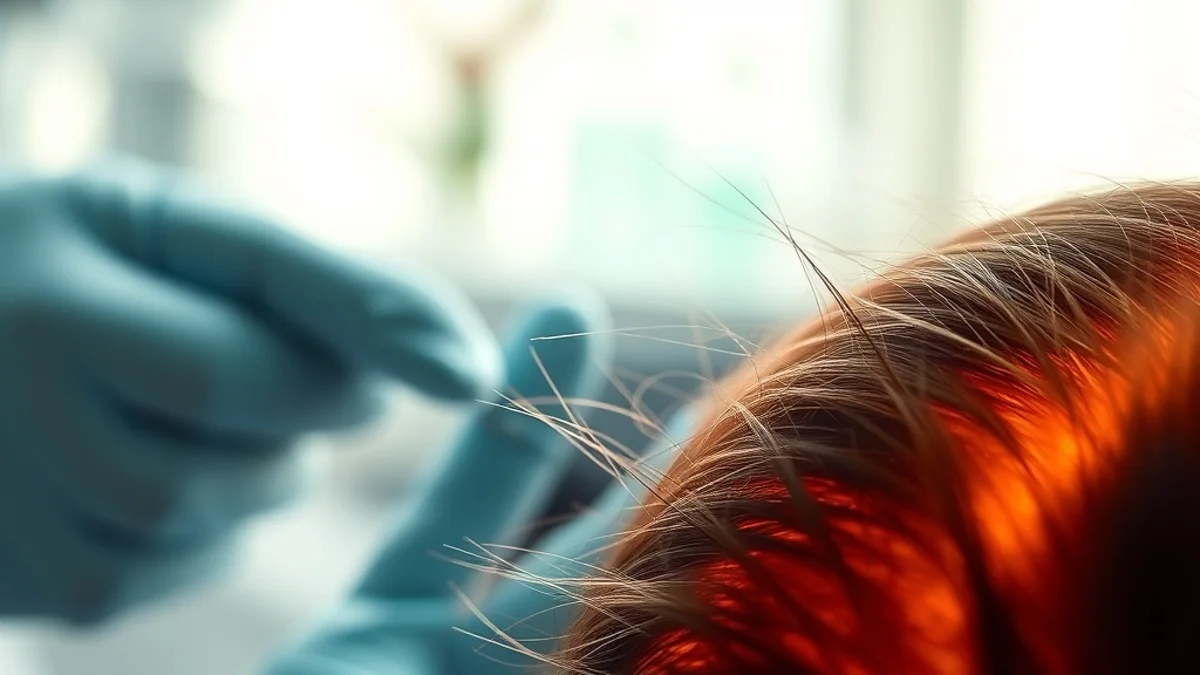
The post-festival period often reveals the toll that environmental stressors, dietary changes, and hormonal fluctuations can take on skin and hair health. Understanding the biochemical underpinnings of these changes is crucial for effective recovery and restoration. This guide delves into the hormonal and micronutrient factors that contribute to hair thinning, particularly in the wake of festive indulgences.
Serum Ferritin Thresholds and Follicular Cycling
Ferritin, a protein that stores iron, plays a pivotal role in hair follicle cycling. Low serum ferritin levels are clinically associated with telogen effluvium, a condition characterized by increased hair shedding. Research indicates that ferritin levels below 70 ng/mL can disrupt the anagen (growth) phase of hair follicles, leading to accelerated shedding. This is particularly relevant post-festival when dietary iron intake may be suboptimal due to irregular eating patterns or the consumption of low-iron foods. To mitigate this, a focus on iron-rich foods such as lean meats, legumes, and fortified cereals is essential. Additionally, supplementation with ferrous sulfate may be warranted in cases of diagnosed deficiency, but should always be approached with caution and under clinical supervision to avoid iron overload.
Thyroid Hormones (T3/T4) and Anagen Phase Regulation
The thyroid gland significantly influences hair growth through the regulation of metabolic processes. Thyroid hormones, particularly triiodothyronine (T3) and thyroxine (T4), are crucial for maintaining the anagen phase of hair follicles. Post-festival stressors, including sleep deprivation and dietary imbalances, can lead to dysregulation of thyroid function. Hypothyroidism, characterized by low levels of T3 and T4, is often linked to hair thinning. Clinicians should assess thyroid function through comprehensive panels, including TSH, free T3, and free T4, especially in individuals presenting with hair loss following high-stress periods. Ensuring adequate intake of iodine, selenium, and zinc—nutrients essential for thyroid hormone synthesis—can support optimal thyroid function and, by extension, hair health.
Evidence-Based Supplementation vs. Biotin Myths
Biotin, often touted as a miracle supplement for hair health, has garnered significant attention; however, its efficacy is often overstated. While biotin deficiency can lead to hair loss, it is relatively rare in the general population. Evidence suggests that supplementation with biotin does not significantly improve hair growth in individuals with normal biotin levels. Instead, a more holistic approach to supplementation should focus on a range of micronutrients that support hair health, including vitamins A, C, D, E, and minerals such as zinc and magnesium. For those experiencing hair thinning, a multivitamin tailored to hair health may be more beneficial than isolated biotin supplementation. Clinical evaluation of micronutrient status is essential to guide appropriate supplementation.
Dietary Protein Density and Keratin Synthesis
Keratin, the primary structural protein in hair, relies on adequate dietary protein intake for synthesis and maintenance. Post-festival dietary habits often lead to reduced protein consumption, which can adversely affect hair strength and growth. The amino acids cysteine and methionine, found in high-protein foods such as eggs, fish, and poultry, are particularly important for keratin production. A diet that emphasizes high-quality protein sources not only supports hair structure but also contributes to overall hormonal balance, as protein is vital for the production of hormones that regulate hair growth. Clinicians should encourage individuals to assess their protein intake and consider incorporating a variety of protein sources to optimize hair health.
Cortisol Levels and Hair Follicle Dynamics
Stress is a well-documented factor influencing hair loss, primarily through the elevation of cortisol, the body’s primary stress hormone. Chronic stress can lead to prolonged elevated cortisol levels, which have been shown to disrupt hair follicle cycling and promote hair shedding. The post-festival period often correlates with heightened stress levels, necessitating strategies to manage cortisol. Techniques such as mindfulness, yoga, and adequate sleep can help mitigate stress responses. Furthermore, adaptogenic herbs like ashwagandha and rhodiola rosea may offer supportive benefits in regulating cortisol levels. Clinicians should consider the psychosocial context of hair loss and incorporate stress management strategies into treatment plans.
For targeted nutritional plans, ferritin optimization, and hormone-related shedding insights, continue exploring our Hair Nutrition & Hormones section below.