
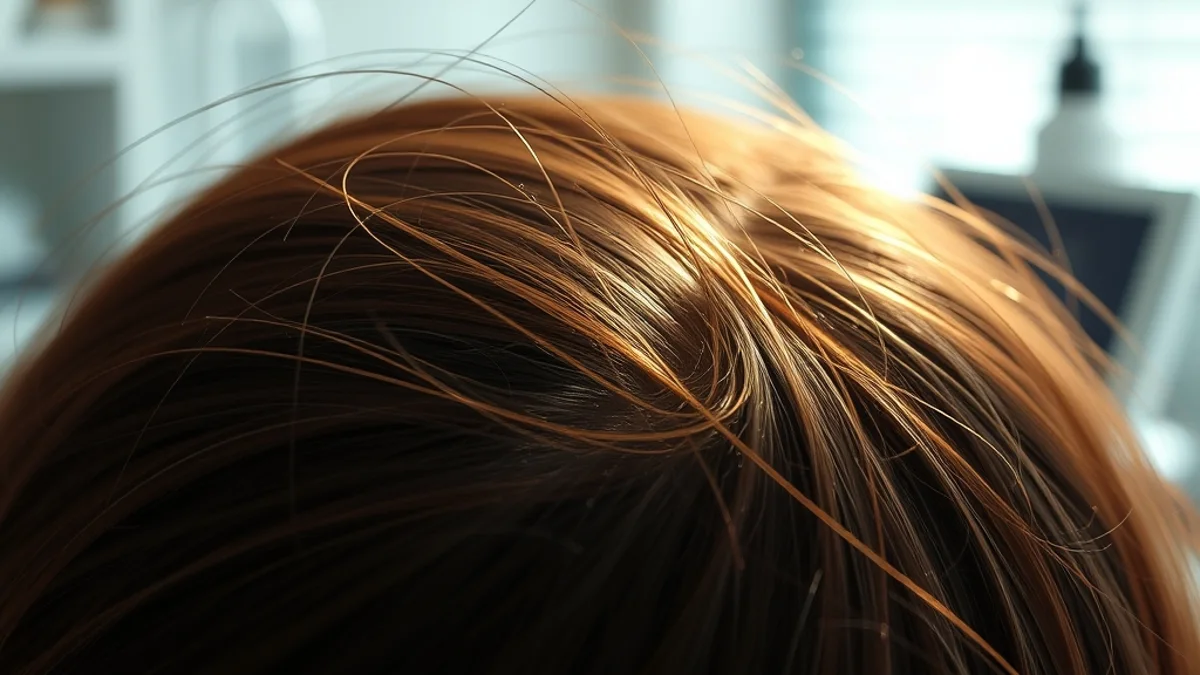
For individuals grappling with scalp inflammation, dandruff, seborrheic dermatitis, or psoriasis, identifying the right dandruff shampoo can be transformative. The ideal formulation not only alleviates symptoms but also promotes a balanced scalp microbiome, regulates sebum production, and maintains the integrity of the follicular barrier. This guide delves into the key components that make a dandruff shampoo effective in soothing an itchy, flaky scalp.
Malassezia Colonization and Sebum Oxidation
The scalp is home to a diverse microbiome, with the yeast Malassezia playing a pivotal role in both health and disease. Under normal circumstances, Malassezia contributes to the scalp’s ecosystem by metabolizing sebum. However, when there is an overgrowth of this yeast, often due to factors such as hormonal fluctuations, stress, or an imbalanced diet, it can lead to increased production of oleic acid, which irritates the scalp and triggers inflammation. This results in the characteristic flakiness and itchiness associated with dandruff and seborrheic dermatitis.
Effective dandruff shampoos often contain active ingredients like zinc pyrithione or ketoconazole, which target Malassezia directly, reducing its colonization and mitigating the inflammatory response. Additionally, formulations that include salicylic acid can help to exfoliate the scalp, removing excess flakes and preventing pore blockage, thus promoting a healthier environment for hair follicles.
Active Surfactants, pH Balancing and Clarifying Rhythms
The choice of surfactants in a dandruff shampoo is crucial for maintaining scalp health. Surfactants not only cleanse the scalp but also influence the skin’s barrier function and microbiome balance. Gentle surfactants, such as cocamidopropyl betaine or decyl glucoside, are preferred as they provide effective cleansing without stripping the scalp of its natural oils, which can exacerbate dryness and irritation.
Moreover, the pH of the shampoo plays a significant role in scalp health. A pH-balanced formula (around 5.5) helps to maintain the scalp’s natural acidity, which is essential for preserving the integrity of the skin barrier and preventing microbial overgrowth. Regular use of pH-balanced shampoos can help restore the scalp’s natural rhythm, allowing for optimal follicular function and reducing the incidence of dandruff.
Anti-Inflammatory Botanical and Peptide Formulations
Incorporating botanical extracts and peptides into dandruff shampoos can significantly enhance their soothing properties. Ingredients such as aloe vera, chamomile, and green tea possess anti-inflammatory and antioxidant properties that can calm irritated skin and promote healing. These natural extracts not only provide immediate relief from itching but also contribute to long-term scalp health by nourishing the skin and supporting its barrier function.
Additionally, peptides like copper tripeptide-1 can aid in tissue repair and regeneration, further enhancing the scalp’s resilience against inflammatory conditions. The synergistic effect of these botanical and peptide formulations can create a holistic approach to managing dandruff, addressing both the symptoms and underlying causes of scalp inflammation.
Clinical Wash Protocols for Follicular Longevity
To maximize the efficacy of a dandruff shampoo, it is essential to follow a clinical wash protocol tailored to individual scalp conditions. This protocol should include recommendations for frequency of use, application techniques, and complementary treatments. For instance, individuals with moderate to severe dandruff may benefit from using a medicated shampoo two to three times a week, allowing for a break with a gentle, hydrating cleanser on off days to maintain moisture levels.
During application, it is advisable to massage the shampoo into the scalp thoroughly, allowing it to sit for several minutes before rinsing. This ensures that active ingredients have adequate time to penetrate the scalp and exert their effects. Following up with a conditioner that contains moisturizing agents can help restore hydration without disrupting the scalp’s microbiome.
In addition to topical treatments, integrating lifestyle modifications such as a balanced diet rich in omega-3 fatty acids and probiotics can support scalp health from within. Staying hydrated and managing stress levels are also crucial components of a comprehensive approach to dandruff management.
In conclusion, selecting the right dandruff shampoo involves understanding the interplay between scalp microbiome balance, sebum regulation, and follicular barrier integrity. By focusing on formulations that address these factors through targeted active ingredients, gentle cleansing agents, and soothing botanicals, individuals can achieve significant relief from itchy, flaky scalp conditions. A holistic approach that combines effective topical treatments with supportive lifestyle changes will further enhance scalp health and longevity.
To discover advanced scalp microbiome therapies, anti-dandruff solutions, and follicular care guides, continue browsing our Scalp Care & Health section below.