
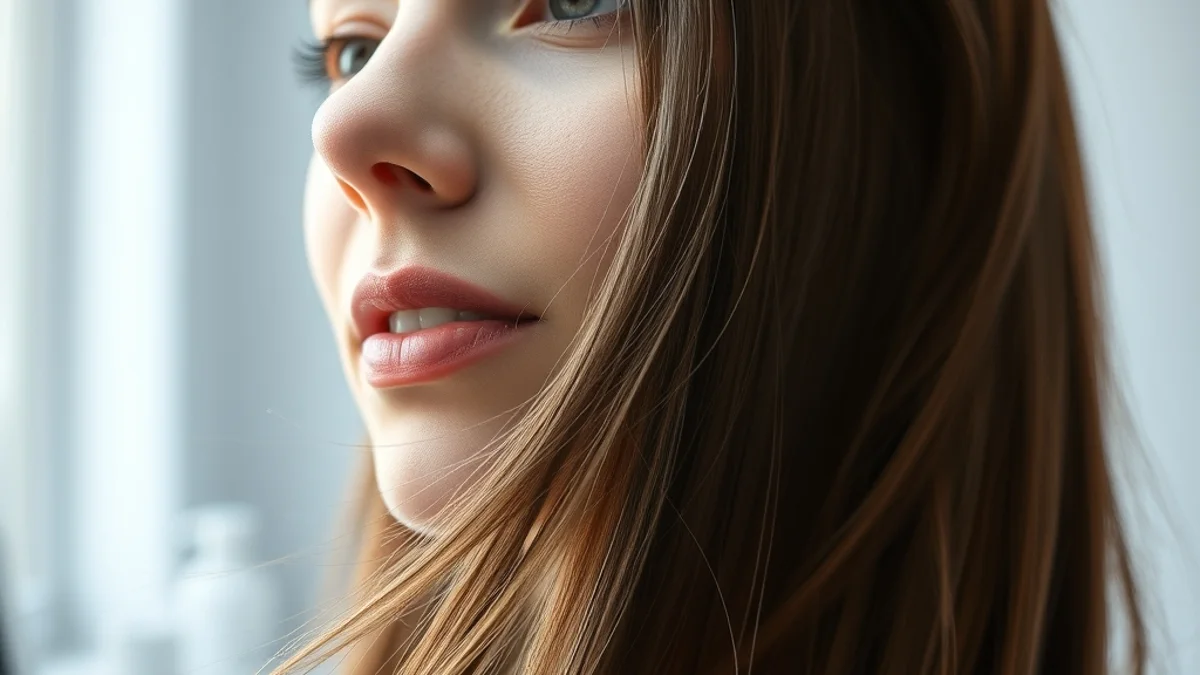
In the realm of trichology, the quest to restore dry and damaged hair has led to innovative treatments that harness the power of bioactive compounds. This editorial guide delves into the seven best hair masks that not only rejuvenate hair but also incorporate advanced clinical insights, ensuring a comprehensive approach to hair health.
Understanding Hair Structure: The Basis for Targeted Treatments
To effectively restore dry and damaged hair, it is essential to understand its structure. Hair is composed primarily of a protein called keratin, which forms the hair shaft and is surrounded by a protective cuticle layer. Damage can occur due to environmental factors, chemical treatments, and mechanical stress, leading to compromised cuticle integrity and loss of moisture. Advanced hair masks target these structural deficiencies by delivering essential nutrients and moisture directly to the hair shaft, promoting repair at a cellular level.
Bioactive Ingredients: The Science Behind Hair Mask Efficacy
Modern hair masks are formulated with a variety of bioactive ingredients that have been shown to penetrate the hair shaft and restore its health. Key components include:
- Hydrolyzed Proteins: These small protein fragments can effectively bind to damaged areas of the hair, reinforcing its structure and enhancing elasticity.
- Natural Oils: Oils such as argan, jojoba, and coconut provide essential fatty acids and vitamins that nourish the hair and scalp, improving moisture retention.
- Humectants: Ingredients like glycerin and aloe vera attract moisture from the environment, helping to hydrate the hair and prevent dryness.
- Peptides: Short chains of amino acids that can stimulate collagen production and enhance the strength of hair follicles.
- Botanical Extracts: Plant-derived compounds that offer antioxidant properties and promote scalp health, which is crucial for hair vitality.
The synergy of these ingredients creates a potent formulation that addresses multiple aspects of hair damage, from structural reinforcement to moisture retention.
Mechanisms of Action: How Hair Masks Restore Health
The effectiveness of hair masks lies in their ability to penetrate the hair shaft and interact with its components. Hydrolyzed proteins and peptides can fill in gaps in the cuticle, while oils and humectants create a protective barrier that locks in moisture. The application of heat during the masking process can further enhance absorption, allowing active ingredients to reach deeper layers of the hair. This multifaceted approach not only restores the appearance of hair but also improves its overall health and resilience against future damage.
Clinical Insights: Evaluating the Best Hair Masks for Restoration
When selecting hair masks, it is crucial to evaluate their clinical efficacy based on ingredient composition, user feedback, and scientific studies. The following masks have garnered attention for their restorative properties:
- Olaplex No. 3 Hair Perfector: Known for its patented bond-building technology, this mask effectively repairs broken disulfide bonds in hair, resulting in improved strength and reduced breakage.
- Moroccanoil Intense Hydrating Mask: Enriched with argan oil and shea butter, this mask provides deep hydration and enhances hair elasticity, making it ideal for dry, brittle hair.
- Kerastase Resistance Masque Force Architecte: This mask focuses on rebuilding the internal structure of damaged hair, utilizing a blend of pro-keratin and ceramides.
- SheaMoisture Raw Shea Butter Restorative Conditioner: A rich blend of shea butter and natural oils, this mask offers intense moisture and nourishment, particularly for coily or curly hair types.
- Redken Extreme Strengthening Mask: Formulated with a blend of proteins and ceramides, this mask strengthens hair while providing essential moisture, making it suitable for chemically treated hair.
These products have been clinically tested and are supported by user testimonials, demonstrating their effectiveness in restoring hair health.
Patient-Centric Considerations: Tailoring Treatments to Individual Needs
When recommending hair masks, it is essential to consider individual hair types, scalp conditions, and specific damage profiles. Patients with color-treated hair may benefit from masks rich in proteins and moisture, while those with naturally curly hair may require more hydrating formulations. Additionally, it is vital to assess any underlying scalp conditions, such as dermatitis or psoriasis, which may necessitate specialized treatments. A thorough consultation can help tailor recommendations, ensuring optimal results for each patient.
In conclusion, the integration of advanced bioactive ingredients into hair masks represents a significant advancement in the field of trichology. By understanding the underlying mechanisms of hair damage and the restorative properties of these formulations, patients can make informed choices about their hair care regimens. As research continues to evolve, the potential for innovative treatments in hair restoration remains promising.
To stay informed on modern bond repair chemistry, peptide innovations, and clinical trichological research, continue reading our Clinical Hair Science section below.