
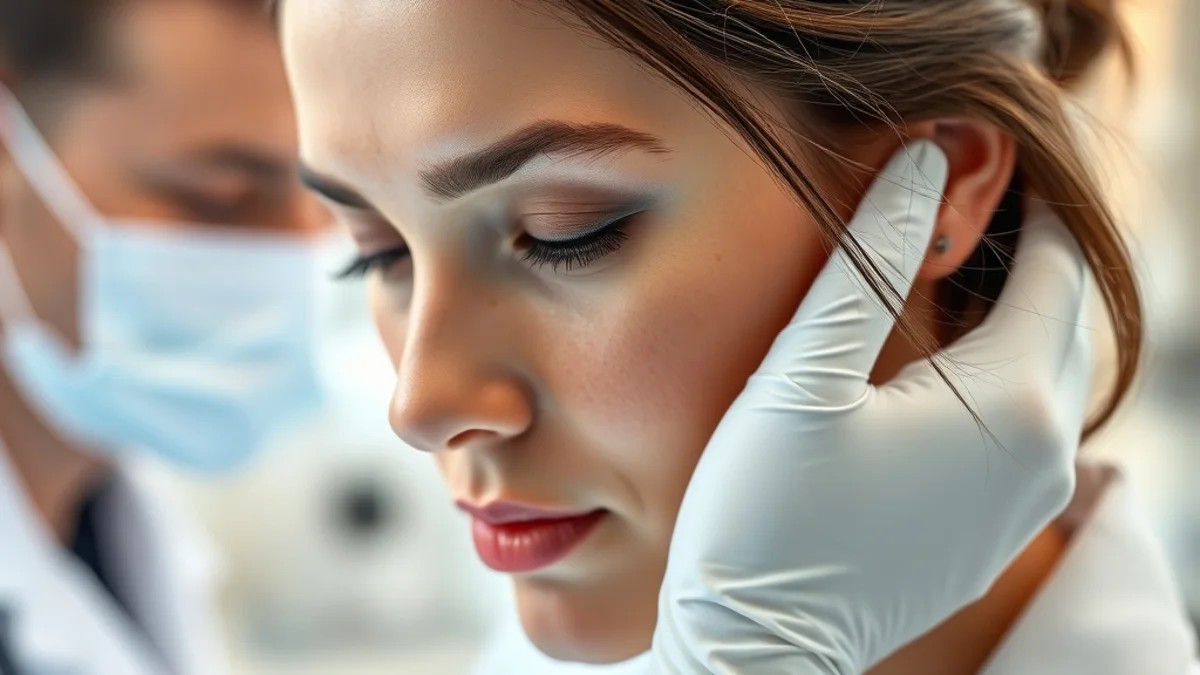
As the landscape of hair restoration continues to evolve, the advent of advanced hair growth serums has emerged as a focal point in clinical trichology. These serums leverage cutting-edge technologies, including low-level light therapy, exosomal treatments, and growth factor applications, to stimulate hair follicles and promote hair regrowth. This comprehensive guide delves into the scientific underpinnings of these innovative therapies, their mechanisms of action, and their clinical efficacy.
Mechanisms of Action: Photobiomodulation and Mitochondrial Activation
Low-level light therapy (LLLT) has garnered attention for its ability to enhance cellular metabolism and promote hair growth through photobiomodulation. This non-invasive technique utilizes specific wavelengths of light to penetrate the scalp, stimulating mitochondrial activity within hair follicle cells. The increased ATP production leads to enhanced cellular respiration, promoting the proliferation of keratinocytes and fibroblasts, which are essential for hair growth.
Clinical studies have demonstrated that LLLT can increase hair density and thickness in both androgenetic alopecia and telogen effluvium patients. The mechanism involves the upregulation of vascular endothelial growth factor (VEGF), which improves blood circulation to the scalp, ensuring that hair follicles receive adequate nutrients and oxygen. Furthermore, LLLT has been shown to reduce inflammation in the scalp, creating a more favorable environment for hair regrowth.
Exosomal Therapy: A Paradigm Shift in Hair Restoration
Exosomes, nano-sized extracellular vesicles secreted by cells, have emerged as a revolutionary approach in hair restoration. These vesicles carry a cargo of proteins, lipids, and RNA that facilitate intercellular communication and modulate cellular responses. In the context of hair growth, exosomes derived from adipose tissue or stem cells have shown promise in activating follicular stem cells and promoting hair follicle regeneration.
Research indicates that exosomal therapy can significantly enhance hair regrowth by delivering growth factors such as fibroblast growth factor (FGF) and insulin-like growth factor (IGF). These factors play crucial roles in the anagen phase of the hair growth cycle, stimulating follicle development and prolonging the growth phase. Clinical trials have reported impressive results, with patients experiencing substantial increases in hair density and improved hair quality following exosomal treatments.
Growth Factors: Targeting the Hair Follicle Microenvironment
Growth factors are pivotal in regulating hair follicle biology and have become integral components of advanced hair growth serums. These proteins, including platelet-derived growth factor (PDGF), vascular endothelial growth factor (VEGF), and epidermal growth factor (EGF), interact with specific receptors on hair follicle cells, initiating signaling cascades that promote cell proliferation, migration, and differentiation.
In clinical settings, serums enriched with growth factors have demonstrated efficacy in treating various forms of hair loss. For instance, PDGF has been shown to enhance the transition of hair follicles from the telogen to anagen phase, effectively reversing hair thinning. Additionally, the synergistic effect of multiple growth factors in formulations can lead to improved outcomes compared to single-factor therapies, making them a promising avenue for patients seeking effective hair restoration solutions.
Patient Selection and Contraindications: Tailoring Treatments for Optimal Outcomes
Effective patient selection is crucial for maximizing the benefits of hair growth serums. Factors such as the underlying cause of hair loss, patient age, and overall health must be considered. For example, individuals with androgenetic alopecia may respond differently to treatments compared to those with alopecia areata or telogen effluvium. A thorough clinical assessment, including a detailed medical history and scalp examination, is essential to tailor the treatment approach.
Contraindications for certain therapies must also be acknowledged. Patients with active scalp infections, inflammatory scalp diseases, or those on medications that may exacerbate hair loss should be approached with caution. Additionally, understanding the potential side effects of therapies, such as scalp irritation or allergic reactions, is vital in managing patient expectations and ensuring safety during treatment.
Comparative Analysis of Efficacy: Clinical Trials and Long-Term Outcomes
The efficacy of hair growth serums can vary significantly based on their active ingredients and delivery methods. Comparative studies have evaluated the effectiveness of LLLT, exosomal therapy, and growth factor serums, revealing that combination therapies often yield the most favorable outcomes. For instance, a recent clinical trial demonstrated that patients receiving a combination of LLLT and growth factor serums experienced a 70% increase in hair density compared to a 30% increase with LLLT alone.
Long-term outcomes are also a critical consideration. While many patients report initial improvements, sustaining these results requires ongoing treatment and adherence to recommended protocols. Understanding the biological mechanisms of each therapy and their synergistic effects can help clinicians develop personalized treatment plans that optimize hair regrowth and maintain results over time.
To stay informed on modern bond repair chemistry, peptide innovations, and clinical trichological research, continue reading our Clinical Hair Science section below.