
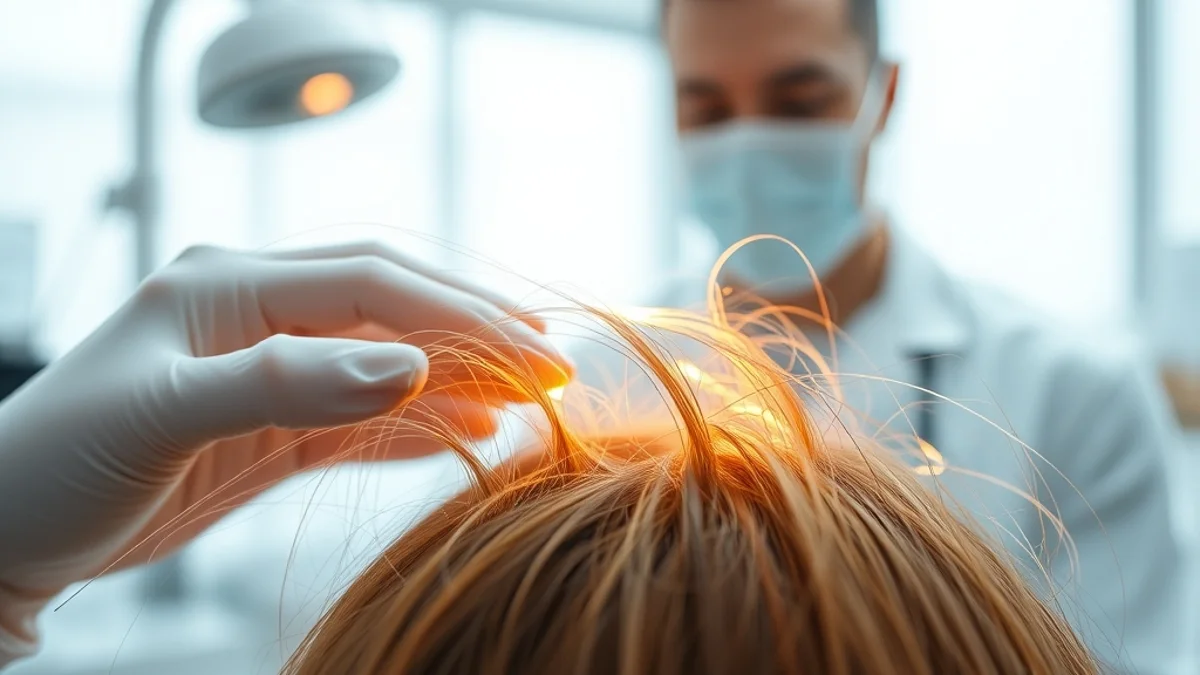
The complexities of hair loss necessitate a nuanced understanding of its various manifestations—hair fall, thinning, and breakage. Each condition arises from distinct biological mechanisms, such as follicular miniaturization in androgenetic alopecia or stress-induced telogen effluvium, underscoring the importance of tailored treatment approaches.
Follicular Miniaturization and DHT Receptors
Androgenetic alopecia (AGA) is characterized by the progressive miniaturization of hair follicles, primarily driven by dihydrotestosterone (DHT). This potent androgen binds to androgen receptors in genetically predisposed hair follicles, leading to a reduction in hair diameter and density. The process begins with a shortening of the anagen phase, resulting in thinner, weaker hair strands. Over time, the affected follicles may enter a prolonged telogen phase, ultimately leading to hair loss. Understanding this mechanism is crucial for developing effective interventions, as treatments targeting DHT can halt or even reverse the miniaturization process.
Telogen Effluvium: A Reactive Response to Stressors
In contrast to AGA, telogen effluvium is often a temporary condition triggered by physiological or psychological stressors, such as significant illness, hormonal changes, or nutritional deficiencies. This condition is marked by an increased number of hair follicles entering the telogen phase, resulting in diffuse hair shedding. Unlike the localized pattern seen in AGA, telogen effluvium typically presents as overall thinning across the scalp. Clinicians must differentiate between these two conditions to provide appropriate treatment; while AGA requires long-term management strategies, telogen effluvium often resolves with the removal of the triggering stressor.
Clinical Trial Outcomes and Regrowth Timelines
Recent clinical trials have provided valuable insights into the efficacy of various treatment modalities for hair loss. For AGA, minoxidil and finasteride remain the gold standards, demonstrating significant improvements in hair density and patient-reported outcomes. Minoxidil, a topical vasodilator, enhances blood flow to hair follicles, while finasteride inhibits the conversion of testosterone to DHT. Studies reveal that patients may begin to see noticeable regrowth within 12 weeks of initiating treatment, with optimal results typically observed after 6 to 12 months. In cases of telogen effluvium, regrowth timelines can vary significantly based on the underlying cause; however, most patients experience a return to baseline hair density within 6 to 12 months post-stressor removal.
Therapeutic Synergy Between Topicals and Oral Agents
Combining topical and oral treatments can enhance therapeutic outcomes for patients with hair loss. For instance, the concurrent use of minoxidil and finasteride has been shown to yield superior results compared to monotherapy. This synergistic approach addresses both the vascular and hormonal components of hair loss, providing a comprehensive strategy for managing AGA. Additionally, emerging treatments such as low-level laser therapy (LLLT) and platelet-rich plasma (PRP) injections are being investigated for their potential to complement traditional therapies. These modalities may stimulate follicular activity and improve hair quality, although further studies are needed to establish their efficacy and optimal application protocols.
Long-Term Maintenance and Shedding Expectations
Understanding the long-term maintenance of hair health is essential for patients undergoing treatment for hair loss. Both AGA and telogen effluvium can lead to periods of shedding, particularly during the initial phases of treatment as hair follicles transition between growth cycles. Patients should be counseled on the normalcy of shedding during this period, which may be disconcerting but is often a sign of the treatment’s effectiveness. Long-term adherence to prescribed therapies is crucial, as discontinuation can lead to a reversal of gains achieved. Regular follow-ups and scalp assessments can help monitor progress and adjust treatment regimens as necessary, ensuring sustained results.
For more evidence-based protocols on androgenetic alopecia, minoxidil strategies, and clinical hair restoration, explore our Hair Loss & Regrowth section below.