
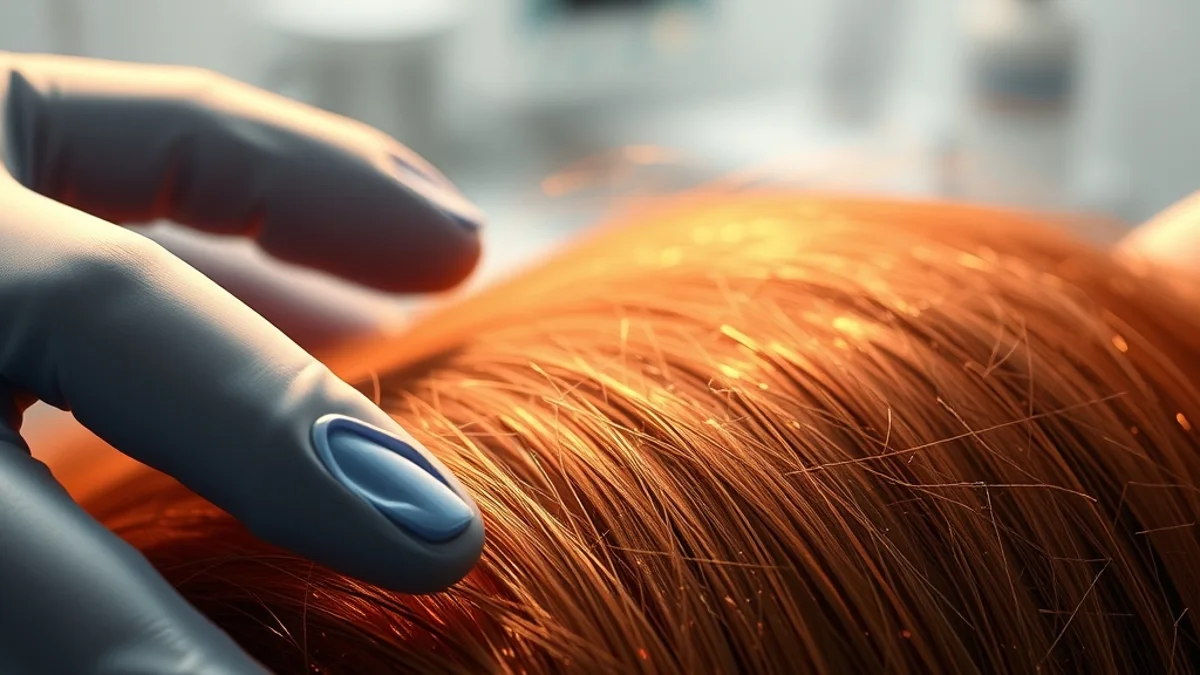
The resurgence of natural oils in the treatment of thinning hair is not merely a nostalgic nod to traditional remedies but a scientifically grounded approach that complements cutting-edge innovations in trichology. As the field evolves with advancements in biotechnology and clinical therapies, oils remain a vital component in holistic hair restoration strategies, offering unique benefits that align with emerging research.
Understanding the Lipid Composition of Hair Oils and Their Role in Follicular Health
Hair oils, derived from various botanical sources, possess complex lipid profiles that contribute significantly to scalp health and hair vitality. These oils, rich in essential fatty acids, antioxidants, and vitamins, can penetrate the hair shaft and scalp, delivering nutrients that promote follicular health. For instance, oils such as argan and jojoba are known for their high levels of oleic and linoleic acids, which help maintain the integrity of the hair cuticle while providing necessary hydration.
Moreover, the anti-inflammatory properties of many oils, such as tea tree and rosemary, can mitigate scalp conditions that contribute to hair thinning, such as seborrheic dermatitis and folliculitis. By addressing inflammation at the follicular level, these oils create a conducive environment for hair growth, thereby enhancing the efficacy of advanced treatments like low-level light therapy (LLLT) and exosomal therapies.
Synergistic Effects of Oils and Low-Level Light Therapy on Hair Follicle Stimulation
Low-level light therapy has gained traction as a non-invasive treatment for androgenetic alopecia and other forms of hair loss. The mechanism involves photobiomodulation, which stimulates mitochondrial activity and increases ATP production in hair follicle cells. When combined with topical oils, the effects can be magnified. Oils can enhance light absorption and improve the penetration of therapeutic wavelengths, leading to more robust cellular responses.
Research indicates that the application of oils prior to LLLT can optimize the treatment’s effectiveness by ensuring that the scalp is well-hydrated and free from barriers that might impede light penetration. This synergy not only boosts hair density but also promotes overall scalp health, making it a compelling option for patients seeking comprehensive solutions to thinning hair.
Exosomal Therapy: Enhancing Follicular Regeneration through Natural Oils
Exosomal therapy represents a revolutionary approach in regenerative medicine, utilizing exosomes derived from stem cells to promote tissue repair and regeneration. These exosomes contain growth factors and signaling molecules that can activate dormant hair follicles and stimulate new hair growth. The incorporation of natural oils into exosomal treatments can further enhance their efficacy.
For example, oils rich in omega-3 fatty acids can modulate inflammatory responses and improve the bioavailability of exosomes at the site of application. This combination not only accelerates the healing process but also supports the activation of follicular stem cells, leading to improved hair density and quality. The dual action of exosomes and oils provides a holistic approach to hair restoration, addressing both the biological and environmental factors contributing to hair loss.
Patient Selection and Tailoring Oil Treatments to Individual Needs
While the benefits of oils in hair restoration are compelling, patient selection is crucial for optimizing outcomes. Factors such as hair loss etiology, scalp condition, and individual responses to treatments must be considered. For instance, patients with oily scalps may benefit from lighter oils, such as grapeseed or safflower oil, which do not clog pores, while those with dry scalps may find richer oils like coconut or avocado oil more beneficial.
Additionally, the timing and method of application can significantly influence results. Patients are encouraged to incorporate oils into their hair care regimen strategically, such as pre-treatment with LLLT or post-exosomal therapy, to maximize absorption and efficacy. Tailoring these treatments to the individual not only enhances satisfaction but also aligns with the principles of personalized medicine in trichology.
Comparative Analysis of Traditional Oils versus Advanced Biotechnological Treatments
In evaluating the efficacy of traditional oils against advanced biotechnological treatments, a multifaceted approach is essential. While oils offer immediate benefits in terms of scalp health and hair appearance, treatments such as exosomal therapy and LLLT provide long-term regenerative effects. Comparative studies reveal that while oils can enhance the scalp environment and support hair health, they may not replace the need for advanced therapies in cases of severe hair loss.
However, the integration of oils into treatment protocols can significantly improve patient outcomes by addressing ancillary issues such as scalp inflammation and dryness, which can undermine the effectiveness of more invasive procedures. A holistic approach that combines the best of both worlds—natural oils and advanced clinical treatments—may yield the most favorable results for patients seeking to combat thinning hair.
To stay informed on modern bond repair chemistry, peptide innovations, and clinical trichological research, continue reading our Clinical Hair Science section below.