
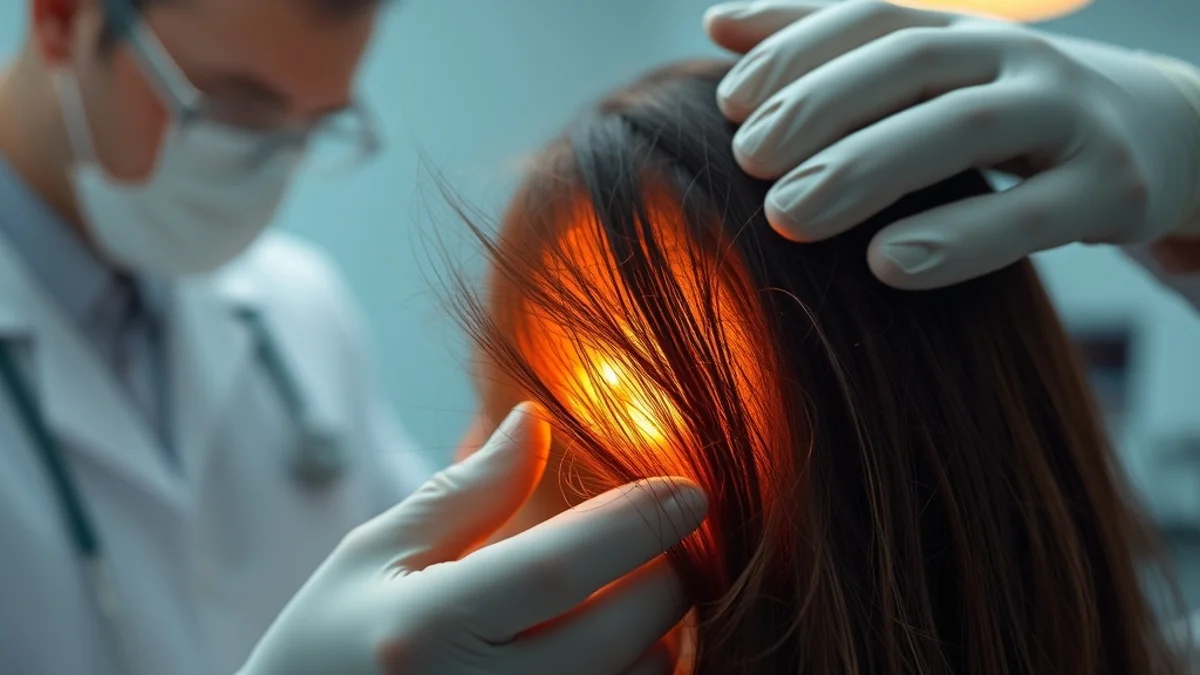
Frizz, scalp issues, and hair loss are prevalent conditions affecting individuals across various demographics, primarily driven by genetic predispositions, environmental factors, and hormonal imbalances. These conditions often stem from disruptions at the follicular level, where hair growth cycles are regulated. Effective treatments can restore hair health and improve scalp conditions, particularly in regions like Singapore, where humidity and climate play significant roles in hair integrity.
Clinical Context and Follicular Biology
Understanding the biological mechanisms behind frizz, scalp health, and hair loss is crucial for developing effective treatment strategies. Frizz occurs when the hair cuticle is raised, allowing moisture to penetrate and swell the hair shaft, leading to an unruly appearance. This is often exacerbated by humidity, chemical treatments, and heat styling. Scalp health is equally vital, as conditions like seborrheic dermatitis or psoriasis can lead to inflammation, affecting hair growth. Hair loss, or alopecia, can be categorized into several types, with androgenetic alopecia being the most common, characterized by a progressive thinning of hair due to genetic and hormonal factors.
At the follicular level, hair growth is regulated by the hair growth cycle, which consists of anagen (growth), catagen (transition), and telogen (resting) phases. Disruptions in this cycle can lead to premature shedding and thinning. Hormones, particularly dihydrotestosterone (DHT), play a significant role in androgenetic alopecia by miniaturizing hair follicles. Understanding these mechanisms is essential for tailoring treatments that target specific issues, whether it be frizz, scalp conditions, or hair loss.
| Condition | Mechanism | Affected Population |
|---|---|---|
| Frizz | Raised cuticle layer allowing moisture absorption | All hair types, particularly curly and coarse |
| Scalp Issues | Inflammation and microbial imbalance affecting follicles | Individuals with oily or dry scalp conditions |
| Hair Loss | DHT-induced follicle miniaturization | Predominantly men and post-menopausal women |
Clinical Efficacy and Active Ingredient Interactions
When addressing frizz, scalp conditions, and hair loss, various treatments exhibit differing levels of clinical efficacy. For frizz control, products containing silicones, oils, and humectants can provide immediate smoothing effects but may not address underlying hair health. In contrast, scalp treatments often utilize active ingredients like ketoconazole, which has antifungal properties, and salicylic acid, which helps exfoliate and reduce inflammation. These ingredients can improve scalp conditions, creating a healthier environment for hair growth.
For hair loss, FDA-approved treatments such as minoxidil and finasteride have demonstrated significant efficacy in clinical trials. Minoxidil works by prolonging the anagen phase and increasing blood flow to hair follicles, while finasteride acts as a DHT inhibitor, preventing further hair loss. Additionally, newer formulations incorporating peptides and growth factors are emerging, showing promise in stimulating hair growth and improving follicular health. However, it is essential to consider potential side effects and interactions with other treatments, particularly in patients with sensitive skin or those using multiple products.
Trade-offs exist with each treatment option. While topical treatments can be effective, they often require consistent application and may take several months to show results. Oral medications, while more systemic, can have side effects that necessitate careful monitoring. Therefore, a comprehensive understanding of each treatment’s mechanism, efficacy, and potential interactions is critical for clinicians and patients alike.
Step-by-Step Trichological Action Plan
Implementing an effective hair care regimen requires a structured approach tailored to individual needs. For frizz management, begin with a sulfate-free shampoo to maintain moisture levels, followed by a hydrating conditioner. Incorporate leave-in conditioners or serums containing silicones or oils to seal the cuticle and provide a protective barrier against humidity. Regular deep conditioning treatments every two weeks can further enhance moisture retention and reduce frizz.
For scalp health, establish a routine that includes gentle exfoliation with products containing salicylic acid or tea tree oil to remove buildup and reduce inflammation. Follow with a soothing scalp treatment that contains ingredients like aloe vera or chamomile to calm irritation. It is advisable to perform scalp treatments at least once a week to maintain a healthy environment for hair growth.
When addressing hair loss, initiate treatment with minoxidil, applying it directly to the scalp twice daily. For those considering oral medications like finasteride, a consultation with a healthcare provider is essential to discuss potential benefits and risks. Regular follow-ups every three to six months can help assess treatment efficacy and make necessary adjustments. Additionally, incorporating a balanced diet rich in vitamins and minerals, particularly biotin, zinc, and omega-3 fatty acids, can support overall hair health.
Frequently Asked Questions
What is the best treatment for frizz?
The best treatment for frizz typically includes a combination of hydrating shampoos, conditioners, and leave-in products that contain silicones or oils to smooth the hair cuticle and lock in moisture.
How can I improve my scalp health?
Improving scalp health can be achieved through regular exfoliation, using gentle shampoos, and applying soothing treatments that contain anti-inflammatory ingredients like aloe vera or tea tree oil.
Are there effective treatments for hair loss?
Yes, effective treatments for hair loss include FDA-approved options like minoxidil and finasteride, as well as newer formulations with peptides and growth factors that can stimulate hair growth and improve follicular health.
To stay informed on modern bond repair chemistry, peptide innovations, and clinical trichological research, continue reading our Clinical Hair Science section below.