
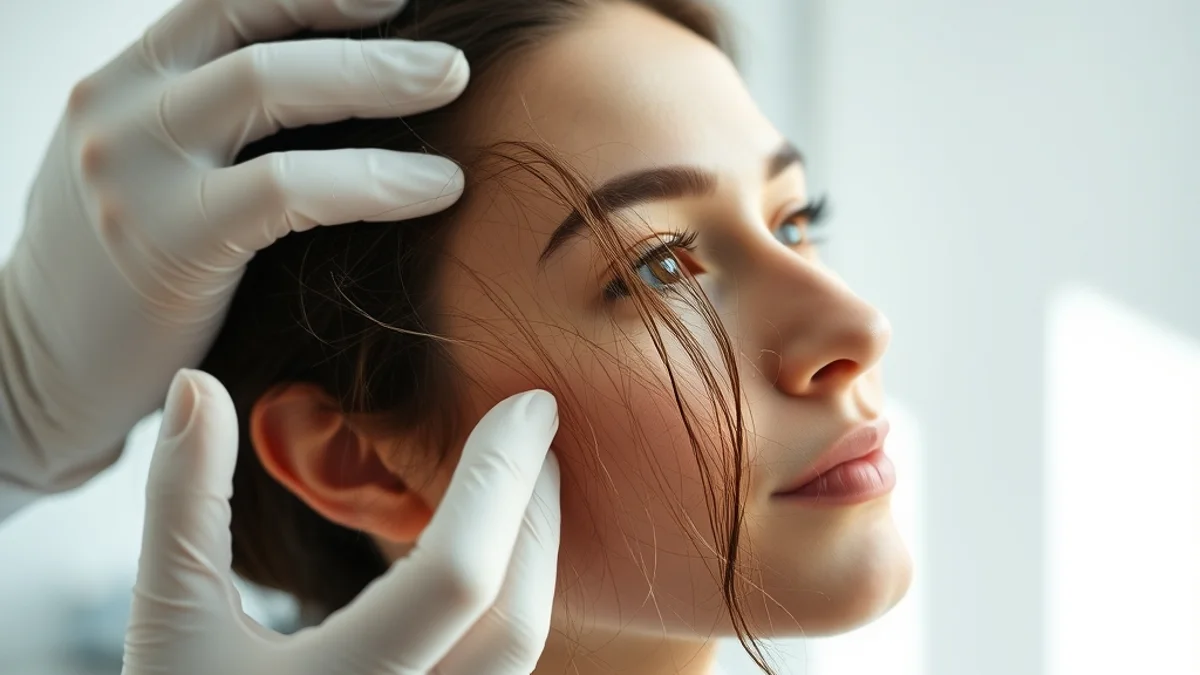
The pathophysiology of hair loss, particularly in conditions like androgenetic alopecia and telogen effluvium, involves complex biological mechanisms such as follicular miniaturization and dysregulation of growth factors. Recent collaborations, such as Indero’s support for Pelage Pharmaceuticals, are advancing clinical programs aimed at elucidating these mechanisms and developing effective therapeutic interventions.
Follicular Miniaturization and DHT Receptors
Androgenetic alopecia (AGA) is characterized by the progressive miniaturization of hair follicles, primarily influenced by dihydrotestosterone (DHT). DHT, a potent androgen derived from testosterone via the enzyme 5-alpha reductase, binds to androgen receptors located in the hair follicle dermal papilla. This interaction triggers a cascade of biological events leading to the shortening of the anagen phase and the prolongation of the telogen phase, ultimately resulting in thinner, shorter hair strands. The understanding of this mechanism has propelled research into pharmacological interventions that can inhibit DHT’s effects, thereby preserving hair density and promoting regrowth.
Clinical Trial Outcomes and Regrowth Timelines
Recent clinical trials investigating the efficacy of novel compounds in hair loss treatments have shown promising results. Indero’s collaboration with Pelage Pharmaceuticals is focused on a multi-faceted approach that includes both topical and systemic therapies. For instance, studies have demonstrated that the combination of minoxidil and finasteride can yield superior outcomes compared to monotherapy, with patients experiencing visible regrowth within 12 to 24 weeks. Moreover, ongoing trials are assessing the safety and efficacy of newer agents that target the underlying genetic and hormonal pathways involved in AGA, potentially offering patients faster and more sustainable results.
Therapeutic Synergy Between Topicals and Oral Agents
The integration of topical and oral agents in hair loss treatment regimens has emerged as a key strategy in clinical practice. Topical minoxidil, a well-established treatment, acts as a vasodilator and promotes hair follicle stimulation. When used in conjunction with oral finasteride, which reduces DHT levels, the synergistic effect can enhance hair density and improve patient outcomes. Indero’s support for Pelage Pharmaceuticals is particularly significant as they explore innovative formulations that combine these modalities, potentially leading to more effective and patient-friendly treatment options. The dual approach not only addresses the symptoms of hair loss but also targets its root causes, offering a comprehensive solution.
Long-Term Maintenance and Shedding Expectations
Understanding the long-term maintenance of hair regrowth is critical for patients undergoing treatment for hair loss. It is essential to set realistic expectations regarding shedding, particularly during the initial phases of therapy. Telogen effluvium, a common phenomenon where existing hair sheds to make way for new growth, can occur as a response to the introduction of new treatments. Patients should be counseled that initial shedding may precede visible regrowth, often occurring within the first three months of treatment. Long-term maintenance typically requires ongoing use of therapeutic agents, as discontinuation can lead to a reversal of gains achieved. Regular follow-up appointments and adherence to prescribed regimens are vital for sustaining hair health.
As Indero and Pelage Pharmaceuticals continue to advance their clinical programs, the landscape of hair loss treatment is evolving. The integration of innovative research with established therapeutic modalities holds promise for patients seeking effective solutions for hair thinning and loss. By focusing on the biological underpinnings of hair loss and fostering collaborative research efforts, we can pave the way for more effective, individualized treatment strategies.
For more evidence-based protocols on androgenetic alopecia, minoxidil strategies, and clinical hair restoration, explore our Hair Loss & Regrowth section below.