
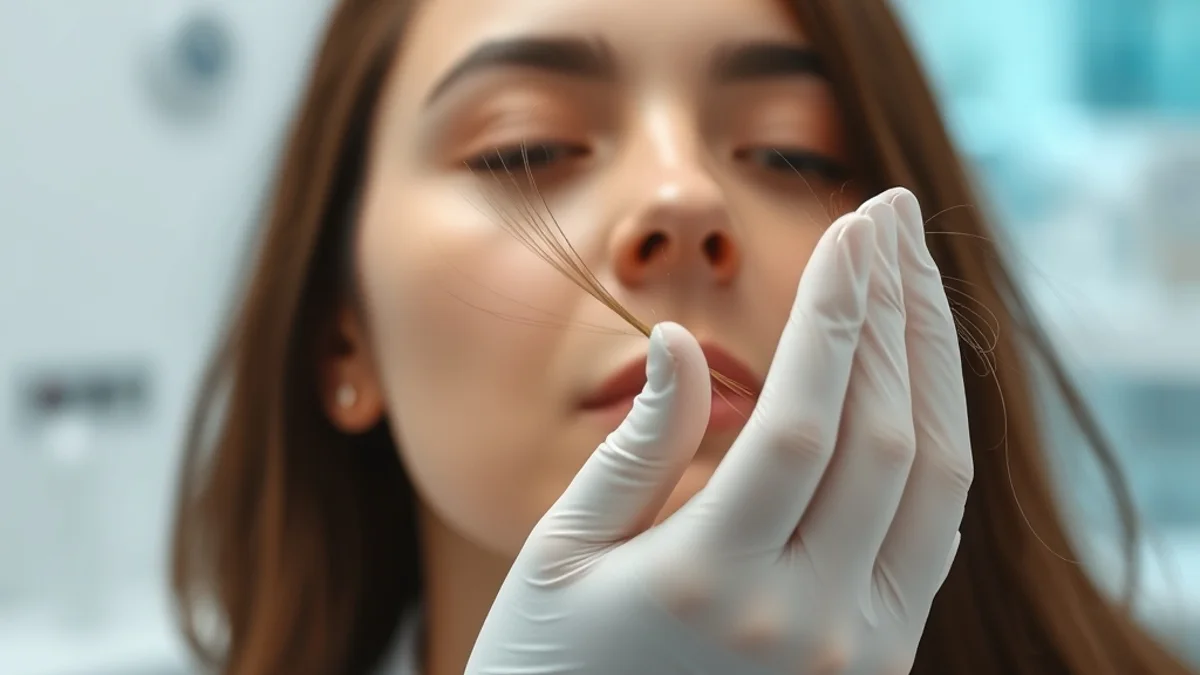
The quest for healthy hair often leads individuals to explore various treatments, particularly hair masks designed to restore moisture and vitality to dry and damaged strands. This editorial guide delves into the scientific underpinnings of the most effective hair masks, focusing on their active ingredients and mechanisms of action. By understanding these elements, patients can make informed choices about their hair care regimens.
## The Role of Lipid Barrier Restoration in Hair Health
The hair shaft is composed primarily of keratin, a fibrous protein that provides strength and structure. However, environmental factors such as UV radiation, pollution, and chemical treatments can compromise the lipid barrier, leading to moisture loss and increased hair fragility. Effective hair masks often contain emollients and occlusives that work synergistically to restore this barrier.
For instance, ingredients like shea butter and coconut oil are rich in fatty acids that penetrate the hair cuticle, replenishing lost lipids and enhancing moisture retention. Clinical studies have shown that formulations containing these natural oils can significantly improve hair hydration levels, reducing breakage and enhancing overall hair texture. The incorporation of humectants, such as glycerin and hyaluronic acid, further aids in drawing moisture from the environment into the hair shaft, thereby promoting a healthier appearance.
## Biochemical Mechanisms of Protein Reconstruction
In addition to lipid restoration, the structural integrity of hair can be enhanced through the application of protein-rich masks. Proteins, particularly hydrolyzed keratin and silk proteins, can penetrate the hair shaft and bind to damaged areas, effectively filling in gaps and reinforcing the hair structure.
Research has demonstrated that hydrolyzed proteins can improve tensile strength and elasticity, making hair less prone to breakage. The application of such masks can lead to a noticeable improvement in the overall resilience of hair, especially for those who frequently style or chemically treat their hair. The biochemical interaction between these proteins and the hair’s natural keratin structure is crucial for achieving long-lasting results.
## Antioxidant Properties and Scalp Health
The health of the scalp is intrinsically linked to the condition of the hair. Masks that incorporate antioxidants, such as vitamins E and C, can help combat oxidative stress caused by environmental aggressors. These antioxidants neutralize free radicals, thereby protecting hair follicles and promoting a healthier growth environment.
Moreover, certain botanical extracts, such as green tea and rosemary, possess anti-inflammatory properties that can soothe the scalp and reduce irritation. Clinical evidence suggests that maintaining a healthy scalp through the use of antioxidant-rich masks can enhance hair growth and improve the overall quality of hair. This holistic approach addresses not only the hair itself but also the underlying conditions that may contribute to hair damage.
## Comparative Analysis of Active Ingredients: Efficacy and Longevity
When evaluating hair masks, it is essential to consider the efficacy and longevity of their active ingredients. A comparative analysis reveals that masks containing a combination of proteins, lipids, and antioxidants tend to yield the most significant and sustained improvements in hair health.
For example, a mask formulated with hydrolyzed keratin, shea butter, and vitamin E has been shown to provide immediate hydration and long-term structural benefits. In contrast, masks that rely solely on silicones may offer temporary shine but lack the nourishing properties necessary for true repair. Clinical trials indicate that patients using comprehensive formulations experience greater satisfaction and improved hair quality over time.
## Patient-Centric Considerations: Customizing Hair Mask Regimens
Individual hair types and conditions necessitate tailored approaches to hair mask application. Factors such as hair texture, porosity, and damage history should guide the selection of specific products. For instance, individuals with fine hair may benefit from lighter formulations that do not weigh down their strands, while those with coarse or curly hair may require more intensive treatments to restore moisture and manage frizz.
Additionally, patients should be aware of potential contraindications, such as allergies to specific ingredients or sensitivities to fragrances. Conducting patch tests and consulting with a trichologist can help ensure that chosen products align with individual needs and goals.
In conclusion, the landscape of hair care is evolving, with scientific advancements paving the way for more effective treatments. By understanding the mechanisms behind hair masks and their active ingredients, patients can make informed decisions that align with their hair health goals.
To stay informed on modern bond repair chemistry, peptide innovations, and clinical trichological research, continue reading our Clinical Hair Science section below.