
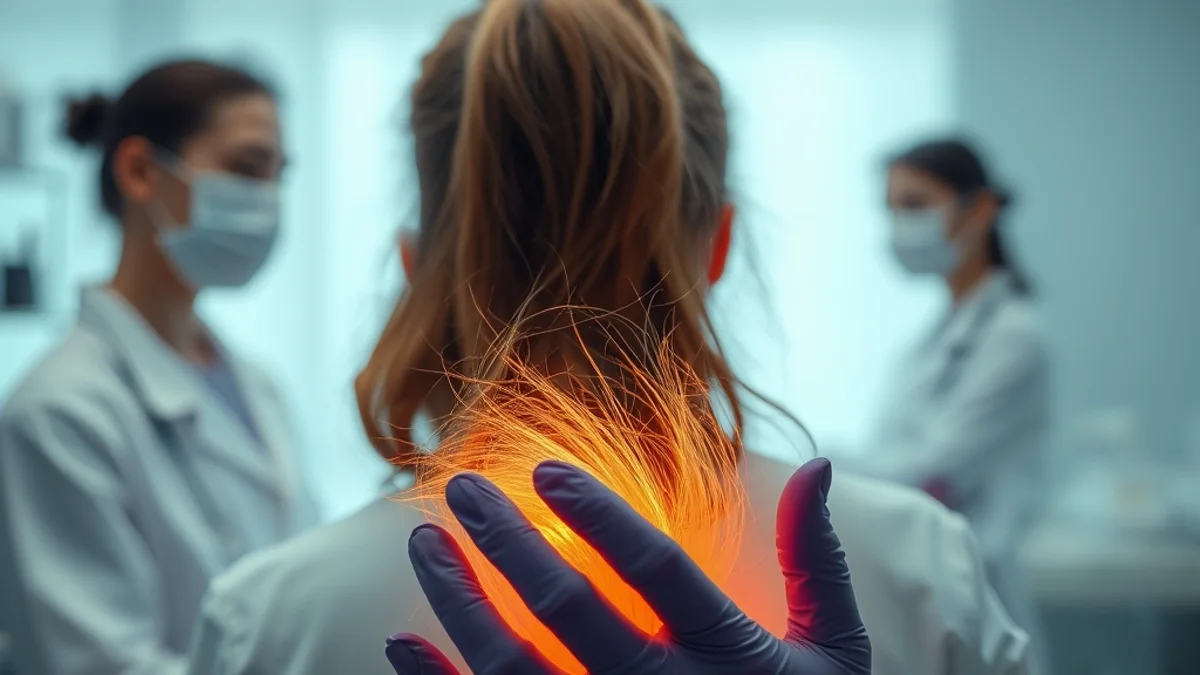
The pursuit of longer, thicker, and healthier hair often leads individuals to explore the intricate interplay between hormonal balance and micronutrient sufficiency. Understanding how specific hormones and nutrients affect hair follicle cycling and health is crucial for developing effective supplementation strategies tailored to individual needs.
Serum Ferritin Thresholds and Follicular Cycling
Ferritin, the primary form of stored iron in the body, plays a pivotal role in hair health. Research indicates that low serum ferritin levels correlate with telogen effluvium, a condition characterized by increased hair shedding. Optimal ferritin levels for hair growth typically range above 70 ng/mL, although some studies suggest that levels above 100 ng/mL may be more beneficial for follicular cycling. Iron is essential for the synthesis of hemoglobin, which transports oxygen to hair follicles, thereby supporting anagen (growth) phase maintenance. Supplementation with ferrous sulfate or other bioavailable iron forms can be considered, particularly for individuals with diagnosed iron deficiency or those exhibiting symptoms of hair thinning.
Thyroid Hormones (T3/T4) and Anagen Phase Regulation
The thyroid gland produces hormones crucial for metabolic regulation, including triiodothyronine (T3) and thyroxine (T4). These hormones significantly influence hair follicle cycling, with hypothyroidism often leading to hair thinning and loss due to a prolonged telogen phase. Clinical studies have shown that restoring thyroid hormone levels can reactivate hair growth in hypothyroid patients. Supplementation with iodine, selenium, and zinc—nutrients that support thyroid function—may also enhance hormone production and, consequently, hair health. Regular monitoring of thyroid function tests (TSH, Free T3, and Free T4) is recommended to guide treatment effectively.
Evidence-Based Supplementation vs. Biotin Myths
Biotin, or vitamin B7, has gained popularity as a hair supplement; however, its efficacy is often overstated. While biotin deficiency can lead to hair loss, it is relatively rare in the general population. A systematic review of randomized controlled trials indicates that while biotin supplementation can improve hair thickness in those with deficiency, it does not universally enhance hair growth in individuals with adequate levels. Instead, a more comprehensive approach that includes other B vitamins, such as B12 and folate, alongside biotin may yield better results. Additionally, formulations containing saw palmetto and pumpkin seed oil have shown promise in modulating androgen levels, particularly in androgenetic alopecia.
Dietary Protein Density and Keratin Synthesis
Hair is primarily composed of keratin, a fibrous protein that requires adequate dietary protein intake for synthesis. Studies suggest that individuals consuming a protein-deficient diet may experience hair thinning due to insufficient keratin production. The recommended dietary allowance (RDA) for protein is approximately 0.8 grams per kilogram of body weight, but higher intake may be beneficial for those seeking to optimize hair health. Sources of complete proteins, such as lean meats, fish, eggs, and legumes, should be prioritized. Additionally, amino acids like cysteine and methionine, found in high-protein foods, are critical for keratin formation and should be included in a balanced diet.
Vitamin D and Follicular Health: A Hormonal Perspective
Vitamin D, often referred to as the “sunshine vitamin,” plays a significant role in hair follicle cycling and immune regulation. Research has demonstrated that vitamin D receptors are present in hair follicles, suggesting that this vitamin is integral to hair growth. Deficiency in vitamin D has been linked to alopecia areata and other forms of hair loss. Supplementation with vitamin D3 (cholecalciferol) can be beneficial, particularly for individuals with low serum levels. The optimal range for serum 25(OH)D is generally considered to be between 30-50 ng/mL for overall health, including hair health. Regular monitoring and supplementation can help maintain adequate levels and support follicular function.
In conclusion, addressing hair thinning through a multifaceted approach that considers hormonal balance and micronutrient sufficiency is essential. By focusing on serum ferritin, thyroid hormones, evidence-based supplementation, dietary protein, and vitamin D levels, individuals can create a targeted strategy for healthier hair. This integrative perspective not only enhances hair growth but also promotes overall well-being.
For targeted nutritional plans, ferritin optimization, and hormone-related shedding insights, continue exploring our Hair Nutrition & Hormones section below.