
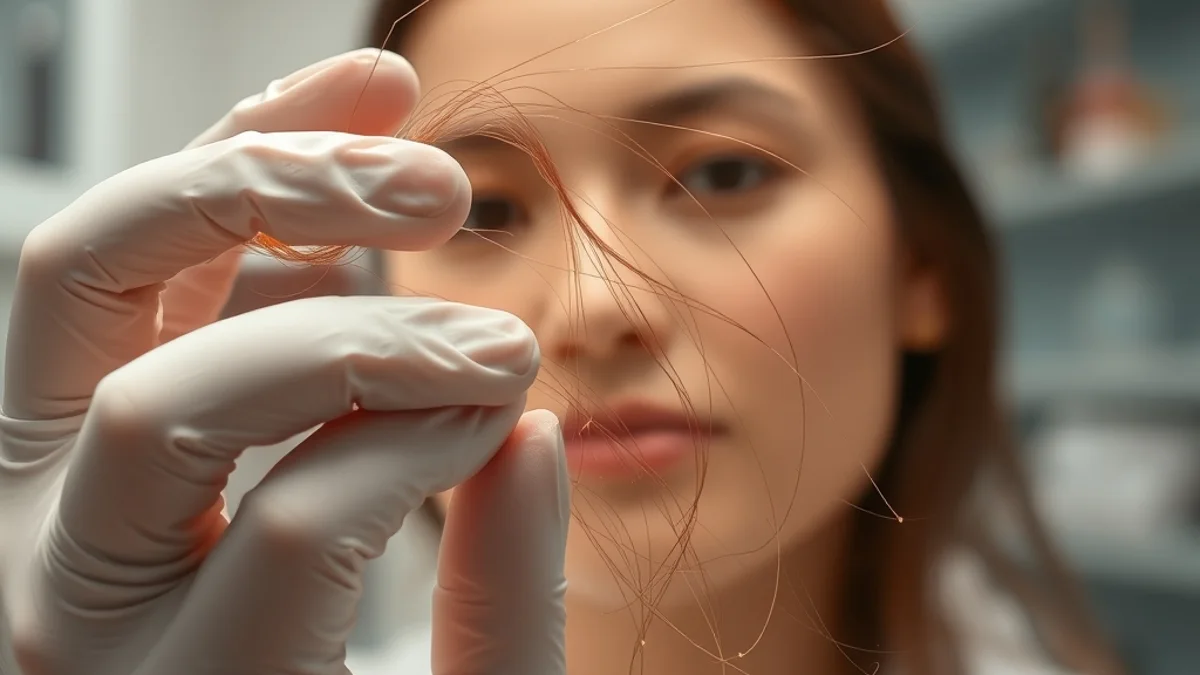
Understanding the intricate relationship between hormonal balance and micronutrient status is crucial for addressing hair thinning and promoting the growth of longer, thicker, and healthier hair. This guide delves into the key endocrine factors and nutritional deficiencies that influence hair health, offering evidence-based insights into effective supplementation strategies.
Serum Ferritin Thresholds and Follicular Cycling
Ferritin, the primary storage form of iron in the body, plays a pivotal role in hair follicle cycling. Research indicates that serum ferritin levels below 30 ng/mL are associated with telogen effluvium, a condition characterized by increased hair shedding. Iron is essential for the synthesis of hemoglobin, which transports oxygen to hair follicles, thus supporting their metabolic activity. A deficiency in ferritin can lead to reduced anagen (growth) phase duration and premature transition to the telogen (resting) phase.
To optimize hair health, it is recommended that individuals monitor their ferritin levels and consider supplementation if levels are insufficient. Iron supplementation should be approached cautiously, as excessive iron can lead to oxidative stress and other health issues. A targeted approach, often involving a combination of dietary sources (such as red meat, legumes, and leafy greens) and supplements, can help maintain optimal ferritin levels.
Thyroid Hormones (T3/T4) and Anagen Phase Regulation
The thyroid gland produces hormones that are critical for regulating metabolism and cellular proliferation, including hair follicles. Triiodothyronine (T3) and thyroxine (T4) are essential for maintaining the anagen phase of hair growth. Hypothyroidism, characterized by low levels of these hormones, can lead to hair thinning and loss due to impaired follicular function.
Clinical studies have demonstrated that individuals with hypothyroidism often experience significant hair regrowth following appropriate thyroid hormone replacement therapy. Furthermore, ensuring adequate iodine intake is vital for thyroid hormone synthesis. Individuals concerned about hair loss should undergo thyroid function testing, and if deficiencies are identified, a comprehensive treatment plan should be established to restore hormonal balance and promote hair health.
Evidence-Based Supplementation vs. Biotin Myths
Biotin, also known as vitamin B7, has gained popularity as a go-to supplement for hair health; however, its efficacy is often overstated. While biotin deficiency can lead to hair loss, it is relatively rare in the general population. Evidence suggests that supplementation with biotin is unlikely to benefit individuals with normal serum levels.
Instead, a more holistic approach to supplementation should focus on a spectrum of nutrients essential for hair health, including vitamins A, C, D, E, and minerals such as zinc and selenium. For instance, vitamin D plays a crucial role in the hair growth cycle, and its deficiency has been linked to alopecia areata. Zinc is vital for protein synthesis and cellular repair, making it another critical nutrient for maintaining hair integrity. A comprehensive hair supplement should ideally contain a balanced array of these micronutrients to support optimal follicular function.
Dietary Protein Density and Keratin Synthesis
Keratin, the primary structural protein in hair, is synthesized from amino acids derived from dietary protein. Insufficient protein intake can lead to a decrease in keratin production, resulting in weaker hair strands and increased susceptibility to breakage. The recommended dietary allowance (RDA) for protein varies by age and sex, but generally, adults should aim for 46-56 grams per day, depending on their activity level.
High-quality protein sources, such as lean meats, fish, eggs, and legumes, provide the necessary amino acids, including cysteine and methionine, which are particularly important for keratin synthesis. For those following vegetarian or vegan diets, it is crucial to combine different plant-based protein sources to ensure a complete amino acid profile. Additionally, supplementation with collagen peptides has shown promise in enhancing hair thickness and strength, making it a valuable addition to a hair health regimen.
The Role of Hormonal Shifts in Androgenetic Alopecia
Androgenetic alopecia, commonly known as male or female pattern baldness, is primarily driven by hormonal changes, particularly the action of dihydrotestosterone (DHT) on hair follicles. DHT, a potent androgen derived from testosterone, can lead to miniaturization of hair follicles, shortening the anagen phase and prolonging the telogen phase.
To mitigate the effects of DHT, individuals may consider supplements that inhibit its formation or block its action at the follicular level. Saw palmetto, for example, has been shown to possess anti-androgenic properties and may help reduce DHT levels. Additionally, maintaining a healthy balance of estrogen and progesterone is crucial for women, especially during menopause when hormonal fluctuations can exacerbate hair thinning. Integrative approaches that include lifestyle modifications, such as stress management and diet, are essential for addressing the underlying hormonal imbalances contributing to hair loss.
For targeted nutritional plans, ferritin optimization, and hormone-related shedding insights, continue exploring our Hair Nutrition & Hormones section below.