
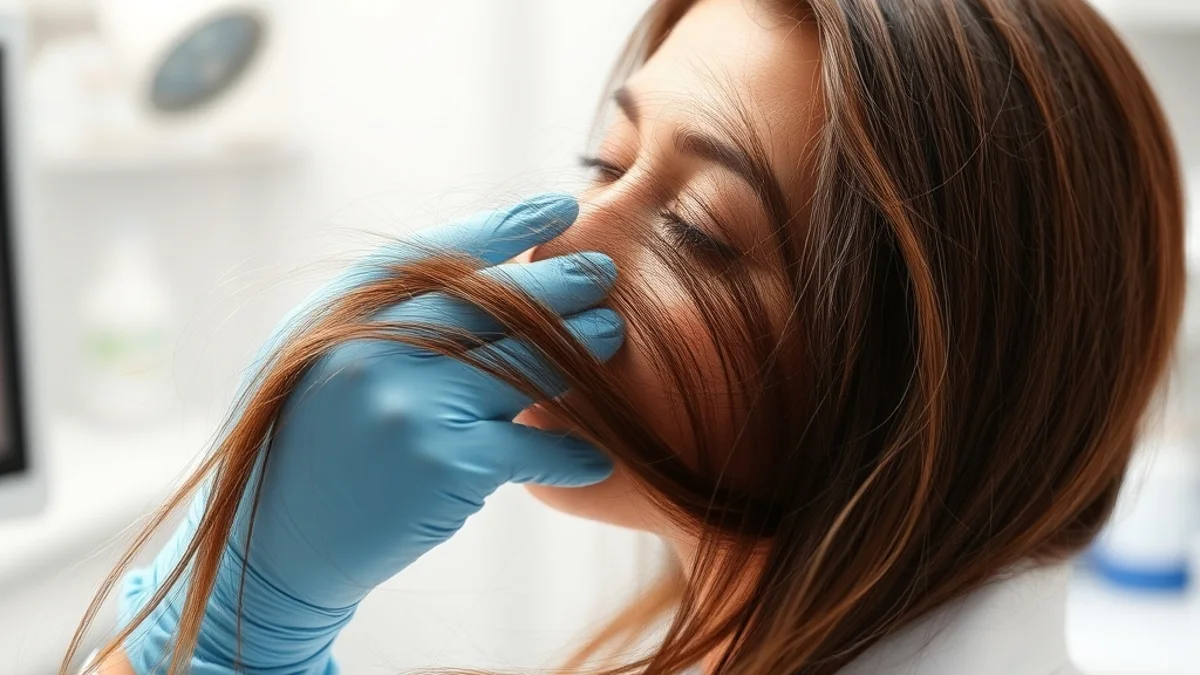
The biological underpinnings of hair loss, particularly in conditions such as androgenetic alopecia and telogen effluvium, are complex and multifactorial. Central to these processes is follicular miniaturization, driven by dihydrotestosterone (DHT) and other hormonal factors, leading to progressive hair thinning. Recent advancements in laser technology have shown promise in stimulating hair regrowth, making it imperative to evaluate the best laser hair growth devices available in 2026.
Follicular Miniaturization and DHT Receptors
Follicular miniaturization is a hallmark of androgenetic alopecia, characterized by the progressive shortening of the anagen phase and a reduction in hair follicle size. This process is largely mediated by DHT, a potent androgen derived from testosterone. DHT binds to androgen receptors in susceptible hair follicles, triggering a cascade of biological responses that lead to the transition of terminal hairs to vellus-like structures. Understanding this mechanism is crucial for developing effective treatment strategies, as it highlights the importance of targeting DHT and enhancing follicular health.
Clinical Trial Outcomes and Regrowth Timelines
Recent clinical trials have demonstrated the efficacy of laser hair growth devices in promoting hair regrowth. For instance, low-level laser therapy (LLLT) has been shown to increase hair density and improve overall scalp health. A meta-analysis of randomized controlled trials indicated that participants using LLLT devices experienced a statistically significant increase in hair count compared to placebo groups. Regrowth timelines can vary; however, many users report visible results within 12 to 24 weeks of consistent use. The cumulative data suggest that these devices can serve as a viable adjunct to traditional therapies such as minoxidil and finasteride.
Therapeutic Synergy Between Topicals and Oral Agents
The integration of laser therapy with topical and oral agents can enhance therapeutic outcomes for patients experiencing hair loss. For example, combining LLLT with minoxidil may lead to synergistic effects, as the laser treatment can improve the penetration and efficacy of topical solutions. Clinical studies have shown that patients who utilized both modalities reported superior results compared to those using either treatment alone. Additionally, oral agents like finasteride can further inhibit DHT production, complementing the follicular stimulation achieved through laser therapy. This multifaceted approach is essential for optimizing patient outcomes and addressing the underlying causes of hair loss.
Long-Term Maintenance and Shedding Expectations
Understanding the long-term maintenance of hair regrowth is critical for patient adherence and satisfaction. While laser hair growth devices can yield significant results, it is important to set realistic expectations regarding shedding and maintenance. Initial shedding may occur as weaker hairs are replaced by healthier, stronger follicles. This process is often a normal part of the hair growth cycle and should not deter patients from continued use of the device. Long-term maintenance typically requires ongoing treatment, as discontinuation can lead to a reversal of gains achieved. Regular follow-ups and adjustments to treatment protocols may be necessary to sustain results over time.
As we navigate the evolving landscape of hair loss treatments, laser hair growth devices represent a promising frontier. Their ability to stimulate hair follicles and enhance the efficacy of traditional therapies provides a comprehensive approach to managing androgenetic alopecia and telogen effluvium. By understanding the biological mechanisms at play and the potential for synergistic treatment strategies, patients can make informed decisions about their hair restoration journey.
For more evidence-based protocols on androgenetic alopecia, minoxidil strategies, and clinical hair restoration, explore our Hair Loss & Regrowth section below.