
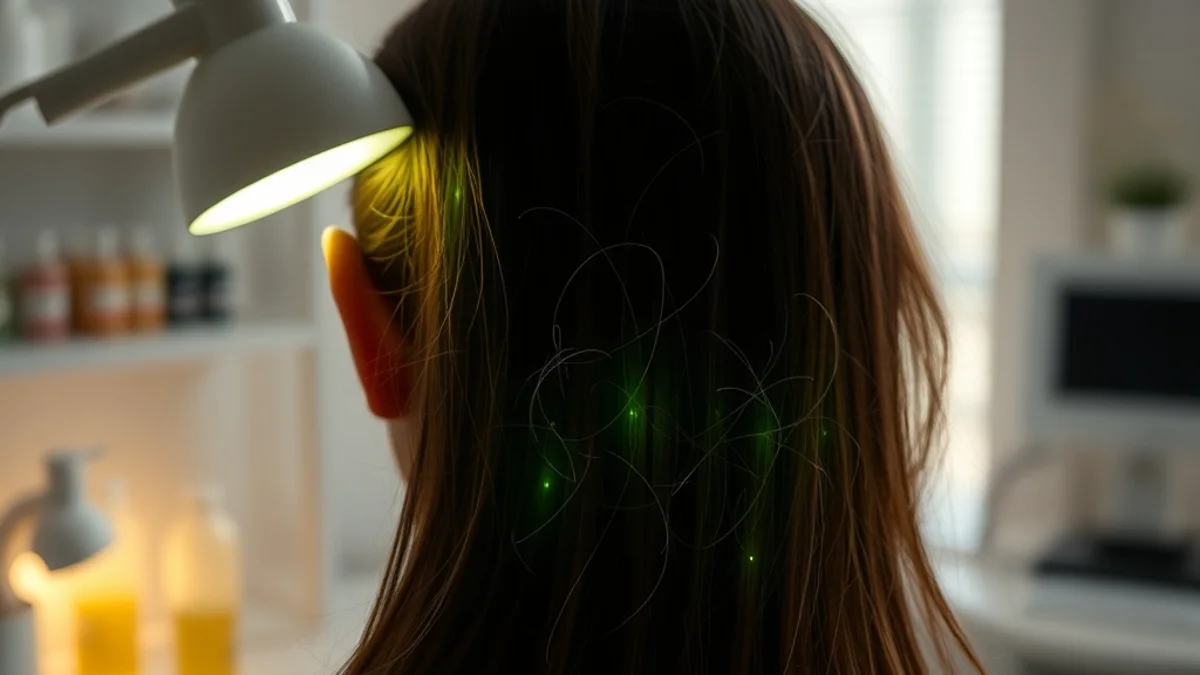
Collagen, a structural protein found abundantly in the body, has gained attention for its potential role in enhancing hair growth. While its primary functions revolve around skin elasticity and joint health, emerging research suggests that collagen may also influence hair follicle activity and overall scalp health through its interaction with various hormonal and nutritional pathways.
Collagen’s Role in Hair Follicle Structure and Function
Collagen constitutes a significant portion of the dermal layer of the skin, where hair follicles reside. The presence of collagen provides structural integrity and support to hair follicles, which are essential for maintaining healthy hair growth cycles. Studies indicate that collagen peptides can stimulate fibroblast proliferation, leading to increased production of extracellular matrix components, including collagen itself. This may enhance the microenvironment of hair follicles, promoting optimal conditions for hair growth. Additionally, collagen’s amino acids, particularly glycine and proline, are vital for keratin synthesis, the primary protein in hair. Thus, adequate collagen levels may indirectly support hair growth by ensuring that hair follicles have the necessary building blocks for keratin production.
Serum Ferritin Thresholds and Follicular Cycling
Ferritin, a protein that stores iron, plays a crucial role in hair health, particularly in the context of hair loss. Low serum ferritin levels have been associated with telogen effluvium, a condition characterized by increased hair shedding. Research suggests that maintaining ferritin levels above 70 ng/mL is essential for supporting anagen (growth) phase activity in hair follicles. Collagen supplementation may indirectly influence ferritin levels by enhancing iron absorption and utilization in the body. This relationship underscores the importance of a holistic approach to hair health, where collagen intake is considered alongside micronutrient status, particularly iron, to optimize hair growth outcomes.
Thyroid Hormones (T3/T4) and Anagen Phase Regulation
Thyroid hormones, particularly triiodothyronine (T3) and thyroxine (T4), are critical regulators of hair follicle cycling. Hypothyroidism can lead to hair thinning and loss due to its impact on the anagen phase. Collagen, through its amino acid profile, may support thyroid function by providing the necessary substrates for hormone synthesis and metabolism. Furthermore, collagen’s potential anti-inflammatory properties may help mitigate thyroid-related hair loss by reducing systemic inflammation, which can exacerbate follicular dysfunction. Therefore, ensuring adequate collagen intake may serve as a supportive measure for individuals with thyroid imbalances, promoting healthier hair growth.
Evidence-Based Supplementation vs. Biotin Myths
Biotin, often touted as a miracle supplement for hair growth, has limited evidence supporting its efficacy in individuals without biotin deficiency. In contrast, collagen supplementation has shown promise in enhancing hair health through its structural contributions and potential to improve scalp conditions. Clinical studies have demonstrated that collagen peptides can increase hair density and thickness in individuals experiencing hair thinning. This effect is likely mediated through improved follicular health and enhanced nutrient delivery to the scalp. Therefore, while biotin remains a popular choice, collagen presents a more scientifically grounded option for those seeking to improve hair growth.
Dietary Protein Density and Keratin Synthesis
Protein intake is fundamental for hair health, as hair is primarily composed of keratin, a fibrous protein. The amino acids derived from dietary protein are essential for keratin synthesis and overall hair structure. Collagen, as a rich source of specific amino acids, can complement dietary protein sources to enhance hair growth. A diet high in protein density, including collagen-rich foods or supplements, can provide the necessary substrates for optimal hair follicle function. Moreover, a balanced intake of other micronutrients, such as zinc and vitamin D, further supports this process, highlighting the importance of a comprehensive nutritional approach to hair health.
In summary, while collagen may not directly stimulate hair growth, its role in supporting the structural integrity of hair follicles, enhancing micronutrient absorption, and potentially influencing hormonal balance makes it a valuable component of a holistic approach to hair health. By integrating collagen supplementation with attention to micronutrient status and hormonal balance, individuals can create a more conducive environment for hair growth.
For targeted nutritional plans, ferritin optimization, and hormone-related shedding insights, continue exploring our Hair Nutrition & Hormones section below.