
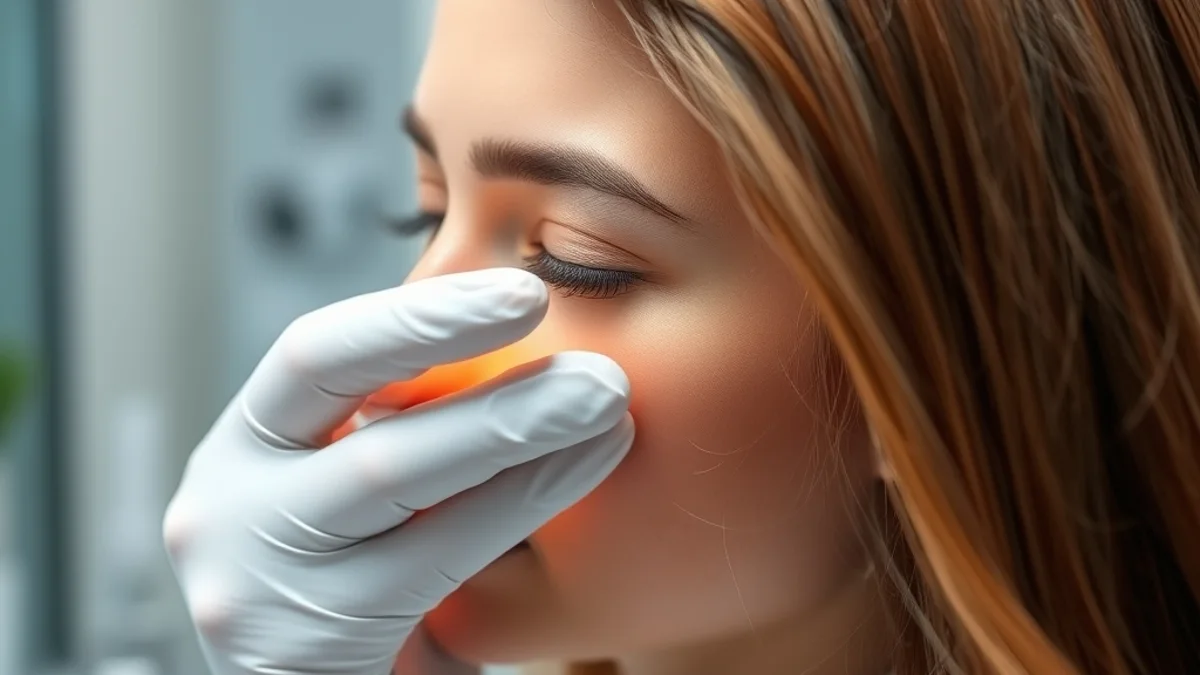
The biological mechanisms underlying hair loss, particularly in conditions like androgenetic alopecia and telogen effluvium, involve complex interactions between genetic predispositions, hormonal influences, and follicular miniaturization. Recent investigations into red light therapy (RLT) have sparked interest as a potential non-invasive treatment to stimulate hair regrowth. This editorial guide explores the efficacy of RLT in promoting hair growth and what dermatologists want patients to know.
Understanding the Mechanism of Red Light Therapy
Red light therapy utilizes specific wavelengths of light, typically in the range of 600 to 650 nanometers, to penetrate the scalp and stimulate cellular activity in hair follicles. This process is believed to enhance mitochondrial function, leading to increased ATP production, which is crucial for cellular repair and regeneration. In the context of hair follicles, RLT may counteract the effects of dihydrotestosterone (DHT), a potent androgen implicated in follicular miniaturization. By promoting healthier follicular environments, RLT may help reverse the thinning process associated with conditions like androgenetic alopecia.
Clinical studies have demonstrated that RLT can increase hair density and thickness in patients suffering from hair loss. For instance, a randomized controlled trial found that participants receiving RLT showed a statistically significant improvement in hair count compared to a placebo group. This evidence supports the notion that RLT can serve as an adjunctive treatment for individuals experiencing hair thinning, particularly when combined with other therapeutic modalities.
Related: Wontech’s 10.8 Billion Won Investment in Japanese Hair Loss Clinic
Follicular Miniaturization and DHT Receptors
Follicular miniaturization is a hallmark of androgenetic alopecia, characterized by the progressive shrinking of hair follicles due to the action of DHT on androgen receptors. This process leads to shorter hair growth cycles and finer hair strands. Understanding the interplay between DHT and hair follicles is crucial for developing effective treatment strategies.
Research indicates that RLT may mitigate the effects of DHT by promoting blood circulation and reducing inflammation in the scalp. Enhanced blood flow can deliver essential nutrients and oxygen to hair follicles, potentially counteracting the detrimental effects of DHT. Furthermore, RLT has been shown to upregulate the expression of growth factors such as vascular endothelial growth factor (VEGF), which plays a vital role in follicular health and regeneration.
Clinical Trial Outcomes and Regrowth Timelines
The efficacy of red light therapy in stimulating hair regrowth has been substantiated through various clinical trials. A systematic review of multiple studies highlighted that patients undergoing RLT experienced significant improvements in hair density within 12 to 24 weeks of consistent treatment. These findings suggest that RLT can be a viable option for individuals seeking to address hair loss effectively.
It is important to note that individual responses to RLT can vary based on several factors, including the underlying cause of hair loss, the duration and frequency of treatment, and patient compliance. While some may observe noticeable results within a few months, others may require longer treatment durations to achieve optimal outcomes. Therefore, a personalized approach, guided by a qualified dermatologist, is essential for maximizing the benefits of RLT.
Therapeutic Synergy Between Topicals and Oral Agents
Integrating red light therapy with topical treatments and oral agents can enhance overall efficacy in managing hair loss. For instance, combining RLT with minoxidil—a well-established topical treatment—may yield superior results compared to either modality alone. Minoxidil works by prolonging the anagen phase of hair growth, while RLT can improve follicular health and responsiveness to treatment.
Additionally, oral agents such as finasteride, which inhibit the conversion of testosterone to DHT, can complement RLT by addressing the hormonal aspect of hair loss. This synergistic approach not only targets multiple pathways involved in hair thinning but also provides a comprehensive strategy for patients seeking effective hair regrowth solutions.
| Treatment Modality | Efficacy | Mechanism of Action | Typical Duration for Results |
|---|---|---|---|
| Red Light Therapy | Moderate to High | Stimulates cellular activity and improves blood flow | 12-24 weeks |
| Minoxidil | High | Prolongs anagen phase of hair growth | 8-12 weeks |
| Finasteride | High | Inhibits DHT production | 3-6 months |
Long-Term Maintenance and Shedding Expectations
Patients undergoing treatment for hair loss often express concerns regarding long-term maintenance and the potential for shedding during the regrowth process. It is essential to communicate that initial shedding can occur as hair follicles transition from a dormant state to an active growth phase. This phenomenon, known as “telogen effluvium,” is generally temporary and should not deter patients from continuing their treatment regimen.
To maintain results achieved through RLT and other therapies, a consistent long-term approach is necessary. Regular follow-ups with a dermatologist can help monitor progress and make necessary adjustments to the treatment plan. Additionally, incorporating supportive hair care practices, such as using sulphate-free shampoos and avoiding harsh styling techniques, can further enhance hair health and longevity.
In conclusion, while red light therapy presents a promising avenue for promoting hair growth, it is most effective when utilized as part of a comprehensive treatment plan tailored to individual needs. As research continues to evolve, patients are encouraged to engage in open discussions with their dermatologists to explore the best strategies for managing hair loss.
For more evidence-based protocols on androgenetic alopecia, minoxidil strategies, and clinical hair restoration, explore our Hair Loss & Regrowth section below.
Understanding the Mechanism of Red Light Therapy
Red light therapy (RLT) operates on the principle of photobiomodulation, where specific wavelengths of light stimulate cellular processes. The most effective wavelengths for hair growth typically range from 600 to 650 nanometers (nm) and 800 to 850 nm. These wavelengths penetrate the scalp and are absorbed by the mitochondria in hair follicle cells, leading to increased ATP production. This boost in energy enhances cellular metabolism and promotes hair follicle function, potentially resulting in improved hair growth.
Moreover, RLT is believed to reduce inflammation and oxidative stress in the scalp, both of which can contribute to hair loss. By improving blood circulation in the scalp, red light therapy ensures that hair follicles receive essential nutrients and oxygen, further supporting hair growth. Studies have shown that consistent use of RLT can lead to thicker hair strands and an increase in hair density over time.
Comparing Red Light Therapy Devices
| Device Type | Wavelength | Treatment Duration | Frequency of Use | Cost Range |
|---|---|---|---|---|
| Handheld Device | 650 nm | 10-20 minutes | 3-5 times per week | $100 – $300 |
| Laser Cap | 650 nm & 850 nm | 30 minutes | 2-3 times per week | $500 – $1,500 |
| LED Hair Growth Helmet | 630 nm & 850 nm | 30 minutes | 3 times per week | $300 – $800 |
| Light Therapy Comb | 660 nm | 10-15 minutes | 3-4 times per week | $50 – $200 |
Is red light therapy safe for all hair types?
Red light therapy is generally considered safe for all hair types and colors. The non-invasive nature of the treatment means that it does not cause any damage to the hair or scalp. However, individuals with specific scalp conditions or those undergoing certain medical treatments should consult with a dermatologist before starting RLT. It’s also essential to follow the manufacturer’s guidelines for the device being used to ensure safety and effectiveness.
How long does it take to see results from red light therapy?
Results from red light therapy can vary based on individual factors such as the extent of hair loss, the underlying cause, and the consistency of treatment. Most users may start to notice improvements in hair thickness and growth within 12 to 24 weeks of regular use. It is crucial to maintain a consistent treatment schedule, as sporadic use may delay results. Additionally, combining RLT with other hair restoration treatments can enhance overall effectiveness.
Can red light therapy be used in conjunction with other hair loss treatments?
Yes, red light therapy can be effectively combined with other hair loss treatments, such as minoxidil or finasteride. Many dermatologists recommend this approach as it can enhance the overall efficacy of hair restoration efforts. RLT can complement these treatments by improving scalp health and increasing blood flow, which may help the active ingredients in topical treatments penetrate more effectively. However, it is advisable to discuss any combined treatment plans with a healthcare professional to ensure safety and maximize results.