
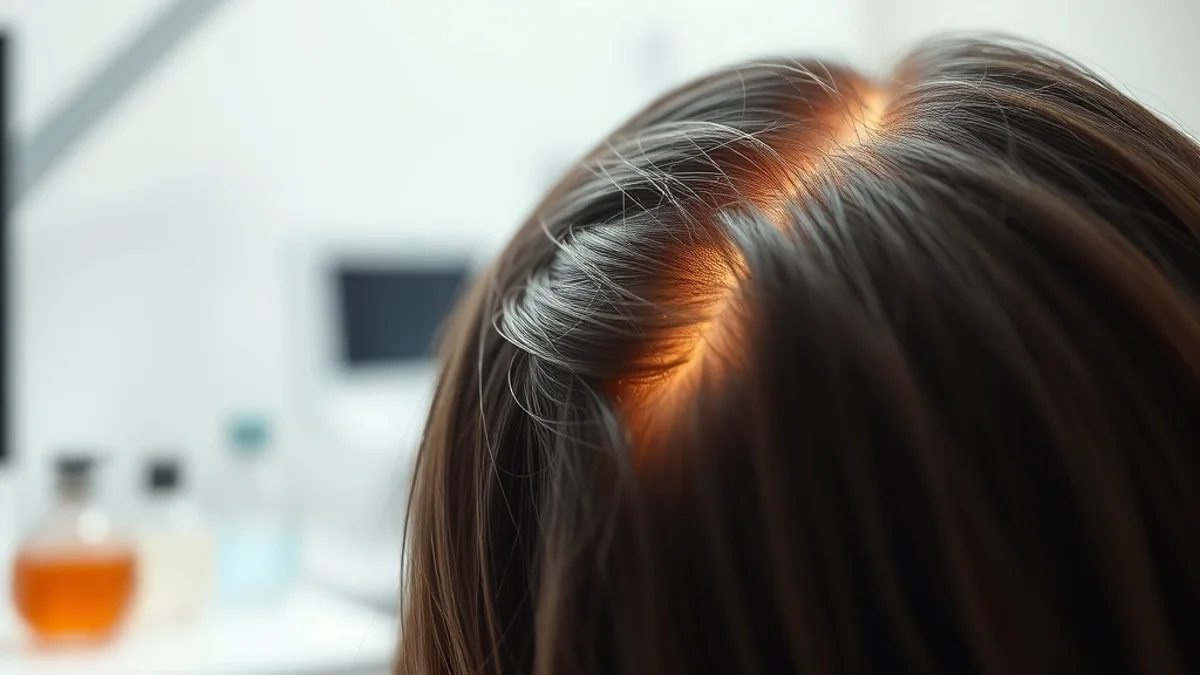
The biological mechanisms underlying hair loss, particularly in conditions such as androgenetic alopecia and telogen effluvium, are complex and multifactorial. Recent insights into the role of specific treatments, as endorsed by industry professionals, suggest promising avenues for reducing shedding and promoting regrowth. This editorial delves into the efficacy of these treatments, focusing on the recommendations from Dakota Johnson’s hairstylist and corroborating dermatological research.
## Follicular Miniaturization and DHT Receptors
At the heart of androgenetic alopecia is the process of follicular miniaturization, which is primarily influenced by dihydrotestosterone (DHT). DHT, a potent androgen derived from testosterone, binds to androgen receptors in susceptible hair follicles, leading to a progressive reduction in hair shaft diameter and a shortening of the anagen (growth) phase. This process results in thinner, shorter hairs and ultimately, hair loss.
Research indicates that individuals with a genetic predisposition to androgenetic alopecia have an increased sensitivity to DHT, which exacerbates the miniaturization process. Understanding this mechanism is crucial for developing effective treatment protocols. Treatments that inhibit the formation of DHT, such as finasteride, have shown efficacy in clinical trials, demonstrating a significant reduction in hair loss and promotion of regrowth in affected individuals.
## Clinical Trial Outcomes and Regrowth Timelines
Recent clinical trials have provided robust evidence supporting the use of topical and oral treatments for hair loss. Minoxidil, a topical agent, has been extensively studied and is FDA-approved for the treatment of androgenetic alopecia. Clinical data suggest that minoxidil promotes hair regrowth by enhancing blood flow to hair follicles and prolonging the anagen phase.
In a randomized, double-blind study, participants using 5% minoxidil reported a significant increase in hair count after 24 weeks compared to placebo. Furthermore, the efficacy of minoxidil appears to be dose-dependent, with higher concentrations yielding better results.
Oral finasteride, on the other hand, has shown a different timeline for results. Patients typically begin to notice improvements within 3 to 6 months of consistent use, with maximum benefits observed after 12 months. The combination of these two modalities—minoxidil and finasteride—has been shown to enhance overall treatment outcomes, providing a synergistic effect that can lead to more substantial regrowth.
## Therapeutic Synergy Between Topicals and Oral Agents
The integration of topical and oral treatments represents a promising strategy for managing hair loss. While minoxidil acts locally to stimulate hair follicles, finasteride works systemically to reduce DHT levels. This dual approach can address both the symptoms and underlying causes of hair loss, offering patients a comprehensive solution.
Emerging studies suggest that combining these therapies not only improves efficacy but also may reduce the time required to achieve visible results. For instance, a study published in the Journal of the American Academy of Dermatology demonstrated that patients using both minoxidil and finasteride experienced a more significant increase in hair density compared to those using either treatment alone. This therapeutic synergy underscores the importance of a tailored approach to hair loss management, allowing clinicians to optimize treatment plans based on individual patient needs.
## Long-Term Maintenance and Shedding Expectations
Understanding the long-term maintenance of hair regrowth is essential for patients undergoing treatment for hair loss. Initially, patients may experience a phenomenon known as “shedding,” where existing hairs fall out as new, healthier hairs begin to grow. This shedding can be disconcerting but is often a normal part of the hair regrowth cycle.
Long-term studies indicate that continued use of minoxidil and finasteride is critical for maintaining results. Discontinuation of these treatments can lead to a reversal of benefits, with hair loss resuming within a few months. Patients should be counseled about the importance of adherence to their treatment regimen and the potential for temporary shedding during the initial stages of therapy.
Furthermore, regular follow-up appointments can help monitor progress and adjust treatment protocols as necessary, ensuring that patients remain engaged and informed throughout their journey toward hair restoration.
In conclusion, the recommendations from Dakota Johnson’s hairstylist, supported by dermatological insights, highlight the importance of evidence-based treatments in managing hair loss. By understanding the biological mechanisms at play and the efficacy of various therapeutic options, patients can make informed decisions about their hair health.
For more evidence-based protocols on androgenetic alopecia, minoxidil strategies, and clinical hair restoration, explore our Hair Loss & Regrowth section below.