
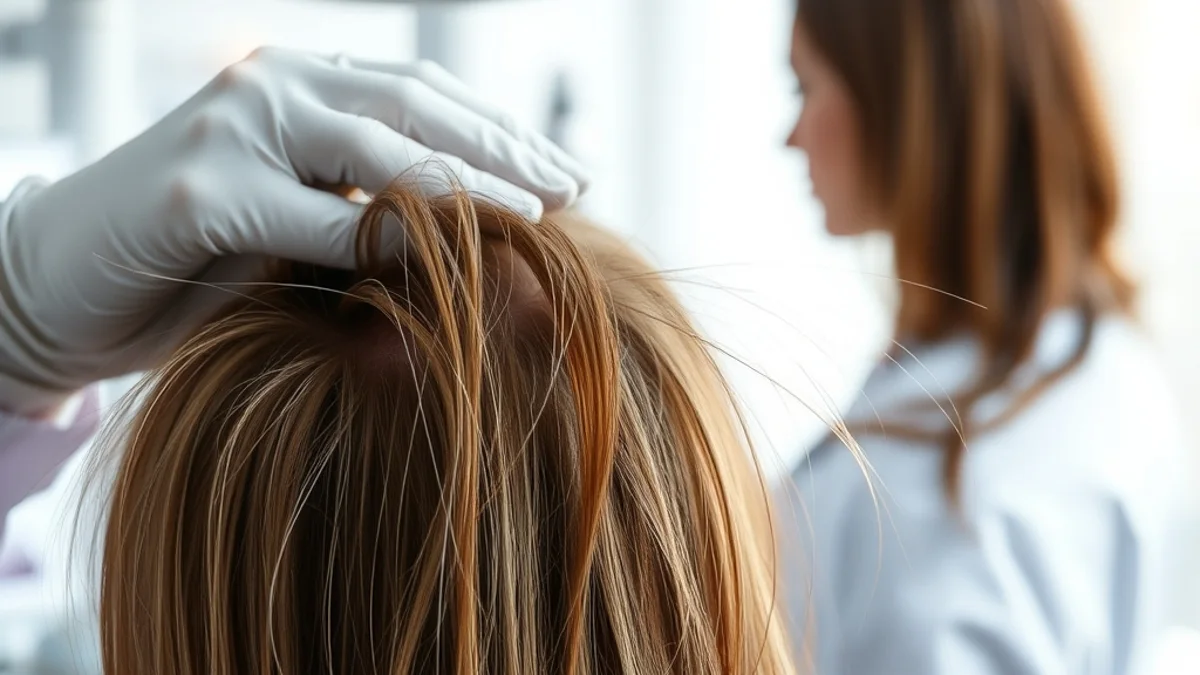
The recent discovery that an electric comb can stimulate hair regrowth in balding mice within 30 days highlights the intricate biological mechanisms underlying hair follicle activation. This innovative approach may offer new avenues for treating androgenetic alopecia and telogen effluvium by targeting the pathways involved in follicular miniaturization and regeneration.
Follicular Miniaturization and DHT Receptors
Androgenetic alopecia, commonly known as male or female pattern hair loss, is characterized by the progressive miniaturization of hair follicles, primarily influenced by dihydrotestosterone (DHT). DHT, a potent androgen derived from testosterone, binds to androgen receptors in susceptible hair follicles, leading to a shortening of the anagen phase and a prolongation of the telogen phase. This results in thinner, shorter hairs and ultimately, follicular dormancy. Recent studies have elucidated the role of DHT in altering gene expression within hair follicles, promoting apoptosis (programmed cell death) of dermal papilla cells and inhibiting the proliferation of keratinocytes, which are crucial for hair shaft formation. Understanding these mechanisms is vital for developing effective therapeutic interventions aimed at reversing or halting this process.
Mechanisms of Action: Electric Comb Technology
The electric comb’s efficacy in promoting hair regrowth may be attributed to its ability to deliver low-level laser therapy (LLLT) and microcurrent stimulation directly to the scalp. LLLT has been shown to enhance mitochondrial activity within cells, leading to increased ATP production, which is essential for cellular metabolism and proliferation. This stimulation can reactivate dormant hair follicles, encouraging them to transition from the telogen phase back to anagen. Additionally, the microcurrent aspect may improve blood circulation in the scalp, facilitating nutrient delivery to hair follicles and promoting overall scalp health. The combination of these mechanisms offers a promising non-invasive option for patients seeking to address hair loss.
Clinical Trial Outcomes and Regrowth Timelines
In a recent study involving balding mice, the application of the electric comb resulted in significant hair regrowth within 30 days, with nearly all subjects showing visible improvements. Histological analysis revealed increased follicle density and size, alongside enhanced keratinocyte proliferation in treated areas. While human clinical trials are still necessary to validate these findings, the preliminary results are promising. For patients experiencing hair thinning, it is essential to understand that individual responses to treatment can vary, and optimal results may take several months to manifest. Factors such as age, hormonal levels, and the extent of hair loss will influence the efficacy and timeline of regrowth.
Therapeutic Synergy Between Topicals and Oral Agents
To maximize the potential of the electric comb, it is crucial to consider its use in conjunction with established topical and oral treatments for hair loss. Minoxidil, a topical agent, works by prolonging the anagen phase and increasing blood flow to hair follicles. When combined with the electric comb, the synergistic effect may enhance the overall efficacy of treatment. Additionally, oral finasteride, which inhibits the conversion of testosterone to DHT, can further mitigate the underlying causes of androgenetic alopecia. A comprehensive treatment plan that incorporates these modalities may provide a more robust approach to hair regrowth, particularly for patients with advanced hair loss.
Long-Term Maintenance and Shedding Expectations
As with any hair restoration treatment, understanding the long-term maintenance of results is crucial. Patients should be informed that hair shedding can occur during the initial phases of treatment, often referred to as “shedding phase,” as weaker hairs are pushed out to make way for new growth. This process is typically temporary and should not be misconstrued as treatment failure. Long-term maintenance may require ongoing use of the electric comb alongside other therapeutic agents to sustain hair density and health. Regular follow-ups with a trichology specialist can help monitor progress and adjust treatment protocols as necessary, ensuring optimal outcomes for each individual patient.
For more evidence-based protocols on androgenetic alopecia, minoxidil strategies, and clinical hair restoration, explore our Hair Loss & Regrowth section below.