
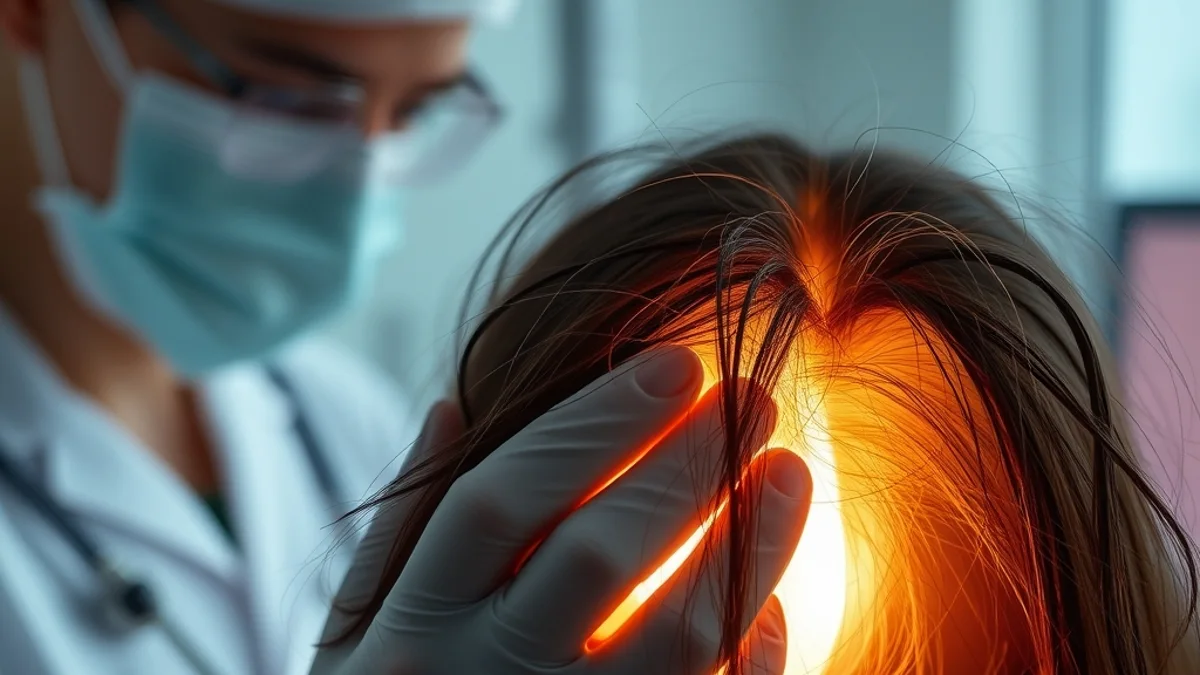
The quest for long, healthy hair has led to a surge in interest surrounding innovative clinical treatments aimed at accelerating hair growth. From advanced laser therapies to cutting-edge biotechnological interventions, the landscape of trichology is evolving rapidly. This editorial guide delves into 23 scientifically-backed methods to enhance hair growth, focusing on the latest advancements in clinical hair science.
## Cellular Mechanisms of Photobiomodulation and Mitochondrial ATP
Photobiomodulation (PBM) utilizes low-level light therapy (LLLT) to stimulate hair follicles at the cellular level. The primary mechanism involves the absorption of specific wavelengths of light by mitochondrial chromophores, leading to increased adenosine triphosphate (ATP) production. Enhanced ATP levels promote cellular proliferation and differentiation within hair follicles, thereby extending the anagen phase of the hair growth cycle. Clinical studies have demonstrated that LLLT can increase hair density and thickness, making it a promising non-invasive option for patients seeking accelerated hair growth.
## Exosomal Signaling and Follicular Stem Cell Activation
Exosomes, nano-sized extracellular vesicles, play a crucial role in intercellular communication and have emerged as a powerful tool in hair restoration. Derived from stem cells, exosomes contain growth factors, proteins, and genetic material that can modulate cellular behavior. Research indicates that exosomal therapy can activate follicular stem cells, promoting hair regeneration and improving overall scalp health. By delivering bioactive molecules directly to target cells, exosomes facilitate a more efficient and effective hair growth response, offering a novel approach to treating androgenetic alopecia and other forms of hair loss.
## The Role of Platelet-Rich Plasma in Follicular Regeneration
Platelet-rich plasma (PRP) therapy has gained traction as a regenerative treatment for hair loss. PRP is derived from the patient’s own blood and is rich in growth factors that stimulate hair follicles. The application of PRP to the scalp has been shown to enhance blood circulation, promote collagen synthesis, and encourage the proliferation of dermal papilla cells. Clinical trials have reported significant improvements in hair density and thickness following PRP treatment, making it a compelling option for patients seeking to enhance hair growth through natural means.
## Comparative Analysis of Clinical Efficacy and Longevity of Growth Factors
Growth factors, such as vascular endothelial growth factor (VEGF) and fibroblast growth factor (FGF), are critical in the hair growth cycle. These proteins regulate various biological processes, including angiogenesis and cellular proliferation. Recent studies have compared the efficacy of topical growth factor formulations with traditional treatments like minoxidil. Results indicate that while minoxidil promotes hair growth, growth factor therapies can provide a more targeted approach with potentially longer-lasting effects. Understanding the specific mechanisms of action and patient responses to these treatments is essential for optimizing hair restoration protocols.
## Patient Selection Criteria and Contraindications for Advanced Therapies
Selecting the appropriate candidates for advanced hair growth therapies is crucial for achieving optimal outcomes. Factors such as age, underlying health conditions, and the specific type of hair loss must be considered. For instance, patients with scarring alopecia may not respond well to treatments like PRP or exosomal therapy, while those with androgenetic alopecia may benefit significantly. Additionally, contraindications such as active scalp infections or certain autoimmune disorders must be evaluated to ensure patient safety. A thorough assessment and tailored treatment plan can enhance the effectiveness of these innovative therapies.
In conclusion, the integration of advanced clinical treatments, including photobiomodulation, exosomal therapy, PRP, and growth factor applications, represents a significant leap forward in the field of trichology. As research continues to unveil the complexities of hair biology and the mechanisms of these therapies, clinicians can offer patients a more comprehensive and effective approach to achieving the long, healthy strands of their dreams.
To stay informed on modern bond repair chemistry, peptide innovations, and clinical trichological research, continue reading our Clinical Hair Science section below.