
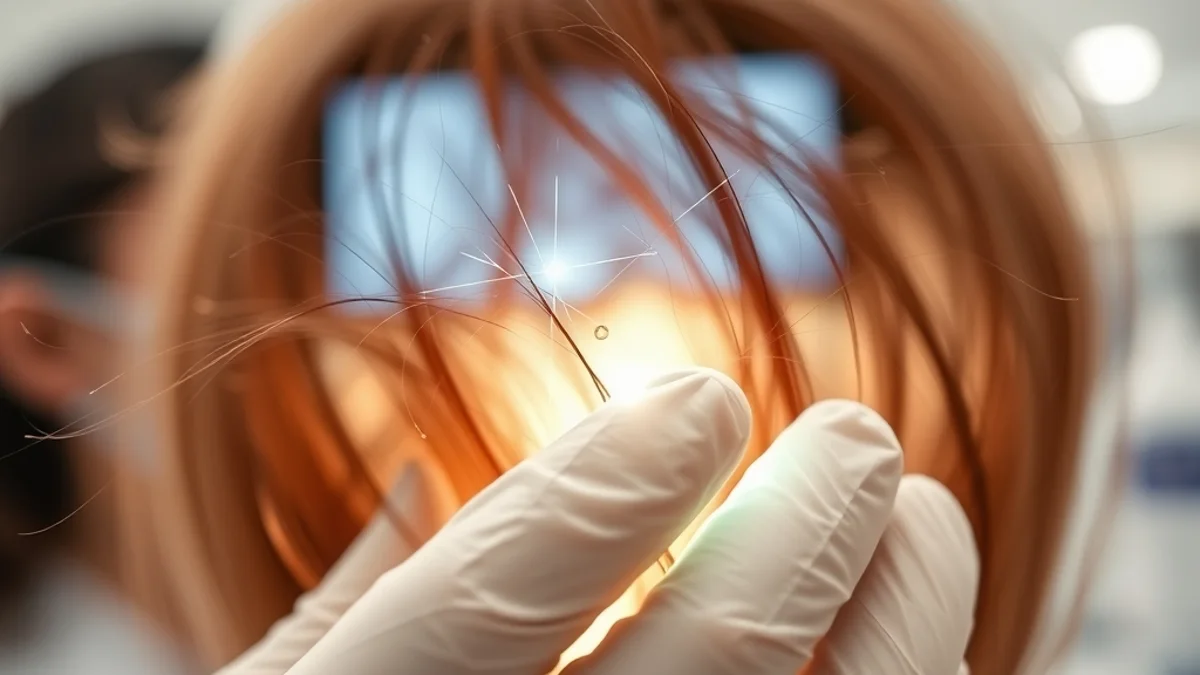
The health of your scalp is intricately linked to the balance of its microbiome and the integrity of its barrier function. Maintaining optimal moisture levels is crucial for preventing inflammation, dandruff, seborrheic dermatitis, and psoriasis. Here are six clinically-backed strategies to effectively moisturize your scalp while supporting its natural defenses.
## Understanding the Role of Sebum and Microbiome Balance
Sebum, produced by sebaceous glands, plays a pivotal role in maintaining scalp hydration and protecting against pathogenic microorganisms. An imbalance in sebum production can lead to conditions such as dandruff and seborrheic dermatitis. The scalp microbiome, composed of various microorganisms, thrives in a balanced environment where sebum levels are neither too high nor too low. This balance is essential for preventing the overgrowth of Malassezia, a yeast that can exacerbate scalp inflammation. To promote a healthy scalp, it is vital to support sebum regulation through targeted moisturizing strategies that also nurture the microbiome.
## The Importance of pH in Scalp Hydration
The scalp’s pH level is a critical factor in maintaining its barrier function and overall health. Ideally, the scalp should have a slightly acidic pH of around 4.5 to 5.5, which helps to inhibit the growth of harmful bacteria and fungi while promoting the proliferation of beneficial microbes. When the pH is disrupted—often due to harsh shampoos or environmental factors—the scalp can become dry and irritated. To restore and maintain optimal pH levels, consider using gentle, sulfate-free cleansers that contain pH-balancing ingredients. Additionally, incorporating acidic rinses, such as diluted apple cider vinegar, can help to re-establish the scalp’s natural acidity, enhancing moisture retention and microbial balance.
## Harnessing the Power of Humectants and Emollients
Humectants and emollients are essential components of any effective scalp moisturizing regimen. Humectants, such as glycerin and hyaluronic acid, draw moisture from the environment into the scalp, while emollients, like jojoba oil and shea butter, create a protective barrier that locks in hydration. For individuals with scalp conditions, formulations that combine these ingredients can provide immediate relief from dryness and irritation. Look for products that specifically mention their humectant and emollient content, and consider applying these formulations directly to the scalp to maximize their benefits. Regular use can significantly improve moisture levels and promote a healthier scalp environment.
## Botanical Extracts: Nature’s Anti-Inflammatory Agents
Botanical extracts have gained recognition for their anti-inflammatory properties and ability to soothe irritated scalps. Ingredients such as chamomile, calendula, and aloe vera can provide relief from inflammation and redness associated with conditions like psoriasis and seborrheic dermatitis. These extracts not only hydrate the scalp but also support the healing process by reducing inflammation and promoting cellular regeneration. When selecting products, look for those that contain a high concentration of these botanical extracts, as their efficacy is often dose-dependent. Incorporating these natural ingredients into your scalp care routine can foster a more balanced microbiome and enhance overall scalp health.
## Clinical Wash Protocols for Enhanced Follicular Longevity
Regular cleansing is essential for maintaining scalp health, but the method and frequency of washing can significantly impact moisture levels and microbial balance. Over-washing can strip the scalp of its natural oils, leading to dryness and irritation, while under-washing can result in the buildup of sebum and dead skin cells, creating an environment conducive to fungal overgrowth. A balanced approach involves using a gentle, sulfate-free shampoo tailored to your scalp condition, followed by a moisturizing conditioner. Consider implementing a wash protocol that includes a clarifying treatment once a month to remove buildup while maintaining hydration. This approach not only promotes follicular longevity but also supports a healthy scalp microbiome.
In conclusion, maintaining a well-moisturized scalp is essential for preventing and managing scalp conditions such as dandruff, seborrheic dermatitis, and psoriasis. By understanding the interplay between sebum production, pH balance, and the microbiome, and by utilizing targeted moisturizing strategies, individuals can foster a healthier scalp environment.
To discover advanced scalp microbiome therapies, anti-dandruff solutions, and follicular care guides, continue browsing our Scalp Care & Health section below.