
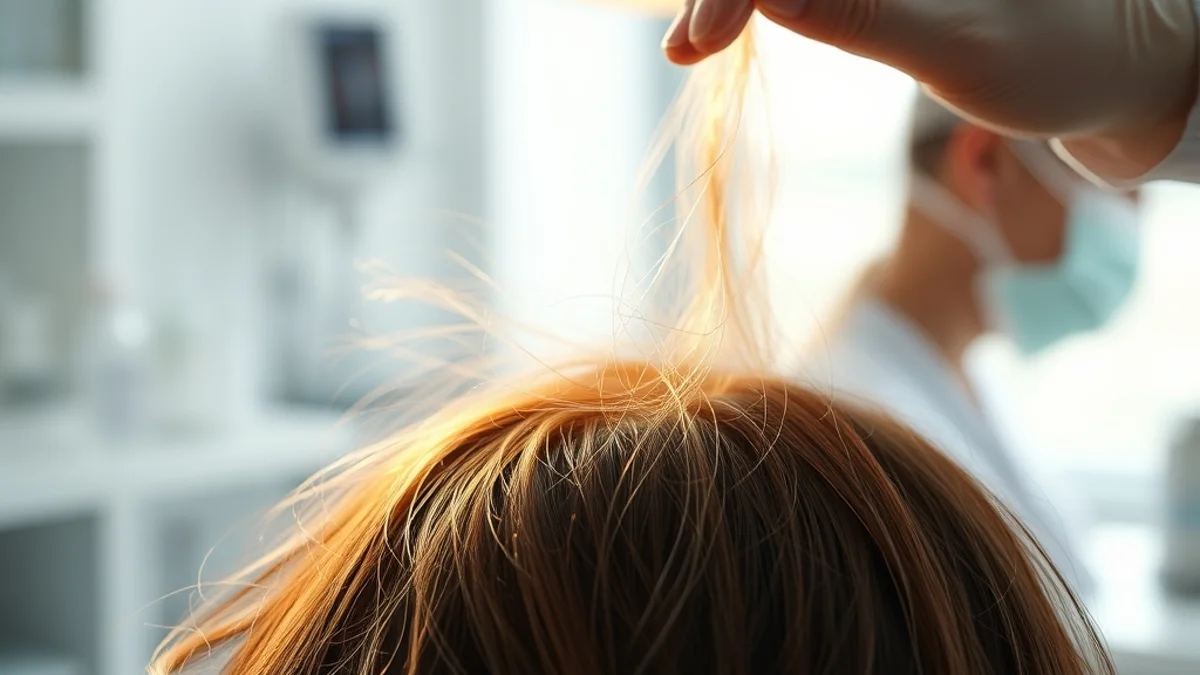
To effectively reduce hair fall and stimulate natural hair growth at home, it is essential to understand the intricate relationship between scalp health, the microbiome, and the integrity of the follicular barrier. By focusing on these elements, individuals can create a conducive environment for hair growth while mitigating common scalp conditions.
Understanding the Scalp Microbiome: A Key to Hair Health
The scalp microbiome comprises a diverse array of microorganisms, including bacteria, fungi, and viruses, which play a crucial role in maintaining scalp health. A balanced microbiome can prevent conditions such as dandruff and seborrheic dermatitis, both of which can contribute to hair fall. One of the most studied fungi in this context is Malassezia, which thrives on scalp sebum. An overgrowth of this organism can lead to inflammation, disrupting the normal hair growth cycle. Maintaining a healthy microbiome involves regular cleansing and the use of products that support microbial diversity while avoiding those that may lead to dysbiosis.
Regulating Sebum Production: The Role of pH and Surfactants
Effective scalp care begins with understanding sebum production and its regulation. The scalp’s natural pH typically ranges between 4.5 and 5.5, which is slightly acidic. This acidity is vital for maintaining the integrity of the skin barrier and the scalp microbiome. Using alkaline shampoos can disrupt this balance, leading to increased sebum oxidation and inflammation. Therefore, selecting shampoos with active surfactants that are pH-balanced is crucial. Ingredients such as sodium cocoyl isethionate and decyl glucoside provide gentle cleansing without stripping the scalp of its natural oils, thus preserving the barrier function and supporting healthy hair growth.
Incorporating Anti-Inflammatory Botanicals and Peptides
To combat inflammation and promote hair growth, incorporating anti-inflammatory botanicals and peptides into your scalp care regimen is essential. Ingredients such as niacinamide, which has shown efficacy in reducing inflammation and improving barrier function, can be particularly beneficial. Other botanical extracts, such as green tea and aloe vera, are rich in polyphenols and antioxidants that help soothe the scalp and reduce oxidative stress. Peptides, such as copper peptides, can also stimulate hair follicles and enhance the overall health of the scalp. Formulating products that combine these ingredients can create a synergistic effect, promoting a healthier scalp environment conducive to hair growth.
Implementing Clinical Wash Protocols for Optimal Follicular Longevity
Establishing a clinical wash protocol tailored to individual scalp conditions can significantly enhance follicular longevity. For those experiencing scalp inflammation, a gentle cleansing routine that incorporates anti-inflammatory agents is paramount. This may include washing the scalp with a mild, sulfate-free shampoo infused with botanical extracts two to three times a week, followed by a targeted treatment serum containing active ingredients like salicylic acid or tea tree oil. These agents can help manage excess sebum and reduce microbial overgrowth. Additionally, incorporating scalp massages during washing can stimulate blood circulation, further promoting hair growth.
Utilizing Nutritional Support for Scalp and Hair Health
Beyond topical treatments, nutritional support plays a vital role in maintaining scalp health and promoting hair growth. A diet rich in omega-3 fatty acids, vitamins A, C, D, E, and minerals such as zinc and iron can support the health of hair follicles. Supplements like biotin and collagen are also popular for their potential benefits in enhancing hair strength and thickness. Ensuring adequate hydration is equally important, as a well-hydrated scalp is less prone to inflammation and irritation. A holistic approach that combines topical and nutritional strategies can yield optimal results in reducing hair fall and fostering natural hair growth.
To discover advanced scalp microbiome therapies, anti-dandruff solutions, and follicular care guides, continue browsing our Scalp Care & Health section below.