
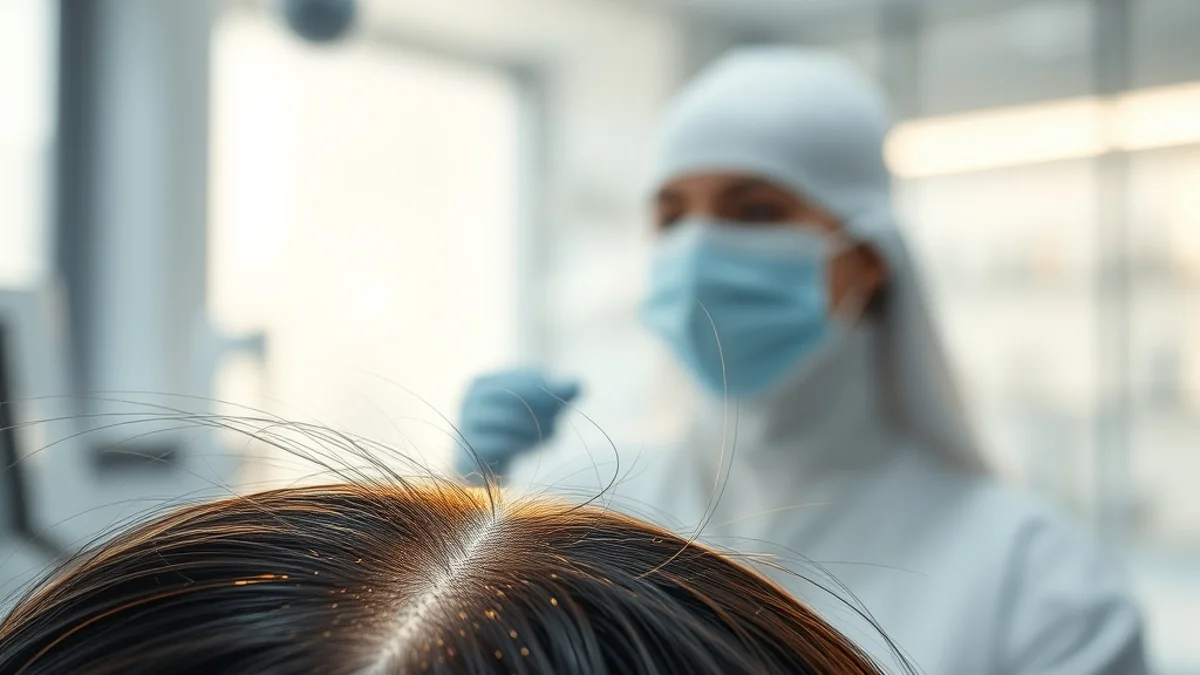
Thinning hair can be distressing, often linked to complex biological mechanisms such as follicular miniaturization and hormonal influences. Understanding the underlying causes and exploring effective home treatments can empower individuals to manage their hair health proactively.
Follicular Miniaturization and DHT Receptors
Follicular miniaturization is a hallmark of androgenetic alopecia, where hair follicles progressively shrink, leading to thinner and shorter hair strands. This process is primarily influenced by dihydrotestosterone (DHT), a potent androgen derived from testosterone. Elevated DHT levels bind to androgen receptors in susceptible hair follicles, triggering a cascade of biological events that culminate in the shortening of the anagen (growth) phase and prolongation of the telogen (resting) phase. The result is a noticeable reduction in hair density and volume.
Research indicates that individuals with a genetic predisposition to androgenetic alopecia exhibit heightened sensitivity to DHT, making early intervention critical. Home treatments targeting DHT, such as topical minoxidil and natural DHT blockers like saw palmetto, can mitigate the effects of this hormone, potentially slowing hair loss and promoting regrowth. Understanding this mechanism is essential for anyone experiencing thinning hair, as it lays the groundwork for effective treatment strategies.
Related: New Electric Comb from China Promises Nearly 100% Hair Regrowth in Mice
Clinical Trial Outcomes and Regrowth Timelines
Recent clinical trials have shed light on the efficacy of various home treatment options for hair thinning. For instance, studies involving minoxidil have demonstrated significant improvements in hair regrowth, with many participants noticing visible results within 12 weeks of consistent use. Minoxidil works by enhancing blood flow to hair follicles, thereby revitalizing dormant follicles and promoting hair growth.
Moreover, combining minoxidil with other agents, such as finasteride or natural supplements, has shown promise in enhancing overall treatment efficacy. While individual results may vary, a comprehensive approach that includes both topical and oral therapies can optimize outcomes. It is crucial for patients to maintain realistic expectations regarding timelines; noticeable changes may take several months, and adherence to treatment protocols is vital for sustained results.
Therapeutic Synergy Between Topicals and Oral Agents
Integrating topical treatments with oral agents can create a synergistic effect that enhances hair regrowth. For example, minoxidil, when used in conjunction with finasteride, targets different pathways involved in hair loss. Minoxidil promotes blood circulation and follicle stimulation, while finasteride inhibits the conversion of testosterone to DHT, addressing the hormonal aspect of hair thinning.
Additionally, natural supplements such as biotin, zinc, and omega-3 fatty acids can support hair health from within. These nutrients play a role in keratin production and overall scalp health, contributing to a more favorable environment for hair growth. Patients should consult with a healthcare provider to tailor a regimen that aligns with their specific needs, ensuring a holistic approach to hair restoration.
Long-Term Maintenance and Shedding Expectations
Understanding the long-term maintenance of hair health is crucial for individuals experiencing thinning hair. Once initial regrowth is achieved, it is essential to continue treatment to prevent future hair loss. Many patients may experience a phenomenon known as “shedding,” where hair appears to fall out more rapidly after starting a new treatment. This is often a temporary phase as the hair follicles transition to a healthier growth cycle.
To maintain results, a consistent regimen that includes both topical and oral treatments is recommended. Regular follow-ups with a trichologist can help monitor progress and make necessary adjustments to the treatment plan. Additionally, lifestyle factors such as diet, stress management, and scalp care play significant roles in sustaining hair health. Incorporating these elements into a comprehensive hair care strategy can enhance the longevity of treatment outcomes.
| Treatment | Efficacy | Time to Results | Notes |
|---|---|---|---|
| Minoxidil (Topical) | High | 12 weeks | Enhances blood flow to follicles |
| Finasteride (Oral) | High | 3-6 months | Inhibits DHT production |
| Biotin (Supplement) | Moderate | 3-6 months | Supports keratin production |
What should I do if I notice increased shedding after starting treatment?
Increased shedding can be a normal response as hair follicles transition to a healthier growth cycle. It is essential to remain consistent with your treatment and consult your healthcare provider if shedding persists beyond a few weeks.
Are there any lifestyle changes that can support hair regrowth?
Yes, maintaining a balanced diet rich in vitamins and minerals, managing stress through relaxation techniques, and ensuring proper scalp hygiene can significantly support hair regrowth and overall scalp health.
For more evidence-based protocols on androgenetic alopecia, minoxidil strategies, and clinical hair restoration, explore our Hair Loss & Regrowth section below.
Home Remedies for Thinning Hair
When it comes to treating thinning hair at home, several natural remedies can help promote hair growth and improve overall scalp health. Here are some effective options:
- Essential Oils: Oils like rosemary, peppermint, and lavender have been shown to stimulate hair follicles. Mix a few drops with a carrier oil, such as coconut or jojoba oil, and massage into the scalp.
- Aloe Vera: Known for its soothing properties, aloe vera can help reduce scalp irritation and promote hair growth. Apply fresh aloe vera gel directly to the scalp and leave it on for a few hours before rinsing.
- Onion Juice: Rich in sulfur, onion juice can enhance blood circulation to the scalp and promote hair growth. Apply onion juice to the scalp, leave it for 30 minutes, and then wash it off with a mild shampoo.
- Egg Mask: Eggs are packed with protein and nutrients essential for hair health. Whisk an egg and apply it to your hair and scalp, leaving it on for 30 minutes before rinsing.
- Green Tea: Rich in antioxidants, green tea can help stimulate hair growth. Brew green tea, let it cool, and apply it to the scalp. Leave it on for an hour before rinsing.
Dietary Changes to Support Hair Health
Your diet plays a crucial role in the health of your hair. Incorporating specific nutrients can help combat thinning hair and promote growth. Here’s a breakdown of essential nutrients and their food sources:
| Nutrient | Benefits | Food Sources |
|---|---|---|
| Protein | Essential for hair structure and growth. | Chicken, fish, eggs, legumes, nuts |
| Iron | Helps carry oxygen to hair follicles. | Red meat, spinach, lentils, fortified cereals |
| Omega-3 Fatty Acids | Supports scalp health and reduces inflammation. | Salmon, walnuts, flaxseeds, chia seeds |
| Biotin | Promotes hair growth and strengthens hair. | Eggs, almonds, avocados, sweet potatoes |
| Zinc | Helps repair hair tissue and maintain oil glands. | Oysters, beef, pumpkin seeds, chickpeas |
Q: How long does it take to see results from home treatments for thinning hair?
A: Results can vary depending on the individual and the treatment used. Generally, you may start to see improvements in hair thickness and growth within 8 to 12 weeks of consistent use of home remedies. However, it’s essential to maintain a regular routine and be patient, as hair growth is a gradual process.
Q: Are there any side effects associated with natural remedies for hair thinning?
A: While most natural remedies are safe, some individuals may experience allergic reactions or irritation. It’s advisable to perform a patch test before applying any new treatment to your scalp. If you notice any adverse reactions, discontinue use and consult a healthcare professional.
Q: Can stress contribute to hair thinning, and how can I manage it?
A: Yes, stress is a significant factor that can lead to hair thinning. Managing stress through techniques such as meditation, yoga, regular exercise, and adequate sleep can help mitigate its effects on hair health. Additionally, engaging in hobbies and spending time with loved ones can also contribute to reducing stress levels.