
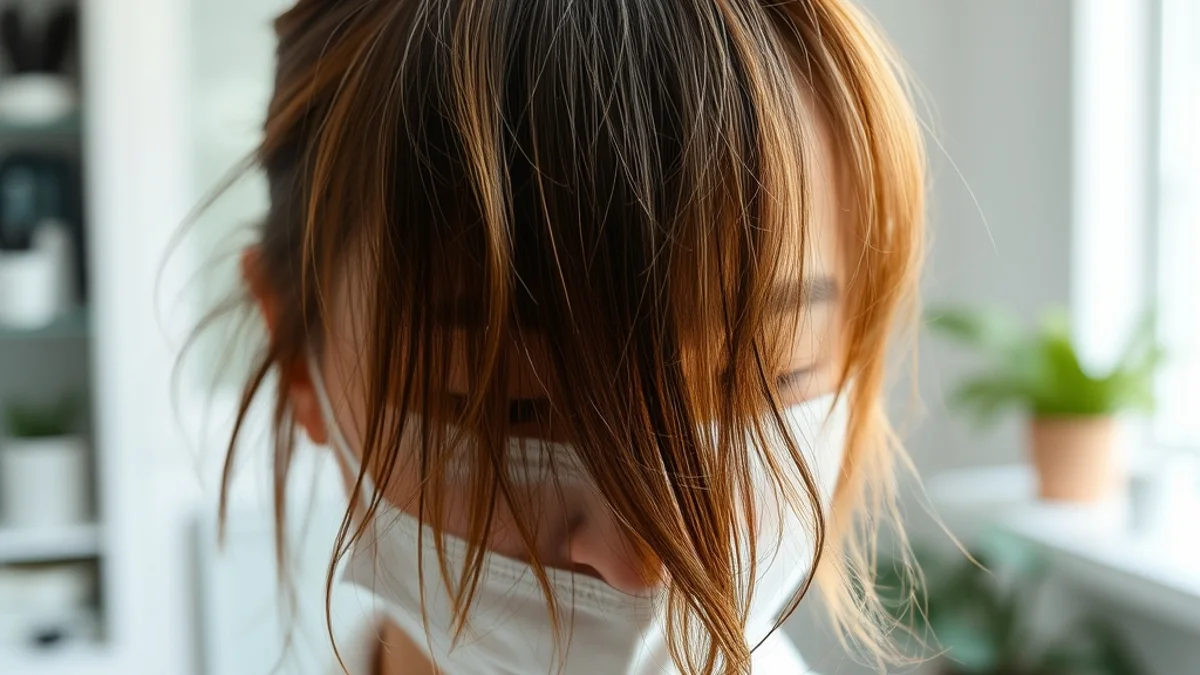
Dandruff, a common scalp condition characterized by flaking and itching, is often attributed to an imbalance in the scalp microbiome, excessive sebum production, and compromised barrier integrity. Understanding the underlying mechanisms of these factors is crucial for effective management and treatment of dandruff, especially for individuals suffering from scalp inflammation, seborrheic dermatitis, or psoriasis.
Malassezia Colonization and Sebum Oxidation
Central to the pathophysiology of dandruff is the yeast Malassezia, a lipophilic fungus that thrives on the scalp’s natural oils. This organism is part of the normal scalp microbiome; however, its overgrowth can lead to inflammation and increased keratinocyte turnover, resulting in the characteristic flakes associated with dandruff. Malassezia metabolizes sebum into free fatty acids, which can irritate the scalp and exacerbate inflammation. Moreover, the oxidation of sebum, influenced by environmental factors and scalp pH, can further promote the growth of Malassezia and disrupt the delicate balance of the scalp microbiome.
To manage Malassezia colonization effectively, it is essential to incorporate antifungal agents such as ketoconazole or zinc pyrithione into scalp care formulations. These ingredients not only inhibit the growth of Malassezia but also help to restore the natural balance of the scalp microbiome. Regular use of such formulations can reduce the inflammatory response and improve overall scalp health.
Active Surfactants, pH Balancing, and Clarifying Rhythms
The choice of surfactants in shampoos plays a pivotal role in maintaining scalp health. Traditional cleansing agents can strip the scalp of its natural oils, disrupting the barrier function and leading to irritation and flaking. Gentle, sulfate-free surfactants are recommended to cleanse without compromising the scalp’s lipid layer. Furthermore, maintaining an optimal pH level (between 4.5 and 5.5) is crucial for preserving the scalp’s acid mantle, which protects against pathogenic organisms and supports a healthy microbiome.
Incorporating clarifying shampoos into a routine, used strategically (e.g., once a week), can help remove product buildup and excess sebum without over-drying the scalp. This rhythmic approach to cleansing allows for the restoration of the scalp’s natural balance, minimizing the risk of dandruff while promoting follicular longevity.
Anti-Inflammatory Botanical and Peptide Formulations
Addressing inflammation is a critical component of dandruff management. Botanical extracts such as tea tree oil, chamomile, and calendula possess inherent anti-inflammatory and antimicrobial properties that can soothe the scalp and reduce irritation. Additionally, peptides like palmitoyl pentapeptide-4 can enhance the skin barrier function and promote healing, making them valuable additions to dandruff treatment protocols.
Formulations that combine these botanicals with peptides not only target the symptoms of dandruff but also work to restore the scalp’s barrier integrity. Regular application of such products can lead to a significant reduction in flaking and itching, ultimately improving the quality of life for those affected by dandruff.
Clinical Wash Protocols for Follicular Longevity
Implementing a clinical wash protocol tailored to individual scalp conditions can enhance treatment efficacy. This involves a multi-step approach that includes pre-treatment with scalp exfoliants to remove dead skin cells and promote circulation, followed by the application of targeted anti-dandruff shampoos. The use of conditioners that reinforce the scalp barrier and provide hydration is equally important, as it helps to maintain moisture levels and prevent further irritation.
For individuals with severe dandruff or associated conditions like seborrheic dermatitis or psoriasis, a consultation with a trichologist or dermatologist is recommended to develop a personalized treatment plan. This may include prescription-strength formulations and adjunct therapies such as light therapy or medicated scalp treatments.
In conclusion, understanding the multifaceted causes of dandruff—from Malassezia overgrowth to compromised barrier function—enables the development of effective, targeted treatment protocols. By focusing on maintaining a balanced scalp microbiome and implementing practical scalp care strategies, individuals can achieve healthier scalp conditions and reduce the incidence of dandruff.
To discover advanced scalp microbiome therapies, anti-dandruff solutions, and follicular care guides, continue browsing our Scalp Care & Health section below.