
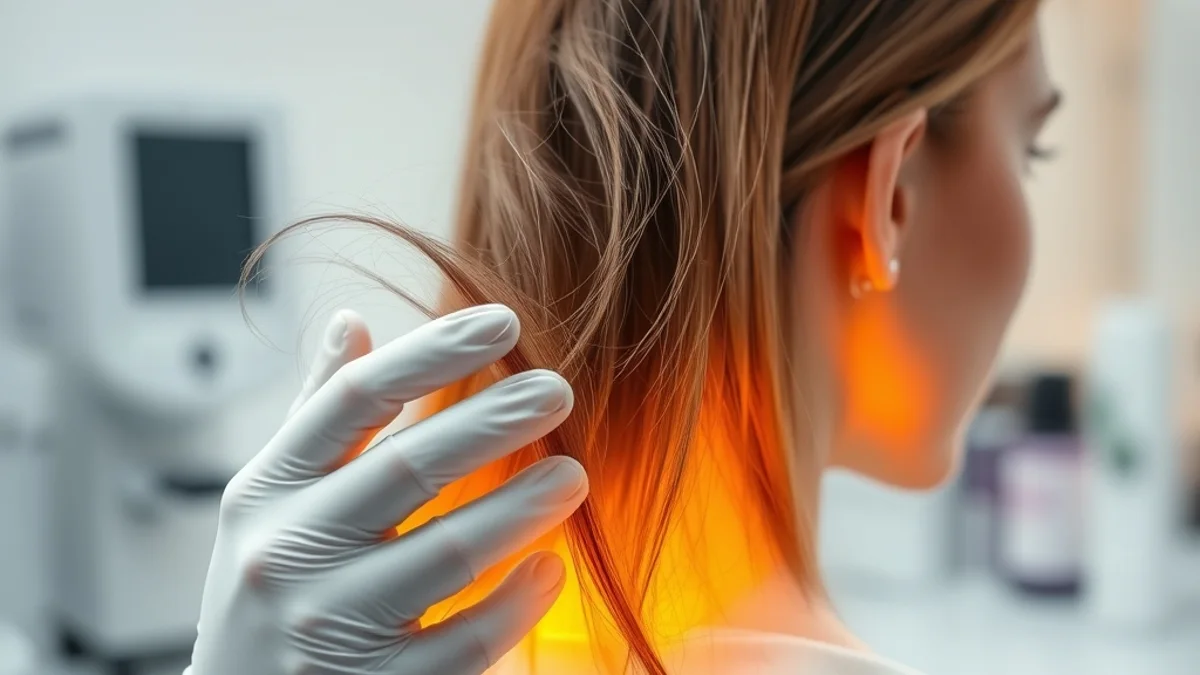
Dandruff, a common scalp condition characterized by flaking and irritation, arises from a complex interplay of microbial imbalance, sebum production, and skin barrier dysfunction. Understanding the underlying mechanisms is crucial for effective management and treatment, particularly for individuals suffering from scalp inflammation, seborrheic dermatitis, or psoriasis.
Malassezia Colonization and Sebum Oxidation
At the heart of dandruff pathology is the yeast Malassezia, a lipophilic fungus that thrives on the scalp’s sebum. In healthy individuals, Malassezia exists in a balanced state, contributing to the scalp’s microbiome. However, when sebum production becomes excessive, often due to hormonal fluctuations or genetic predisposition, Malassezia can proliferate uncontrollably. This overgrowth leads to increased production of oleic acid and other irritants, which can trigger an inflammatory response characterized by itching and flaking.
Moreover, the oxidation of sebum can exacerbate the condition. When sebum is exposed to environmental stressors such as UV radiation and pollution, it undergoes oxidative stress, resulting in the formation of free radicals. These reactive species can damage skin cells and further compromise the scalp barrier, perpetuating a cycle of inflammation and dandruff. Therefore, maintaining a balanced sebum production and minimizing oxidative stress are critical components in managing dandruff effectively.
Active Surfactants, pH Balancing, and Clarifying Rhythms
The choice of cleansing agents plays a pivotal role in scalp health. Surfactants, which are the primary cleansing agents in shampoos, can significantly influence the scalp’s microbiome. Traditional sulfates, while effective at removing excess oil and debris, can disrupt the scalp’s natural barrier and alter pH levels, leading to irritation and exacerbation of dandruff symptoms. A balanced pH, ideally between 4.5 and 5.5, is essential for maintaining the integrity of the scalp barrier and supporting a healthy microbiome.
Incorporating gentle, non-ionic surfactants and pH-balanced formulations can help preserve the scalp’s natural oils while effectively cleansing. Additionally, implementing a clarifying rhythm—periodic use of clarifying shampoos designed to remove product buildup and excess sebum—can restore balance without compromising the scalp’s protective barrier. This approach not only alleviates dandruff symptoms but also promotes overall scalp health.
Anti-Inflammatory Botanical and Peptide Formulations
To combat the inflammatory processes associated with dandruff, the incorporation of anti-inflammatory botanicals and peptides into scalp care formulations is essential. Ingredients such as **tea tree oil**, **aloe vera**, and **chamomile** possess potent anti-inflammatory properties that can soothe irritated skin and reduce flaking. These botanicals work synergistically to modulate the immune response and promote healing, thus addressing the root causes of inflammation.
Peptides, particularly those derived from natural sources, can also play a crucial role in scalp health. They support skin barrier function, enhance hydration, and promote cellular regeneration. Formulations containing peptides such as **acetyl hexapeptide-1** or **palmitoyl pentapeptide-4** can help restore the scalp’s integrity, making it more resilient against environmental stressors and microbial overgrowth. By integrating these advanced ingredients, practitioners can create effective treatments that not only alleviate dandruff but also enhance overall scalp health.
Clinical Wash Protocols for Follicular Longevity
Implementing a structured clinical wash protocol is vital for individuals experiencing chronic dandruff or related scalp conditions. This protocol should include a combination of gentle cleansing, targeted treatments, and regular exfoliation to maintain follicular health and prevent buildup. A recommended regimen may involve alternating between a medicated shampoo containing **zinc pyrithione** or **ketoconazole** and a gentle, hydrating formula to ensure effective dandruff control while minimizing irritation.
Additionally, incorporating scalp exfoliation techniques, such as using a soft brush or scalp scrub, can help remove dead skin cells and excess sebum, promoting a healthier environment for hair follicles. Regularly scheduled treatments—every 1 to 2 weeks—can significantly improve scalp condition and reduce the frequency of dandruff flare-ups. Monitoring the scalp’s response to these protocols is essential, allowing for adjustments based on individual needs and sensitivities.
In conclusion, managing dandruff requires a multifaceted approach that addresses the underlying causes, including microbial imbalance, sebum regulation, and skin barrier integrity. By understanding these mechanisms and implementing effective scalp care protocols, individuals can achieve lasting relief from dandruff and enhance their overall scalp health.
To discover advanced scalp microbiome therapies, anti-dandruff solutions, and follicular care guides, continue browsing our Scalp Care & Health section below.