
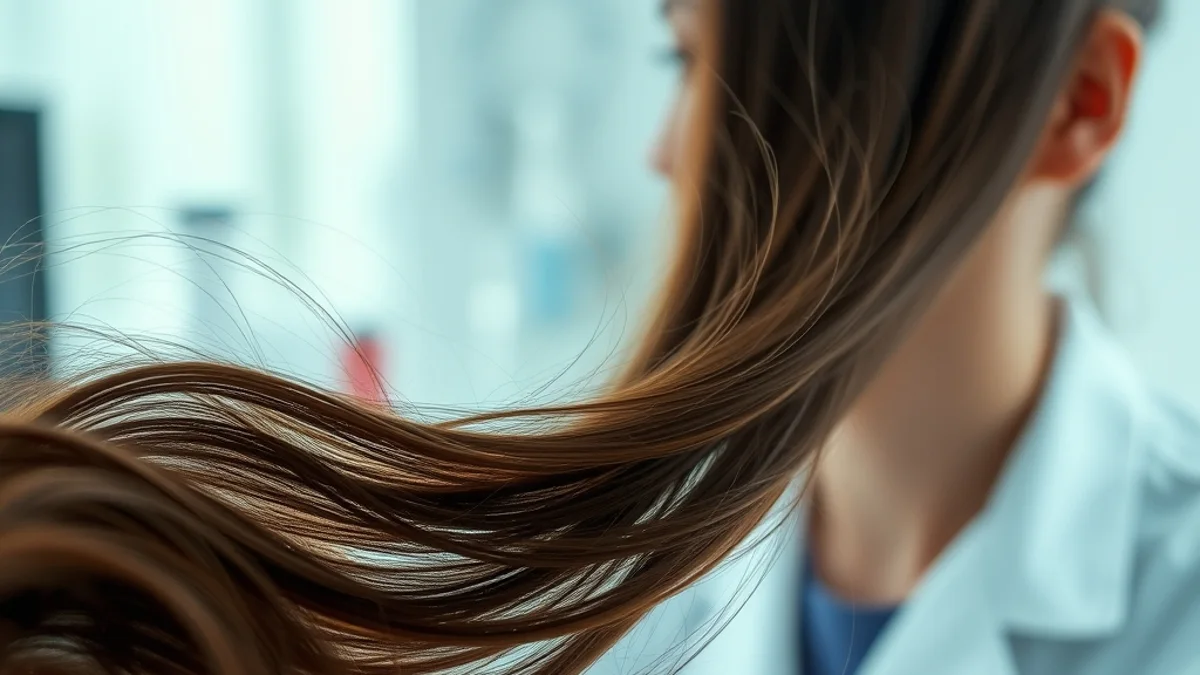
Hair shedding can be a distressing experience, often rooted in complex hormonal interactions and nutritional deficiencies. Dermatologist Dr. Heather Woolery-Lloyd and OB-GYN Dr. Thaïs Aliabadi shed light on the multifaceted causes of hair loss, emphasizing the critical roles played by endocrine axes and micronutrient status.
Serum Ferritin Thresholds and Follicular Cycling
Ferritin, the primary storage form of iron in the body, is crucial for maintaining healthy hair follicles. Research indicates that low serum ferritin levels can lead to telogen effluvium, a condition characterized by excessive shedding. The threshold for ferritin levels associated with hair loss is often cited as below 70 ng/mL, although some studies suggest that optimal levels for hair health may be even higher. Iron is essential for the synthesis of hemoglobin, which transports oxygen to tissues, including the hair follicles. When iron stores are depleted, follicular cycling is disrupted, leading to premature entry into the telogen phase. This disruption can manifest as increased shedding and thinning of hair, making it imperative for clinicians to evaluate ferritin levels in patients presenting with hair loss.
Thyroid Hormones (T3/T4) and Anagen Phase Regulation
The thyroid gland plays a pivotal role in regulating metabolic processes, including hair growth. Thyroid hormones, particularly triiodothyronine (T3) and thyroxine (T4), are integral to the anagen phase of the hair growth cycle. Hypothyroidism can lead to hair thinning and loss due to a slowdown in metabolic activity, resulting in a shortened anagen phase. Conversely, hyperthyroidism may also cause hair loss, albeit through different mechanisms, such as increased hair follicle turnover. Clinicians should assess thyroid function tests, including TSH, T3, and T4 levels, when evaluating patients with unexplained hair shedding. A comprehensive approach that includes thyroid hormone optimization can be beneficial in restoring hair growth.
Evidence-Based Supplementation vs. Biotin Myths
Biotin, or vitamin B7, has long been touted as a miracle supplement for hair growth. However, the evidence supporting its efficacy in treating hair loss is limited, particularly in individuals without a biotin deficiency. Clinical studies have shown that while biotin supplementation may improve hair thickness in those with specific deficiencies, it is not universally effective for all types of hair loss. Instead, a more integrative approach focusing on a range of micronutrients is warranted. Key nutrients such as zinc, vitamin D, and omega-3 fatty acids have shown promise in supporting hair health. Zinc, for example, is essential for keratin production and has been linked to the modulation of hair follicle cycling. Clinicians should prioritize a comprehensive nutritional assessment and consider a tailored supplementation strategy that addresses individual deficiencies rather than relying solely on biotin.
Dietary Protein Density and Keratin Synthesis
Hair is primarily composed of keratin, a fibrous protein that requires adequate dietary protein intake for optimal synthesis. Insufficient protein consumption can lead to hair thinning and shedding, as the body prioritizes essential functions over hair production. The recommended daily allowance (RDA) for protein varies based on age, sex, and activity level, but a general guideline suggests 0.8 grams of protein per kilogram of body weight. High-quality protein sources, including lean meats, fish, eggs, and legumes, provide the amino acids necessary for keratin synthesis. Additionally, specific amino acids such as cysteine and methionine play critical roles in the structural integrity of hair. Clinicians should evaluate dietary habits and consider recommending protein-rich diets or supplements to patients experiencing hair loss.
Hormonal Fluctuations: Estrogen and Androgen Shifts
Hormonal fluctuations, particularly involving estrogen and androgens, significantly impact hair health. Conditions such as polycystic ovary syndrome (PCOS) can lead to elevated androgen levels, resulting in hair thinning and shedding due to androgenic alopecia. Conversely, estrogen has a protective effect on hair follicles, promoting growth and prolonging the anagen phase. During menopause, the decline in estrogen levels can exacerbate hair loss, highlighting the importance of hormonal balance in maintaining hair density. Clinicians should assess hormonal profiles in patients with hair loss, considering both estrogen and androgen levels, and discuss potential therapeutic interventions, including hormone replacement therapy or anti-androgen medications, as appropriate.
For targeted nutritional plans, ferritin optimization, and hormone-related shedding insights, continue exploring our Hair Nutrition & Hormones section below.