
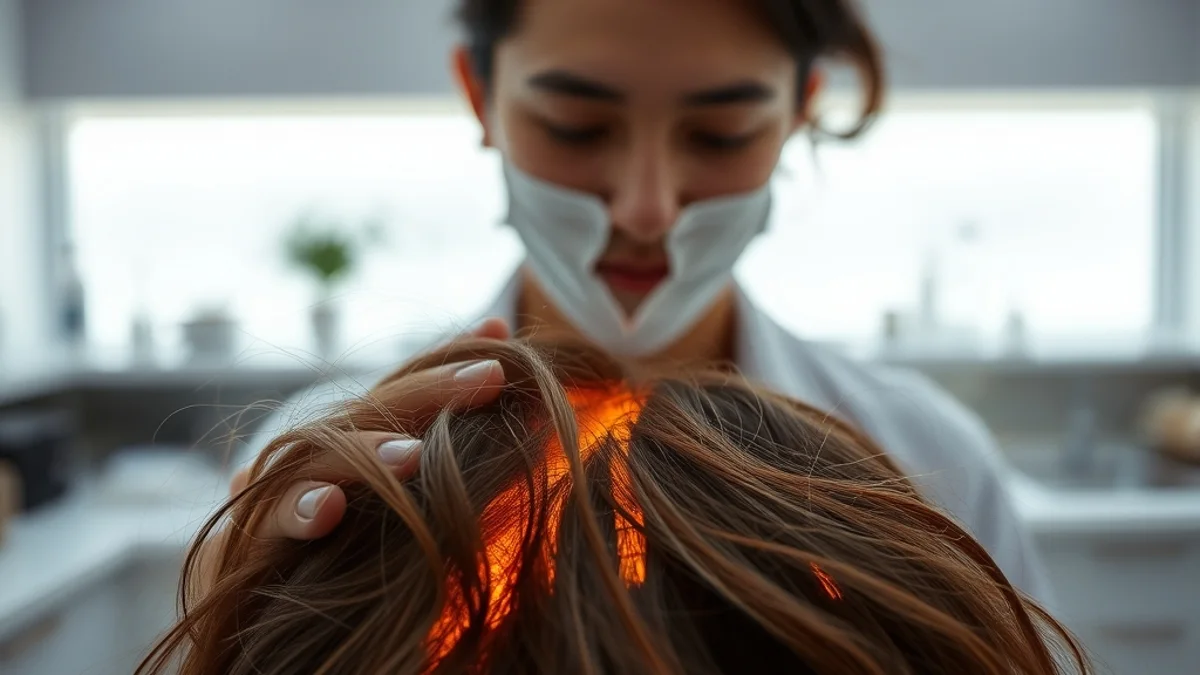
Achieving long, healthy hair begins with a balanced scalp microbiome and a well-functioning barrier. Understanding the interplay between scalp health, inflammation, and hair growth is essential for those experiencing conditions such as dandruff, seborrheic dermatitis, or psoriasis. This guide explores 23 scientifically-backed strategies to promote hair growth by optimizing scalp health.
Microbial Harmony: The Role of Malassezia and Sebum Regulation
The scalp is home to a diverse microbiome, with Malassezia yeast being a predominant organism. This fungus thrives on the scalp’s natural oils, or sebum, which is crucial for maintaining a healthy barrier. However, overgrowth can lead to inflammation and conditions like seborrheic dermatitis. To promote hair growth, it is essential to regulate sebum production and maintain microbial balance. Implementing a regimen that includes antifungal agents such as ketoconazole or zinc pyrithione can help manage Malassezia levels, reducing inflammation and promoting a healthier environment for hair follicles.
pH Balancing: The Importance of Surfactants and Cleansing Protocols
Maintaining an optimal scalp pH (between 4.5 and 5.5) is vital for barrier integrity and microbial balance. Harsh surfactants can disrupt this balance, leading to dryness and irritation. Instead, opt for gentle, sulfate-free cleansers that respect the scalp’s natural acidity. Incorporating clarifying shampoos periodically can help remove buildup without compromising the scalp’s protective layer. A well-structured cleansing routine, tailored to individual scalp conditions, can significantly enhance follicular health and stimulate hair growth.
Botanical and Peptide Formulations: Harnessing Nature for Anti-Inflammatory Benefits
Integrating anti-inflammatory botanicals and peptides into your scalp care regimen can provide significant benefits. Ingredients like niacinamide, aloe vera, and green tea extract have demonstrated efficacy in reducing inflammation and promoting healing. Peptides, such as copper peptides, can stimulate hair growth by enhancing blood circulation and supporting follicular health. Formulations that combine these active ingredients can help soothe an irritated scalp while fostering an environment conducive to hair growth.
Clinical Wash Protocols: Ensuring Follicular Longevity
Establishing a clinical wash protocol tailored to individual scalp conditions is crucial for maintaining follicular longevity. This involves not only the choice of cleansing agents but also the frequency and technique of washing. For those with inflammatory conditions, a bi-weekly wash schedule using anti-inflammatory and antifungal formulations can help maintain scalp health. Additionally, incorporating scalp massages during washing can enhance circulation, promoting nutrient delivery to hair follicles. This holistic approach ensures that the scalp remains healthy, reducing the risk of hair loss and fostering growth.
Nutrition and Lifestyle: Supporting Hair Growth from Within
While topical treatments are essential, internal factors also play a significant role in hair health. A diet rich in vitamins and minerals, particularly biotin, zinc, and omega-3 fatty acids, can support hair growth. Additionally, managing stress through practices like yoga or meditation can mitigate the effects of stress-related hair loss. Ensuring adequate hydration and sleep also contributes to overall scalp health, creating a supportive environment for hair growth.
In conclusion, achieving long, healthy hair is a multifaceted journey that begins with a focus on scalp health. By understanding the intricate relationship between the scalp microbiome, barrier integrity, and inflammation, individuals can adopt targeted strategies to enhance hair growth. From microbial management to nutritional support, each element plays a crucial role in fostering an optimal environment for hair to thrive.
To discover advanced scalp microbiome therapies, anti-dandruff solutions, and follicular care guides, continue browsing our Scalp Care & Health section below.