
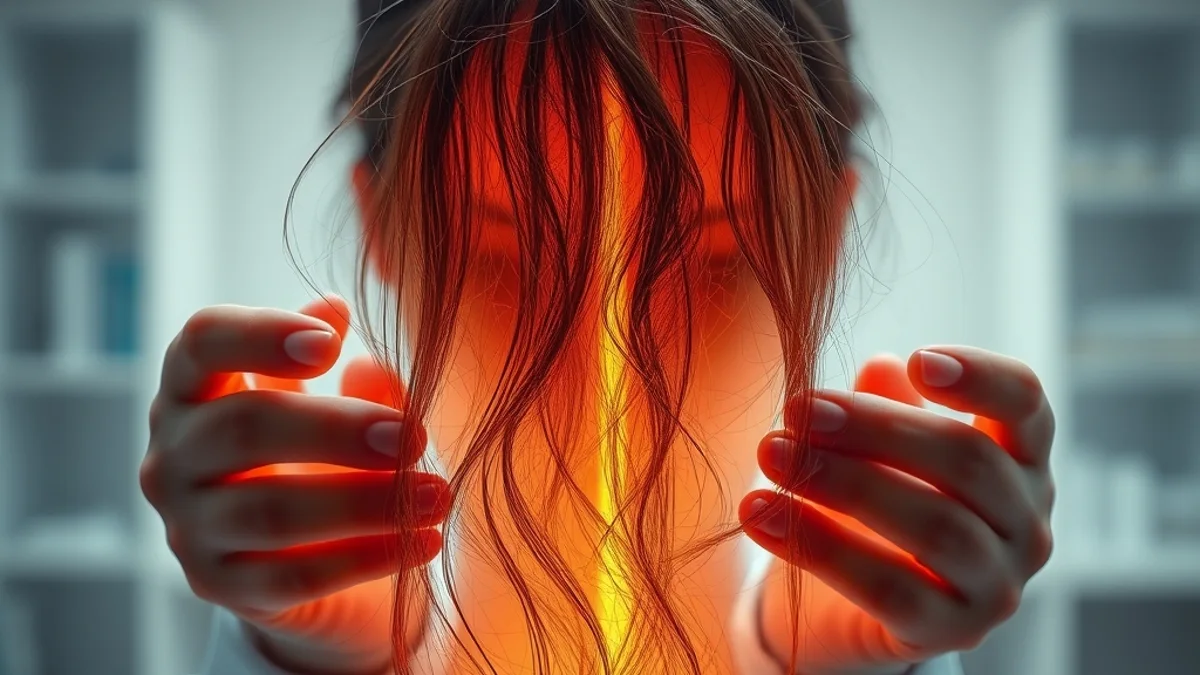
The rise of certain hairstyles among Gen Z, particularly tight ponytails and braids, has raised concerns among dermatologists regarding their potential to induce traction alopecia. This condition, characterized by hair loss due to mechanical stress on hair follicles, may lead to permanent follicular damage if not addressed promptly.
Understanding Traction Alopecia: Mechanisms and Clinical Presentation
Traction alopecia occurs when hair is subjected to prolonged tension, often resulting from hairstyles that pull the hair tightly. This mechanical stress can lead to follicular miniaturization, where hair follicles shrink and produce progressively finer hair. Over time, if the tension persists, it can cause inflammation and scarring, ultimately leading to irreversible hair loss. Clinically, traction alopecia is often identified by the presence of thinning hair along the hairline and temples, with a characteristic pattern that differs from androgenetic alopecia. Dermatologists emphasize the importance of recognizing early signs, such as increased shedding or thinning, to prevent permanent damage.
Gen Z Hairstyles: A Double-Edged Sword
The popularity of hairstyles such as sleek ponytails, tight braids, and intricate updos among Gen Z is not merely a fashion statement; it reflects broader cultural trends and social media influences. However, these styles often involve significant tension on the hair shafts and follicles. Studies indicate that the frequency and duration of these hairstyles correlate with the severity of traction alopecia. For instance, a study published in the Journal of the American Academy of Dermatology found that individuals who frequently wore tight hairstyles reported higher instances of hair thinning and loss. The cultural significance of these hairstyles cannot be understated, yet awareness of their potential consequences is crucial for maintaining hair health.
Follicular Miniaturization and DHT Receptors
While traction alopecia is primarily mechanical, it is essential to consider the role of dihydrotestosterone (DHT) in hair loss. DHT, a potent androgen derived from testosterone, binds to androgen receptors in hair follicles, leading to miniaturization, particularly in genetically predisposed individuals. In cases where traction alopecia coexists with androgenetic alopecia, the effects can be compounded, resulting in a more pronounced loss of density. Understanding the interplay between mechanical stress and hormonal influences is vital for developing effective treatment strategies. Clinicians should evaluate patients for both conditions to tailor interventions appropriately.
Clinical Trial Outcomes and Regrowth Timelines
Recent clinical trials have explored various treatment modalities for traction alopecia, focusing on both prevention and regrowth. Topical minoxidil, a well-established treatment for androgenetic alopecia, has shown promise in promoting hair regrowth in cases of traction alopecia as well. In one study, participants applying minoxidil twice daily experienced significant improvements in hair density within 16 weeks. However, results can vary based on the duration and severity of the condition. Early intervention is critical; patients who address their hairstyles and initiate treatment promptly are more likely to see favorable outcomes. Additionally, integrating oral finasteride in male patients or hormonal treatments in females may enhance results, particularly in those with underlying androgenetic predisposition.
Therapeutic Synergy Between Topicals and Oral Agents
The combination of topical and oral treatments can yield synergistic effects in managing traction alopecia. Topical agents like minoxidil can stimulate hair follicles, while oral agents such as finasteride can reduce DHT levels, addressing both mechanical and hormonal aspects of hair loss. A comprehensive approach that includes patient education on safe hairstyling practices is essential. Dermatologists should guide patients on alternative styles that minimize tension, such as loose braids or ponytails, and encourage regular scalp massages to enhance circulation and follicular health. Furthermore, incorporating nutritional support, including biotin and omega-3 fatty acids, may provide additional benefits for hair strength and health.
Long-Term Maintenance and Shedding Expectations
Patients often express concern about the long-term implications of traction alopecia, particularly regarding shedding and regrowth timelines. It is crucial to set realistic expectations; while some patients may experience rapid improvements, others may require extended treatment periods. Continuous monitoring and adjustment of treatment protocols are necessary to optimize outcomes. Patients should be informed that shedding may initially increase as hair follicles transition from a dormant to an active growth phase, which is a normal part of the regrowth process. Regular follow-up appointments can help assess progress and make necessary adjustments to treatment plans, ensuring that patients remain engaged and informed throughout their journey.
For more evidence-based protocols on androgenetic alopecia, minoxidil strategies, and clinical hair restoration, explore our Hair Loss & Regrowth section below.