
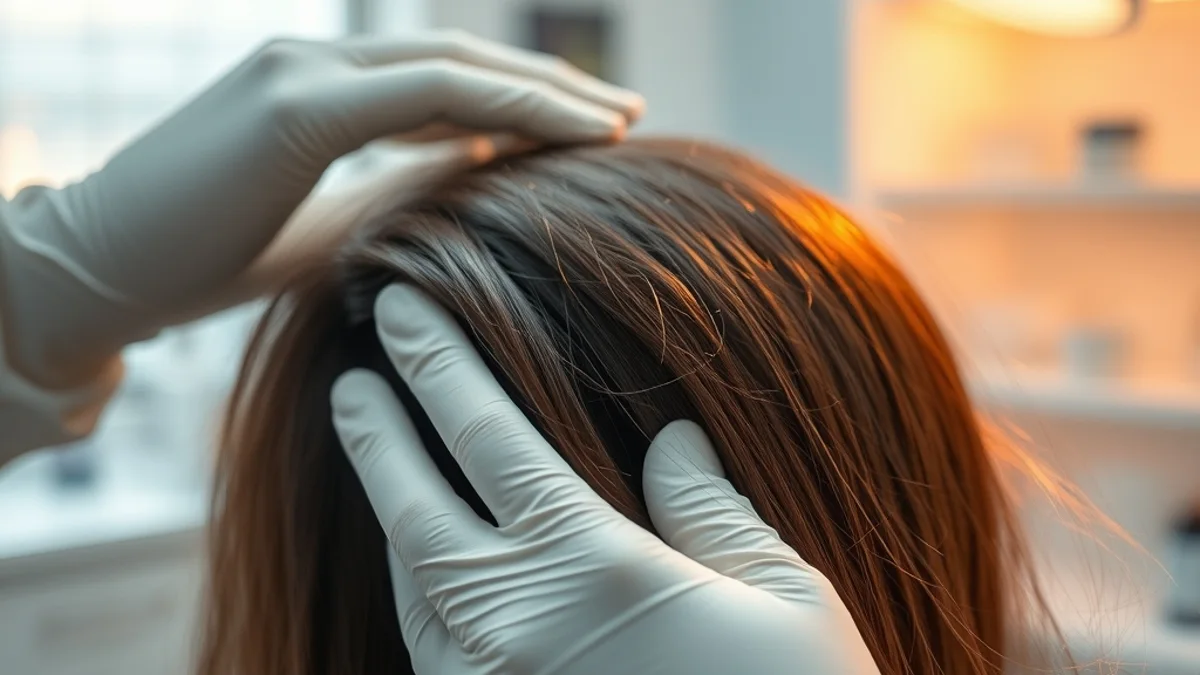
The phenomenon of hair shedding can often be traced back to complex interactions within the endocrine system and nutritional deficiencies. Dermatologist Dr. Heather Woolery-Lloyd and OB-GYN Dr. Thaïs Aliabadi elucidate the multifactorial causes behind hair loss, emphasizing the critical roles of hormonal imbalances and micronutrient availability in maintaining healthy hair follicles.
## Serum Ferritin Thresholds and Follicular Cycling
Ferritin, a protein that stores iron, plays a pivotal role in hair health. Research indicates that low serum ferritin levels correlate with telogen effluvium, a condition characterized by excessive shedding. The threshold for optimal ferritin levels is often cited as being above 70 ng/mL for maintaining healthy hair growth. Below this threshold, hair follicles may enter a prolonged resting phase, leading to increased shedding and diminished hair density.
Iron is essential for various cellular processes, including DNA synthesis and the proliferation of keratinocytes in hair follicles. A deficiency can disrupt the hair growth cycle, particularly the anagen (growth) phase, resulting in a higher proportion of hair follicles transitioning to the telogen (resting) phase. Therefore, assessing ferritin levels should be a standard part of any comprehensive evaluation for individuals experiencing hair loss.
## Thyroid Hormones (T3/T4) and Anagen Phase Regulation
Thyroid hormones, particularly thyroxine (T4) and triiodothyronine (T3), are crucial regulators of metabolic processes, including hair follicle cycling. Hypothyroidism can lead to hair thinning and shedding due to insufficient hormone levels that impair the anagen phase. Conversely, hyperthyroidism can also result in hair loss, albeit through different mechanisms, including increased hair follicle turnover.
Clinical studies have shown that patients with thyroid dysfunction often report hair loss as a significant symptom. The relationship between thyroid hormones and hair health underscores the necessity for healthcare providers to evaluate thyroid function in patients presenting with hair shedding. A comprehensive thyroid panel, including TSH, Free T3, and Free T4, can provide insight into whether thyroid dysfunction is contributing to hair loss.
## Evidence-Based Supplementation vs. Biotin Myths
Biotin, a water-soluble B vitamin, has gained popularity as a supplement for hair health. However, the evidence supporting its efficacy in treating hair loss is limited, particularly in individuals without a documented deficiency. While biotin deficiency can lead to hair thinning, it is relatively rare in the general population.
Instead, a more integrative approach to supplementation should focus on micronutrients that have robust clinical support for hair health, such as zinc, vitamin D, and omega-3 fatty acids. Zinc plays a crucial role in hair tissue growth and repair, while vitamin D is essential for the hair follicle cycle. Omega-3 fatty acids contribute to scalp health and may help reduce inflammation that can lead to hair loss. Therefore, rather than relying solely on biotin, individuals experiencing hair shedding should consider a broader spectrum of nutrients that support follicular health.
## Dietary Protein Density and Keratin Synthesis
Dietary protein intake is fundamental to hair health, as hair is primarily composed of keratin, a fibrous protein. Insufficient protein consumption can lead to a decrease in hair growth and an increase in shedding. The recommended dietary allowance (RDA) for protein varies by age and sex, but for adults, it generally ranges from 46 to 56 grams per day.
High-quality protein sources, such as lean meats, fish, eggs, and legumes, provide essential amino acids necessary for keratin synthesis. Amino acids like cysteine and methionine are particularly important, as they contain sulfur, which is vital for the structural integrity of keratin. A diet rich in protein not only supports hair growth but also enhances overall health, making it a critical component of any strategy aimed at mitigating hair shedding.
## Cortisol Levels and Stress-Induced Shedding
Chronic stress is a well-documented factor that can exacerbate hair shedding through the elevation of cortisol levels. Cortisol, the body’s primary stress hormone, can disrupt the hair growth cycle by pushing hair follicles into the telogen phase prematurely. This condition, known as telogen effluvium, can result in noticeable hair thinning, particularly in individuals experiencing prolonged periods of stress.
Managing stress through lifestyle modifications, such as mindfulness, yoga, and adequate sleep, can help regulate cortisol levels and promote a healthier hair growth cycle. Additionally, incorporating adaptogenic herbs, such as ashwagandha or rhodiola, may provide further support in managing stress-related hair loss.
In conclusion, understanding the intricate relationships between hormones, micronutrients, and hair health is essential for addressing hair shedding effectively. By evaluating serum ferritin, thyroid function, and nutritional status, individuals can take a proactive approach to mitigate hair loss and promote healthier hair growth.
For targeted nutritional plans, ferritin optimization, and hormone-related shedding insights, continue exploring our Hair Nutrition & Hormones section below.