
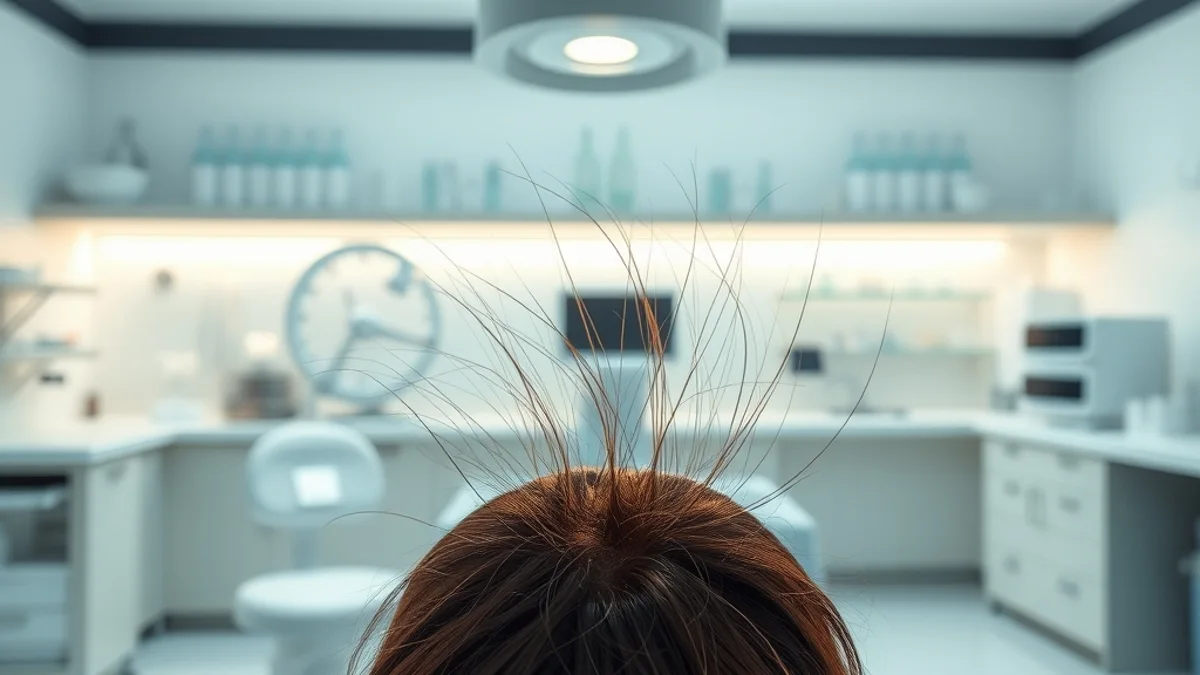
Dandruff, a common yet often misunderstood scalp condition, arises from a complex interplay of factors including microbial imbalance, sebum production, and inflammatory responses. Understanding these mechanisms is crucial for developing effective scalp care protocols that restore the microbiome balance and enhance barrier integrity.
## Malassezia Colonization and Sebum Oxidation
At the heart of dandruff pathology lies the yeast Malassezia, a commensal organism that thrives on the scalp’s sebum. Under normal circumstances, Malassezia contributes to the scalp’s microbiome, aiding in the breakdown of lipids. However, when sebum production is excessive—often due to hormonal fluctuations or dietary factors—Malassezia can proliferate uncontrollably. This overgrowth leads to the production of irritative byproducts, such as oleic acid, which can disrupt the scalp’s barrier function, resulting in inflammation and the characteristic flaking associated with dandruff.
Sebum oxidation further complicates the situation. Oxidized lipids can trigger an inflammatory response, exacerbating symptoms and creating a vicious cycle of irritation and flaking. Therefore, managing sebum levels and preventing oxidative stress are critical components of an effective dandruff treatment strategy.
## Active Surfactants, pH Balancing, and Clarifying Rhythms
The choice of cleansing agents in hair care formulations significantly impacts scalp health. Traditional shampoos often contain harsh surfactants that can strip the scalp of its natural oils, leading to compensatory sebum overproduction. This imbalance can worsen dandruff symptoms.
Formulations that incorporate mild, sulfate-free surfactants can help maintain the scalp’s natural lipid barrier while effectively removing debris and excess sebum. Additionally, pH balancing is vital; a scalp pH of around 5.5 is optimal for maintaining the integrity of the skin barrier and supporting beneficial microbial populations. Regular use of clarifying shampoos, when appropriately timed, can also help to reset the scalp environment, reducing the buildup of sebum and Malassezia.
## Anti-Inflammatory Botanical and Peptide Formulations
Integrating anti-inflammatory botanicals and peptides into scalp care products can provide significant relief for individuals suffering from dandruff. Ingredients such as tea tree oil, known for its antifungal properties, can inhibit Malassezia growth while also soothing inflammation. Similarly, botanical extracts like chamomile and calendula possess anti-inflammatory and calming effects, which can alleviate redness and irritation associated with dandruff.
Peptides, particularly those that promote skin barrier repair, can enhance the scalp’s resilience against environmental stressors. Formulations containing these ingredients should be considered for their dual role in addressing both microbial imbalance and inflammation, thereby fostering a healthier scalp environment.
## Clinical Wash Protocols for Follicular Longevity
Establishing a clinical wash protocol is essential for maintaining scalp health and longevity of hair follicles. A regimen that includes a combination of cleansing, exfoliation, and treatment can optimize scalp conditions. For instance, a weekly exfoliating treatment can help remove dead skin cells and reduce the buildup of sebum, while a bi-weekly use of medicated shampoos containing zinc pyrithione or ketoconazole can target Malassezia overgrowth effectively.
Moreover, incorporating a post-wash scalp treatment that reinforces barrier function can further enhance results. Products that contain ceramides or fatty acids can help restore the lipid barrier, preventing moisture loss and reducing inflammation. This holistic approach not only addresses dandruff but also promotes overall scalp health, ensuring the longevity of hair follicles.
In conclusion, dandruff is a multifaceted condition that requires a comprehensive understanding of the scalp’s microbiome and barrier integrity. By addressing the underlying causes—such as Malassezia overgrowth, sebum regulation, and inflammation—through targeted scalp care protocols, individuals can achieve lasting relief and improved scalp health.
To discover advanced scalp microbiome therapies, anti-dandruff solutions, and follicular care guides, continue browsing our Scalp Care & Health section below.