
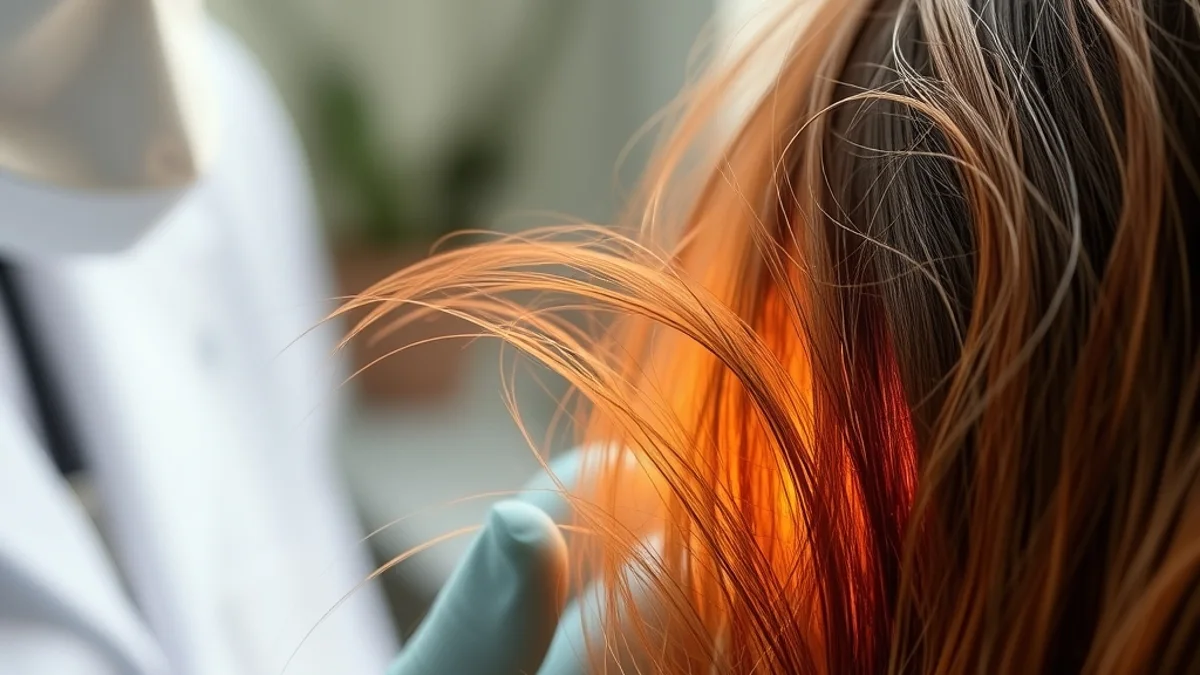
The festive season often brings joy and celebration, but it can also lead to increased hair fall, scalp stress, and styling damage due to environmental factors and intensive styling practices. Understanding the underlying mechanisms and advanced clinical interventions can empower individuals to maintain hair health during this demanding time.
Cellular Mechanisms of Photobiomodulation and Mitochondrial ATP
Photobiomodulation (PBM) has emerged as a promising non-invasive treatment for hair loss, leveraging low-level light therapy (LLLT) to stimulate cellular activity. The primary mechanism involves the absorption of light by mitochondrial chromophores, which leads to enhanced adenosine triphosphate (ATP) production. Increased ATP levels promote cellular metabolism and proliferation, particularly in hair follicle keratinocytes and dermal papilla cells. Studies have demonstrated that PBM can increase hair density and thickness by prolonging the anagen phase of the hair growth cycle, making it a viable option for those experiencing seasonal hair fall exacerbated by stress and styling practices.
Exosomal Signaling and Follicular Stem Cell Activation
Exosomes, nano-sized extracellular vesicles, play a pivotal role in intercellular communication and tissue regeneration. Recent advancements in trichology have highlighted the potential of exosomal therapies to enhance hair growth. These vesicles contain growth factors, cytokines, and genetic material that can modulate the activity of follicular stem cells. By promoting angiogenesis and reducing inflammation, exosomal treatments can create an optimal microenvironment for hair follicle revival. Clinical trials have indicated that exosome therapy can significantly improve hair density and scalp health, particularly in patients suffering from telogen effluvium or stress-induced hair loss.
Patient Selection Criteria and Contraindications for Advanced Therapies
Identifying the right candidates for advanced trichological treatments is crucial for maximizing efficacy and minimizing adverse effects. Patient history should include an assessment of hair loss patterns, underlying medical conditions, and previous treatment responses. Contraindications may include active scalp infections, certain autoimmune disorders, or recent surgical interventions. Additionally, patients with specific genetic predispositions to hair loss may require tailored approaches. A thorough clinical evaluation, including scalp biopsies and trichoscopy, can provide insights into the most appropriate interventions, ensuring that patients receive personalized care that aligns with their unique hair health needs.
Comparative Analysis of Clinical Efficacy and Longevity of Treatment Modalities
When considering treatment options for hair fall and scalp stress, it is essential to evaluate the comparative efficacy and longevity of various modalities. For instance, while LLLT provides immediate benefits in terms of hair density, exosomal therapies may offer longer-lasting results due to their regenerative properties. Surgical interventions, such as follicular unit extraction (FUE), provide permanent solutions but come with higher costs and recovery times. A meta-analysis of recent clinical trials reveals that while LLLT and exosomal therapies show promising results in the short term, combining these approaches with surgical techniques may yield synergistic effects, enhancing overall patient satisfaction and hair restoration outcomes.
Innovative Approaches to Scalp Health and Damage Mitigation
In addition to advanced therapies, maintaining scalp health is vital for preventing hair loss and mitigating damage during the festive season. Incorporating scalp microdermabrasion and chemical peels can enhance product absorption and stimulate circulation. Furthermore, utilizing topical formulations enriched with peptides, antioxidants, and anti-inflammatory agents can provide a protective barrier against environmental stressors. Innovations in scalp care, such as robotic-assisted micro-needling, have also shown potential in promoting collagen production and improving scalp conditions. These multifaceted approaches not only address immediate concerns but also contribute to long-term hair health and resilience.
To stay informed on modern bond repair chemistry, peptide innovations, and clinical trichological research, continue reading our Clinical Hair Science section below.