
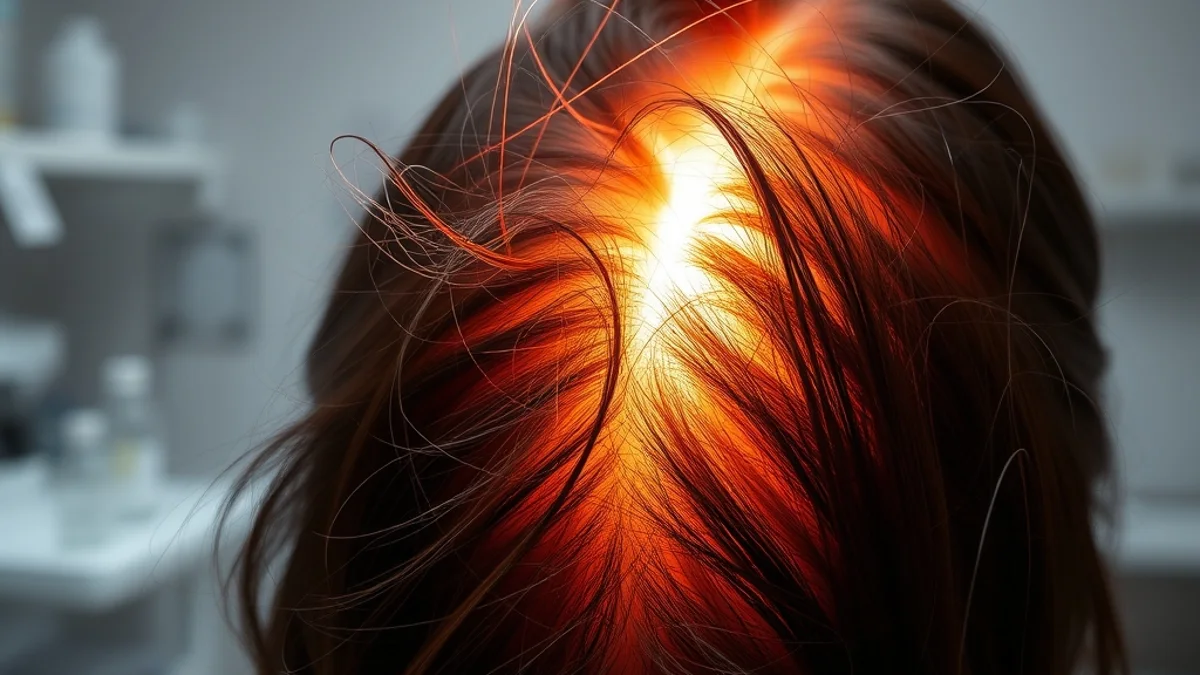
As women age, hormonal fluctuations can lead to hair thinning and changes in hair texture, primarily due to follicular miniaturization and increased sensitivity to dihydrotestosterone (DHT). Establishing an appropriate hair-washing schedule is crucial for maintaining scalp health and optimizing hair fullness in women over 50.
Follicular Miniaturization and DHT Receptors
Follicular miniaturization is a hallmark of androgenetic alopecia, particularly in postmenopausal women. This process involves the gradual shrinking of hair follicles, leading to thinner, shorter hairs. The primary driver of this phenomenon is the sensitivity of hair follicles to DHT, a potent androgen derived from testosterone. In women over 50, decreased estrogen levels can exacerbate this sensitivity, resulting in accelerated hair loss.
Research indicates that DHT binds to androgen receptors in hair follicles, triggering a cascade of biological events that culminate in miniaturization. This process not only impacts hair density but also alters the hair growth cycle, pushing more follicles into the telogen (resting) phase. Understanding this mechanism is essential for developing effective hair care strategies, including the frequency of washing and the types of products used.
Related: Can Vitamin B3 Strengthen Your Hair? Discover the Benefits Now!
Optimal Hair-Washing Frequency for Scalp Health
Determining the best hair-washing schedule for women over 50 requires a balance between maintaining scalp cleanliness and preserving natural oils. For most women in this age group, washing hair 2-3 times a week is generally recommended. This frequency helps to avoid stripping the scalp of essential oils, which can lead to dryness and irritation, further exacerbating hair thinning.
Additionally, using sulfate-free shampoos can minimize damage and maintain moisture levels. Incorporating a gentle scalp massage during washing can also promote blood circulation, potentially enhancing follicular health. It is important to tailor the washing schedule to individual scalp conditions, such as oiliness or dryness, which may necessitate adjustments in frequency.
Clinical Trial Outcomes and Regrowth Timelines
Recent clinical trials have explored various interventions to combat hair thinning in women over 50, including topical minoxidil and low-level laser therapy. For instance, studies have shown that 5% minoxidil can significantly improve hair regrowth in women with androgenetic alopecia, with noticeable results typically observed within 4-6 months of consistent use.
Additionally, low-level laser therapy has demonstrated promising outcomes in promoting hair density and thickness. Patients often report visible improvements within 12 weeks of initiating treatment. These findings underscore the importance of an evidence-based approach to hair care, particularly for women experiencing significant hair loss.
Therapeutic Synergy Between Topicals and Oral Agents
Combining topical treatments with oral agents can enhance therapeutic outcomes for women over 50. Finasteride, an oral DHT inhibitor, has shown efficacy in reducing hair loss and promoting regrowth when used alongside minoxidil. This synergistic approach addresses the underlying hormonal factors contributing to hair thinning while providing immediate topical support.
Furthermore, nutritional supplements containing biotin, zinc, and other essential vitamins can support overall hair health. These supplements may help improve hair strength and reduce breakage, complementing the effects of topical and oral treatments. A comprehensive strategy that includes both topical and systemic therapies can maximize hair health and fullness.
Long-Term Maintenance and Shedding Expectations
Long-term maintenance of hair health in women over 50 requires realistic expectations regarding shedding and regrowth. It is normal to experience some degree of hair shedding, particularly during seasonal changes or hormonal fluctuations. However, maintaining a consistent hair care regimen can mitigate excessive loss.
Regular follow-ups with a trichologist can help monitor hair health and adjust treatment protocols as needed. Women should be encouraged to track their progress and remain patient, as significant improvements may take several months. Understanding the biological underpinnings of hair loss can empower women to make informed decisions about their hair care and treatment options.
| Treatment | Mechanism | Expected Timeframe for Results |
|---|---|---|
| Minoxidil (Topical) | Enhances blood flow to hair follicles | 4-6 months |
| Finasteride (Oral) | DHT inhibition | 3-6 months |
| Low-Level Laser Therapy | Stimulates cellular activity in follicles | 12 weeks |
For more evidence-based protocols on androgenetic alopecia, minoxidil strategies, and clinical hair restoration, explore our Hair Loss & Regrowth section below.
Understanding Hair Changes After 50
As women age, their hair undergoes various changes due to hormonal fluctuations, genetics, and environmental factors. Understanding these changes is crucial for developing an effective hair-washing schedule. After 50, many women experience thinning hair, dryness, and changes in texture. Hormonal shifts, particularly a decrease in estrogen levels, can lead to increased hair shedding and reduced hair volume. Additionally, the natural oil production of the scalp may decrease, resulting in drier hair that is more prone to breakage.
To combat these changes, it is essential to tailor your hair care routine. This includes selecting the right products that cater to your specific hair type and condition. For instance, women with thinning hair may benefit from volumizing shampoos and conditioners, while those with dry hair should opt for moisturizing formulas. Regular trims can also help maintain the health of aging hair by preventing split ends and promoting a fuller appearance.
Creating a Personalized Hair-Washing Schedule
Establishing a personalized hair-washing schedule can significantly impact the health and appearance of your hair. The frequency of washing should depend on your hair type, scalp condition, and lifestyle. Here’s a general guideline to help you create a schedule that works for you:
| Hair Type | Recommended Washing Frequency | Product Suggestions |
|---|---|---|
| Fine or Thinning Hair | 2-3 times a week | Volumizing shampoo and lightweight conditioner |
| Dry or Curly Hair | Once a week | Moisturizing shampoo and deep conditioner |
| Normal Hair | 2-4 times a week | Balanced shampoo and conditioner |
| Oily Hair | Every other day | Clarifying shampoo and oil-control conditioner |
When creating your schedule, consider your daily activities. If you exercise frequently or are exposed to environmental pollutants, you may need to wash your hair more often. Conversely, if you have dry or curly hair, less frequent washing can help retain moisture and prevent frizz. Always listen to your hair and adjust your routine accordingly.
Q: How can I prevent my hair from becoming too dry as I age?
A: To prevent dryness, focus on using hydrating shampoos and conditioners specifically formulated for your hair type. Incorporate leave-in conditioners or hair oils into your routine to lock in moisture. Additionally, limit the use of heat styling tools, and consider using a silk pillowcase to reduce friction while you sleep.
Q: Is it necessary to use a conditioner every time I wash my hair?
A: While it’s not strictly necessary, using a conditioner after every wash is highly recommended, especially for women over 50. Conditioners help to replenish moisture, detangle hair, and provide essential nutrients. If you have fine hair, consider using a lightweight conditioner to avoid weighing your hair down.
Q: What are some signs that I should change my hair-washing routine?
A: If you notice increased hair breakage, excessive dryness, or an oily scalp, it may be time to reassess your hair-washing routine. Additionally, if your hair feels limp or lacks volume, you might need to adjust the frequency of washing or the products you use. Pay attention to how your hair responds to your current routine and make changes as needed.