
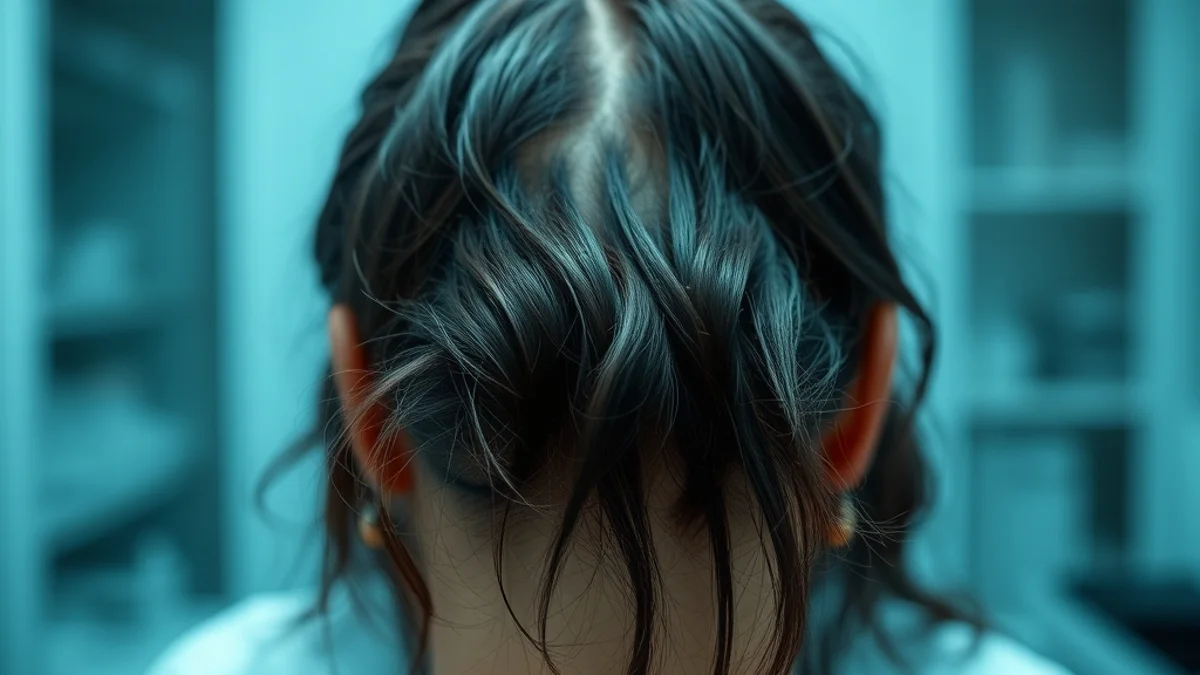
Frizz, a common hair concern, can be exacerbated by environmental factors, hair texture, and damage. As hairstylists increasingly seek effective solutions, the market has responded with innovative shampoos designed to combat frizz through advanced formulations. This guide explores seven frizz-fighting shampoos that are gaining traction among professionals and their underlying mechanisms.
Understanding the Biochemical Basis of Frizz
Frizz occurs when hair strands swell and become rough due to moisture absorption, often exacerbated by damage or lack of moisture retention. The outer layer of the hair, known as the cuticle, plays a crucial role in maintaining smoothness. When the cuticle is compromised, it allows moisture to penetrate, leading to swelling and frizz. Effective frizz-fighting shampoos often contain ingredients that enhance cuticle integrity and moisture retention, such as silicones, oils, and proteins.
Additionally, the pH of hair care products can significantly influence frizz. Hair is most manageable at a pH of 4.5 to 5.5. Shampoos formulated to maintain this pH balance can help close the cuticle, thereby reducing frizz. Ingredients like citric acid and lactic acid can aid in achieving this balance, making them essential components in frizz-fighting formulations.
Related: Why I’m Still Turning to Oils for Thinning Hair: A Comprehensive Guide
Key Ingredients in Frizz-Fighting Shampoos: A Comparative Analysis
| Ingredient | Function | Benefits |
|---|---|---|
| Dimethicone | Silicone-based polymer | Provides a protective barrier, enhances shine, and reduces moisture absorption. |
| Coconut Oil | Natural oil | Penetrates hair shaft, reduces protein loss, and improves moisture retention. |
| Hydrolyzed Keratin | Protein | Repairs damage, strengthens hair structure, and smooths cuticle. |
| Argan Oil | Natural oil | Rich in fatty acids, enhances moisture, and provides antioxidant protection. |
| Polyquaternium | Film-forming agent | Reduces static, enhances manageability, and provides a smooth finish. |
Clinical Efficacy of Frizz-Fighting Shampoos: Evidence from Recent Studies
Recent clinical studies have highlighted the efficacy of specific frizz-fighting shampoos in improving hair texture and reducing frizz. For instance, a study published in the Journal of Cosmetic Dermatology demonstrated that shampoos containing hydrolyzed keratin significantly improved hair smoothness and reduced frizz in participants with naturally curly hair. The study emphasized the importance of protein-based formulations in reinforcing hair structure and enhancing overall appearance.
Another investigation focused on the impact of silicone-based shampoos on frizz control. Results indicated that participants using shampoos with dimethicone reported a noticeable reduction in frizz and increased shine after consistent use over eight weeks. These findings underscore the potential of targeted ingredients in addressing frizz, particularly in humid environments where hair is most susceptible to moisture-related issues.
Patient Selection Criteria for Frizz Management
When considering frizz-fighting shampoos, patient selection is crucial for optimal results. Individuals with naturally curly or wavy hair types often experience more pronounced frizz due to the structure of their hair. Therefore, these patients may benefit significantly from specialized formulations that target their unique hair characteristics.
Moreover, patients with chemically treated hair, such as those who have undergone coloring or perming, should be evaluated for damage levels. Shampoos containing reparative ingredients like hydrolyzed proteins may be particularly beneficial for these individuals, as they help restore hair integrity while combating frizz. It is also essential to assess the patient’s lifestyle and environmental factors, as those living in humid climates may require more robust formulations for effective frizz management.
Innovative Formulations: The Future of Frizz Control
The future of frizz control lies in innovative formulations that leverage cutting-edge technology. For instance, the incorporation of nanotechnology in hair care products allows for deeper penetration of active ingredients, enhancing their efficacy. Shampoos utilizing nanocarriers can deliver moisture and protective agents more effectively, resulting in smoother hair with reduced frizz.
Additionally, advancements in biochemistry have led to the development of peptides that mimic natural hair proteins. These peptides can strengthen hair and improve moisture retention, offering a dual benefit of enhancing hair health while combating frizz. As research continues to evolve, we can expect to see even more sophisticated formulations that address the multifaceted nature of frizz.
Reader Q&A: What Should I Look for in a Frizz-Fighting Shampoo?
When selecting a frizz-fighting shampoo, look for key ingredients like silicones, oils, and proteins that enhance moisture retention and cuticle integrity. Additionally, consider your hair type and any chemical treatments you may have undergone, as these factors can influence the effectiveness of the product.
Reader Q&A: How Often Should I Use Frizz-Fighting Shampoo?
Frequency of use can depend on hair type and environmental factors. For individuals in humid climates or with naturally frizzy hair, using a frizz-fighting shampoo every wash may be beneficial. However, those with fine or oily hair may prefer to alternate with a clarifying shampoo to prevent buildup.
To stay informed on modern bond repair chemistry, peptide innovations, and clinical trichological research, continue reading our Clinical Hair Science section below.
Understanding Frizz: Causes and Solutions
Frizz is a common hair concern that can affect individuals with various hair types. Understanding the underlying causes of frizz is crucial for selecting the right products and treatments. Frizz occurs when the hair’s cuticle layer becomes raised, allowing moisture to enter and swell the hair shaft. This can be exacerbated by factors such as humidity, heat styling, and damage from chemical treatments.
There are several solutions to combat frizz effectively. First, using a sulfate-free shampoo can help maintain moisture levels in the hair. Additionally, incorporating a deep conditioning treatment into your routine can strengthen the hair and reduce frizz. For those who frequently style their hair with heat, using a heat protectant spray can also minimize damage and frizz. Finally, choosing the right styling products, such as anti-frizz serums or creams, can provide a protective barrier against humidity and keep hair smooth throughout the day.
How to Choose the Right Frizz-Fighting Shampoo
When selecting a frizz-fighting shampoo, consider your hair type and specific needs. For example, thick, curly hair may require a richer, more moisturizing formula, while fine hair may benefit from lightweight options that won’t weigh it down. Look for shampoos that contain ingredients known for their frizz-fighting properties, such as argan oil, coconut oil, or shea butter. Additionally, avoid shampoos with harsh sulfates that can strip the hair of its natural oils.
Another important factor is the pH level of the shampoo. A balanced pH can help keep the hair cuticle smooth, reducing frizz. Finally, consider the scent and overall experience of using the shampoo, as a pleasant fragrance can enhance your hair care routine.
| Shampoo Brand | Key Ingredients | Hair Type | Frizz Control Level | Price Range |
|---|---|---|---|---|
| Moroccanoil Moisture Repair Shampoo | Argan Oil, Keratin | All Hair Types | High | $25-$30 |
| Living Proof No Frizz Shampoo | Polyfluoroester | Curly, Wavy | Very High | $30-$35 |
| SheaMoisture Coconut & Hibiscus Curl & Shine Shampoo | Coconut Oil, Silk Protein | Curly | Medium | $10-$15 |
| OGX Anti-Frizz Hydrating Coconut Oil Shampoo | Coconut Oil, Avocado Oil | All Hair Types | Medium | $8-$12 |
| Redken Frizz Dismiss Shampoo | Babassu Oil | Frizzy, Unruly | High | $20-$25 |
What ingredients should I look for in a frizz-fighting shampoo?
When searching for a frizz-fighting shampoo, prioritize ingredients that provide moisture and smoothness. Look for natural oils like argan oil, jojoba oil, or coconut oil, which help to hydrate and nourish the hair. Additionally, proteins such as keratin can strengthen the hair and reduce frizz. Avoid shampoos with sulfates, as they can strip the hair of its natural oils, leading to increased frizz.
Can I use frizz-fighting shampoos on color-treated hair?
Yes, many frizz-fighting shampoos are formulated to be safe for color-treated hair. However, it’s essential to choose sulfate-free options, as sulfates can fade color and dry out the hair. Look for shampoos specifically labeled as safe for color-treated hair, which often contain nourishing ingredients that help maintain vibrancy while combating frizz.
How often should I use a frizz-fighting shampoo?
The frequency of use depends on your hair type and how often you wash your hair. For those with dry or curly hair, washing 1-2 times a week may be sufficient, while those with oily hair may need to wash more frequently. It’s important to listen to your hair’s needs and adjust your routine accordingly. Additionally, incorporating a deep conditioning treatment once a week can help maintain moisture levels and reduce frizz.