
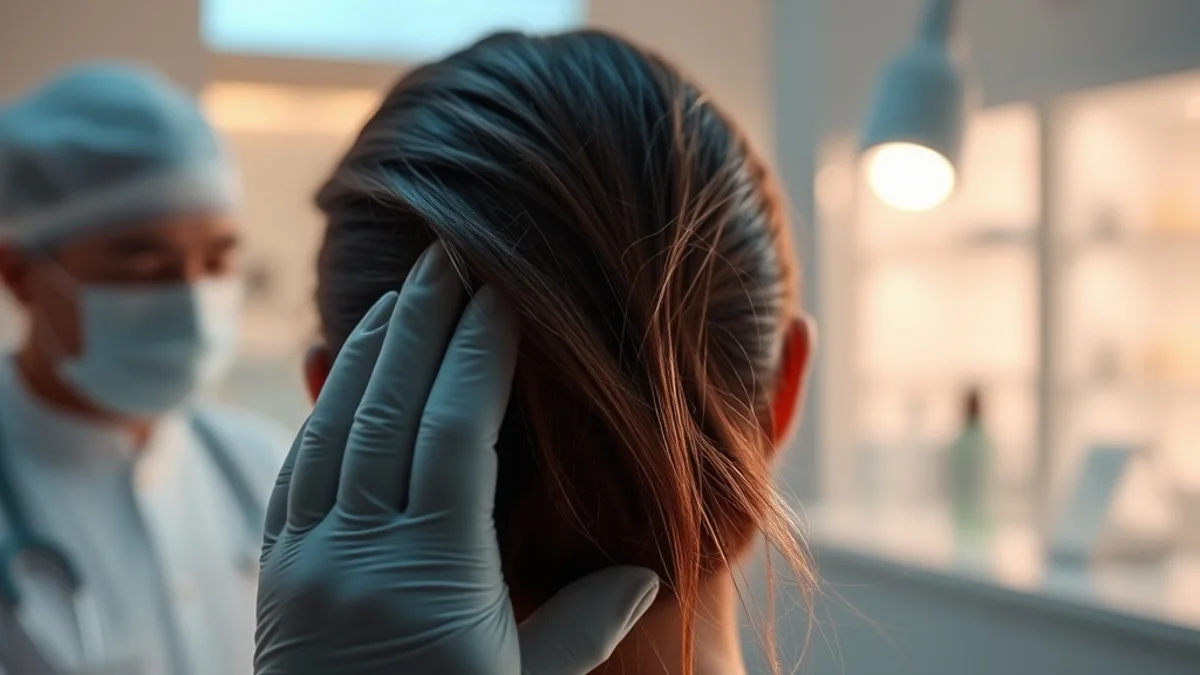
The rise of certain hairstyles among Gen Z, particularly tight ponytails and braids, has raised concerns among dermatologists regarding their potential role in hair loss. This phenomenon, often referred to as traction alopecia, results from prolonged tension on hair follicles, leading to follicular miniaturization and subsequent hair thinning. Understanding the biological mechanisms and clinical implications is crucial for effective management and prevention.
Follicular Miniaturization and Traction Alopecia
Traction alopecia is characterized by the gradual weakening and miniaturization of hair follicles due to sustained mechanical stress. This condition typically arises from hairstyles that exert continuous tension on the hair shafts, particularly at the hairline and crown. The underlying mechanism involves the activation of inflammatory pathways and the upregulation of androgen receptors, which can exacerbate follicular miniaturization. In patients predisposed to androgenetic alopecia, the effects of traction can be particularly pronounced, leading to accelerated hair loss.
Research indicates that the tension applied to the hair follicles can disrupt the hair growth cycle, pushing more follicles into the telogen phase prematurely. This disruption can lead to an observable thinning of hair, particularly in young women who frequently style their hair in tight configurations. The inflammatory response triggered by this tension can also contribute to scarring, further complicating hair regrowth efforts.
Clinical Observations and Risk Factors
Clinical observations have shown a notable increase in traction alopecia cases among younger populations, particularly those engaging in popular hairstyles that promote tension. Factors such as hair texture, scalp health, and genetic predisposition play significant roles in determining an individual’s susceptibility to this condition. For instance, individuals with naturally curly or coily hair may experience heightened risk due to the inherent fragility of their hair structure when subjected to tight styling.
Moreover, the psychological and social factors influencing hairstyle choices among Gen Z cannot be overlooked. The desire for aesthetic appeal often outweighs the potential risks associated with certain hairstyles. Dermatologists emphasize the importance of education regarding safe styling practices and the potential long-term consequences of neglecting hair health.
Preventative Strategies and Hair Care Recommendations
Preventing traction alopecia requires a multifaceted approach that emphasizes both education and practical hair care strategies. Dermatologists recommend avoiding hairstyles that place excessive tension on the hair follicles, such as tight ponytails, braids, or buns. Instead, opting for looser styles or using hair accessories that minimize stress on the hair can significantly reduce the risk of developing traction alopecia.
In addition to modifying styling habits, incorporating a robust hair care regimen is essential. This includes gentle cleansing with sulfate-free shampoos, regular conditioning treatments, and the use of scalp health products that promote circulation and follicular nourishment. Topical treatments containing ingredients like minoxidil may also be beneficial in stimulating hair regrowth and counteracting miniaturization in affected areas.
Clinical Trial Outcomes and Regrowth Timelines
Recent clinical trials have explored the efficacy of various treatment modalities for traction alopecia, with promising results. Studies indicate that early intervention with topical minoxidil can yield significant improvements in hair density and regrowth timelines, particularly when combined with lifestyle modifications. Patients typically begin to notice improvements within 12 to 16 weeks of consistent application, although individual responses may vary based on the severity of the condition and adherence to treatment protocols.
Furthermore, the integration of oral agents, such as finasteride, has shown potential in cases where androgenetic alopecia coexists with traction alopecia. This dual approach can address both the mechanical and hormonal factors contributing to hair loss, providing a comprehensive treatment strategy for affected individuals.
Long-Term Maintenance and Shedding Expectations
Understanding the long-term implications of traction alopecia is vital for patients undergoing treatment. While many individuals experience successful regrowth, it is essential to manage expectations regarding shedding and hair density. Patients may initially notice increased shedding as the hair follicles transition through the growth cycle, which can be disconcerting. However, this phase is often temporary, and with continued adherence to treatment protocols, many patients can achieve satisfactory regrowth over time.
Long-term maintenance of hair health involves ongoing education about safe styling practices and regular follow-ups with dermatology professionals. Monitoring scalp health and adjusting treatment plans as necessary can help sustain hair density and prevent future episodes of traction alopecia.
For more evidence-based protocols on androgenetic alopecia, minoxidil strategies, and clinical hair restoration, explore our Hair Loss & Regrowth section below.