
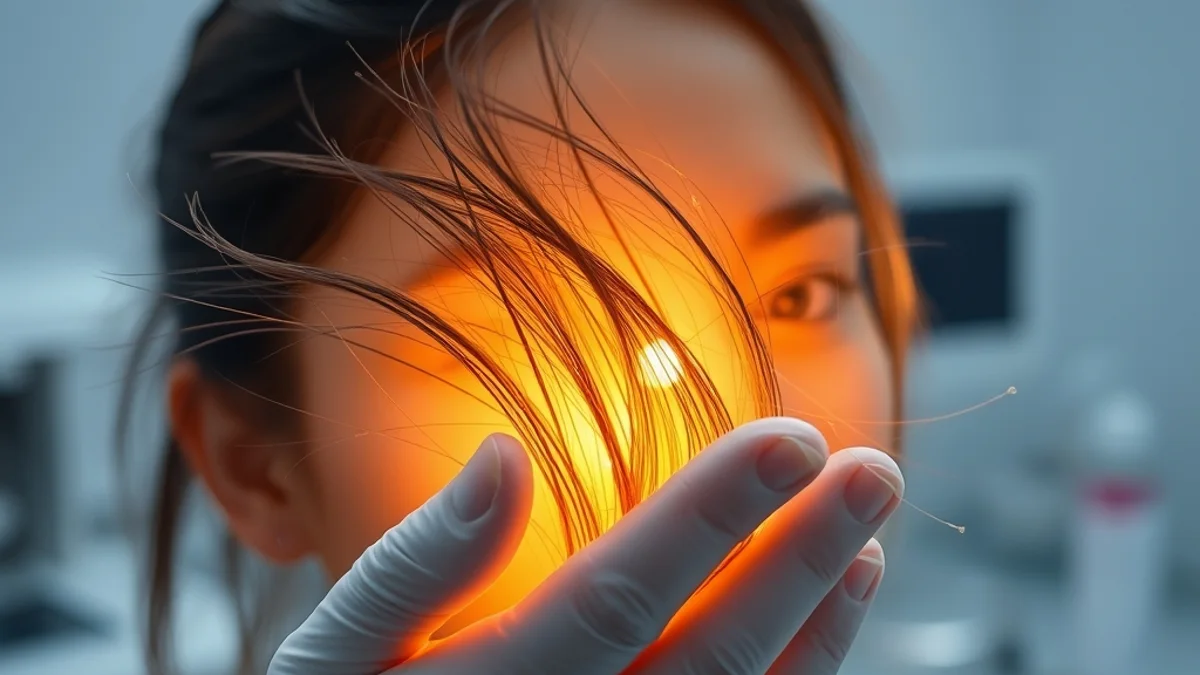
The Korean scalp facial is a holistic approach to scalp health that combines cleansing, exfoliation, and nourishment to promote optimal follicular function. This treatment targets the scalp’s microbiome and aims to improve blood circulation, thereby enhancing hair growth and overall scalp condition. It is particularly beneficial for individuals experiencing dandruff, oily scalp, or hair thinning.
Clinical Context, Follicular Biology, Scientific Background, and Dermatological Evidence
The Korean scalp facial is rooted in traditional Korean beauty practices, emphasizing the importance of scalp health as a foundation for healthy hair. The scalp is a complex ecosystem, hosting a diverse array of microorganisms that contribute to its health and function. The balance of this microbiome is crucial; disruptions can lead to conditions such as seborrheic dermatitis, dandruff, and hair loss. Understanding the biological mechanisms at play, including sebum production, follicular health, and the role of inflammation, is essential for effective scalp care.
At the follicular level, the scalp is home to hair follicles that are deeply embedded in the dermis. These follicles are surrounded by sebaceous glands that produce sebum, which helps to moisturize and protect the hair and scalp. However, excessive sebum production can lead to clogged follicles, contributing to conditions like folliculitis and hair thinning. The Korean scalp facial addresses these issues by incorporating exfoliation techniques to remove dead skin cells and excess sebum, thereby promoting a healthier environment for hair growth.
Recent studies have highlighted the efficacy of various ingredients commonly used in scalp facials, such as tea tree oil, salicylic acid, and botanical extracts. These ingredients possess antimicrobial and anti-inflammatory properties, which can help restore balance to the scalp microbiome and reduce symptoms associated with scalp conditions. A systematic review of the literature indicates that regular scalp care, including facials, can significantly improve scalp health and hair density over time.
| Component | Function | Clinical Evidence |
|---|---|---|
| Exfoliation | Removes dead skin cells and excess oil | Improves scalp health and reduces dandruff |
| Hydration | Moisturizes the scalp | Supports follicular function and hair growth |
| Antimicrobial Agents | Reduces microbial imbalance | Decreases inflammation and irritation |
Clinical Efficacy, Patient Implications, Trade-offs, and Active Ingredient Interactions
The clinical efficacy of the Korean scalp facial is supported by its multifaceted approach to scalp health. By combining cleansing, exfoliation, and targeted treatments, this facial can address a variety of scalp conditions. For patients experiencing dandruff, the use of exfoliating agents like salicylic acid can help to reduce flaking and irritation. In contrast, those with oily scalps may benefit from ingredients that regulate sebum production, such as witch hazel or tea tree oil.
However, it is essential to consider potential trade-offs when implementing a scalp facial regimen. Over-exfoliation can lead to irritation and sensitization of the scalp, which may exacerbate existing conditions. Therefore, it is crucial to tailor the frequency and intensity of treatments to individual needs. Patients should also be aware of interactions between active ingredients; for instance, combining multiple exfoliating agents can lead to increased sensitivity.
Furthermore, integrating the Korean scalp facial with other treatments, such as minoxidil or ketoconazole, can enhance overall efficacy. Minoxidil, an FDA-approved topical treatment for hair loss, works by increasing blood flow to the follicles, while ketoconazole, an antifungal agent, helps to control dandruff and seborrheic dermatitis. By understanding these interactions, patients can optimize their scalp care routine for improved outcomes.
Step-by-Step Trichological Action Plan, Application Best Practices, Frequency Protocols, or Proactive Maintenance Guidelines
To perform a Korean scalp facial at home, follow this detailed step-by-step action plan. Begin by selecting high-quality products specifically designed for scalp care, including a gentle exfoliating scrub, a hydrating mask, and a soothing serum. Start the process by thoroughly wetting your hair and scalp to prepare for cleansing.
1. **Cleansing:** Use a sulfate-free shampoo to cleanse the scalp, focusing on the roots. Gently massage the scalp with your fingertips to stimulate blood circulation and remove surface impurities. Rinse thoroughly with lukewarm water.
2. **Exfoliation:** Apply a scalp scrub containing exfoliating agents like salicylic acid or sugar. Massage the scrub into the scalp using circular motions for about 5-10 minutes. This step helps to remove dead skin cells and excess oil. Rinse well to ensure no residue remains.
3. **Hydration:** After exfoliation, apply a hydrating scalp mask. Look for products containing nourishing ingredients such as aloe vera or hyaluronic acid. Leave the mask on for the recommended time, usually around 10-15 minutes, to allow for deep penetration and moisture retention.
4. **Soothing:** Finish with a soothing serum or oil, particularly those that contain tea tree oil or chamomile, to calm any irritation and restore balance to the scalp. This should be applied sparingly to avoid weighing down the hair.
For optimal results, perform this scalp facial once a week. Regular maintenance is key to sustaining scalp health, so consider integrating scalp massages and targeted treatments into your routine to further enhance follicular function.
Frequently Asked Questions
What are the main benefits of a Korean scalp facial?
A Korean scalp facial offers numerous benefits, including improved scalp health, reduced dandruff, enhanced blood circulation, and increased hair growth. By addressing the scalp’s microbiome and removing excess oil and dead skin, this treatment promotes a healthier environment for hair follicles.
Can I perform a Korean scalp facial if I have a sensitive scalp?
Yes, individuals with sensitive scalps can perform a Korean scalp facial, but it is essential to choose gentle, hypoallergenic products. Avoid harsh exfoliants and opt for soothing ingredients to minimize the risk of irritation. Always conduct a patch test before applying new products to your scalp.
How often should I do a Korean scalp facial at home?
It is recommended to perform a Korean scalp facial once a week for optimal results. However, individuals with specific scalp conditions may need to adjust the frequency based on their unique needs and responses to treatment.
To discover advanced scalp microbiome therapies, anti-dandruff solutions, and follicular care guides, continue browsing our Scalp Care & Health section below.